House Front Doors: A Complete Guide to Materials, Benefits, and Smart Buying Decisions
Front doors play a crucial role in both the function and appearance of a home. They are not only the main point of entry but also a major factor in security, comfort, energy efficiency, and first impressions. A front door is often the first feature visitors notice, and it also serves as the primary barrier protecting the household from weather and unwanted access.
Modern house front doors are no longer simple wooden panels with basic locks. Today’s designs combine advanced materials, insulation systems, and reinforced structures to meet the demands of modern living. Homeowners expect durability, safety, visual appeal, and long-term performance from a single product. This guide explains house front doors in detail, covering their purpose, materials, technology, benefits, real-world product types, use cases, and buying considerations.
The Role of House Front Doors in Residential Homes
The Main Purpose of a Front Door in a House
House front doors are designed specifically for exterior use, meaning they must handle constant exposure to outdoor conditions. Rain, sunlight, wind, dust, and temperature changes all affect the performance of a door over time. Because of this, front doors are built with stronger materials and tighter construction than interior doors.
Beyond physical protection, the front door serves as a boundary between private and public space. It provides a sense of safety and control while allowing controlled access into the home. A well-built door supports daily comfort by helping maintain stable indoor temperatures and blocking outside noise.
Why Front Doors Are a Long-Term Investment
A front door is not a decorative feature alone. Its quality affects energy costs, safety, and maintenance expenses over many years. An old or poorly built door can cause drafts, allow moisture inside, and create weak points for security.
Upgrading to a modern house front door often results in immediate improvements. Homeowners notice reduced energy loss, quieter interiors, and a more secure entry. Over time, these benefits contribute to lower utility bills and increased property value.
Common Materials Used in House Front Doors
Solid Wood Front Doors
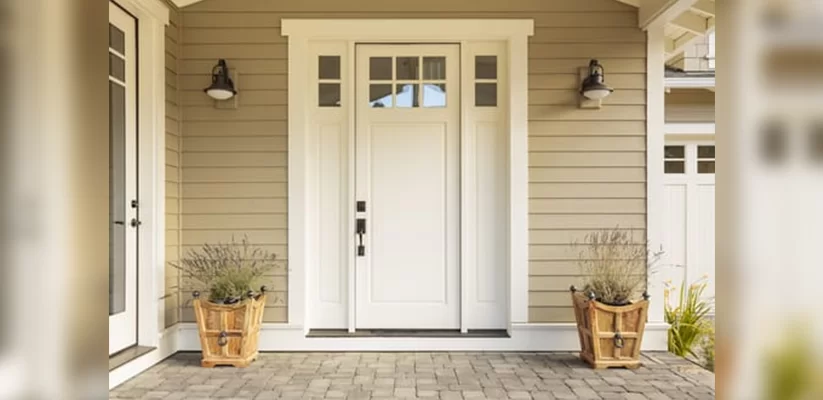
Solid wood front doors are known for their natural appearance and traditional charm. They are often made from hardwoods such as oak, mahogany, or teak, which provide strength and natural insulation. Wood doors are popular in classic and upscale home designs.
While wood offers warmth and beauty, it requires regular care. Exposure to moisture and sunlight can cause expansion, cracking, or fading if not properly sealed. With routine maintenance, solid wood doors can last for decades and remain visually impressive.
Fiberglass Front Doors
Fiberglass has become one of the most popular materials for modern front doors. These doors are designed to look like real wood while offering greater resistance to weather-related damage. Fiberglass does not absorb moisture, making it ideal for humid or extreme climates.
Most fiberglass doors include insulated cores that improve energy efficiency. They are lightweight, durable, and require very little maintenance, making them a practical choice for busy homeowners.
Steel Front Doors
Steel front doors focus on strength and security. They are constructed with steel panels and reinforced cores that resist forced entry and impact damage. Many steel doors also include insulation to support thermal performance.
Steel doors are durable and cost-effective, but they can dent if struck with heavy force. Modern finishes help protect against corrosion and improve appearance, making steel a reliable option for safety-focused households.
Technology Used in Modern House Front Doors
Insulation and Temperature Control Technology
Modern house front doors use advanced insulation materials to reduce heat transfer. Insulated cores help keep warm air inside during colder months and prevent heat from entering during hot weather.
Weather seals around the door frame play an important role in energy efficiency. These seals close gaps that could allow air leaks, moisture, or dust to enter. Together, insulation and sealing systems improve comfort and reduce energy waste.
Security and Structural Reinforcement
Security technology is a major focus in today’s front door designs. Reinforced frames, strengthened lock areas, and impact-resistant materials make doors harder to break or force open.
Many modern doors support multi-point locking systems that secure the door at several points along the frame. This increases stability and reduces stress on individual locks, improving long-term performance and safety.
Benefits of Installing High-Quality House Front Doors
Increased Safety and Peace of Mind
A strong front door is the first line of defense for a home. Reinforced materials and secure locking systems reduce the risk of unauthorized entry.
Homeowners gain peace of mind knowing that their entrance is well-protected, especially during nighttime or when the house is unoccupied.
Better Indoor Comfort and Energy Savings
Insulated front doors help maintain consistent indoor temperatures. This reduces the need for constant heating or cooling, which lowers energy consumption.
Over time, homeowners often see noticeable savings on utility bills while enjoying a more comfortable living environment.
Noise Reduction and Improved Living Quality
House front doors also help block outside noise from traffic, neighbors, or weather. This creates a quieter indoor space, especially in urban or busy residential areas.
A well-sealed door prevents drafts and sudden temperature changes, making the home feel more stable and comfortable throughout the year.
Enhanced Appearance and Property Value
The front door is a central visual feature of a home’s exterior. A modern, well-designed door improves curb appeal and creates a welcoming atmosphere.
This visual upgrade can increase property value and make the home more attractive to potential buyers if it is ever placed on the market.
Real-World House Front Door Product Types
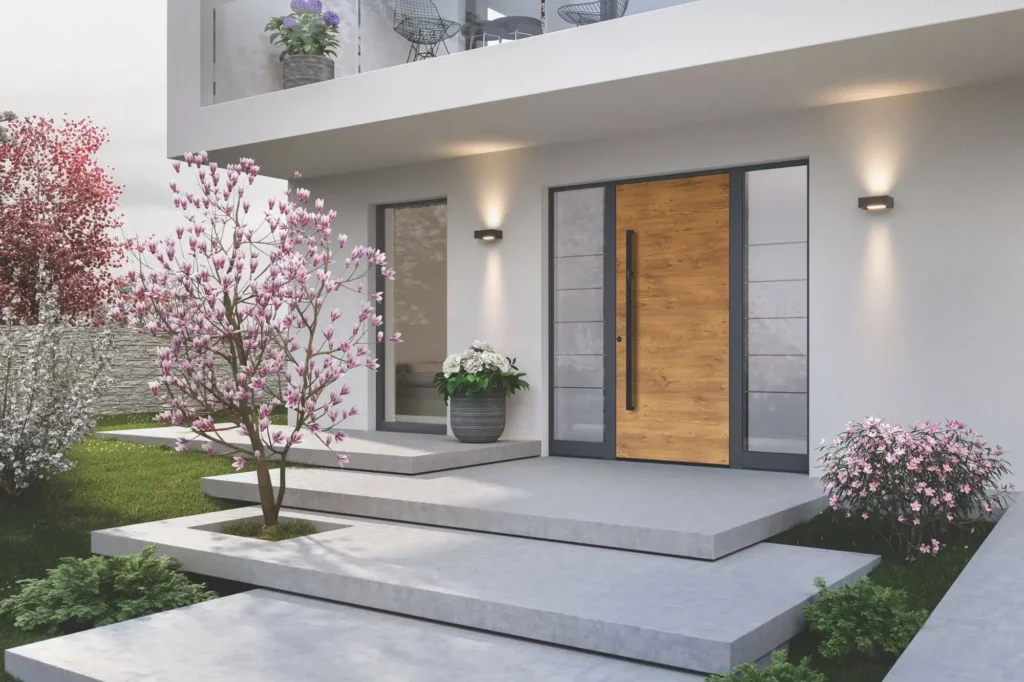
Fiberglass Wood-Style Front Door
This type of front door is made from fiberglass, designed to resemble real wood grain. It offers the appearance of traditional wood without the maintenance challenges.
The insulated core improves energy efficiency, while the outer surface resists moisture, cracking, and fading. It is suitable for homes in various climates.
Reinforced Steel Security Front Door
Steel front doors are built for maximum protection. Reinforced panels and strong lock areas help prevent forced entry.
These doors often include insulation to improve thermal performance. They are ideal for homeowners who prioritize safety and durability.
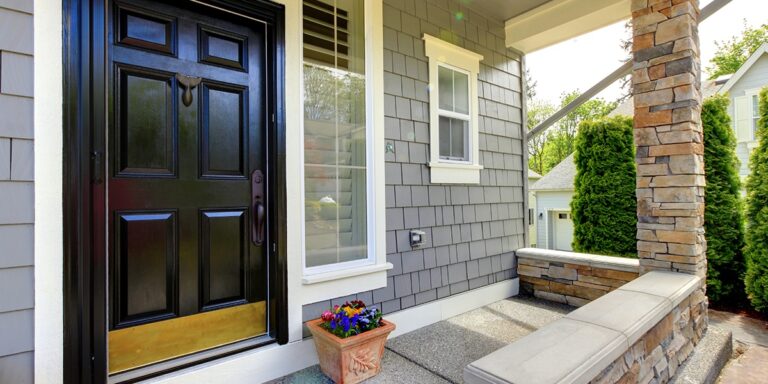
Handcrafted Solid Wood Front Door
This front door is made from solid hardwood and features detailed craftsmanship. It provides a rich, natural appearance that enhances traditional and luxury homes.
With proper sealing and maintenance, solid wood doors offer long-lasting beauty and reliable insulation.
Composite Material Front Door
Composite front doors combine different materials to balance strength, insulation, and design flexibility. They are engineered to perform well in changing weather conditions.
These doors are ideal for homeowners seeking modern performance with a clean, versatile appearance.
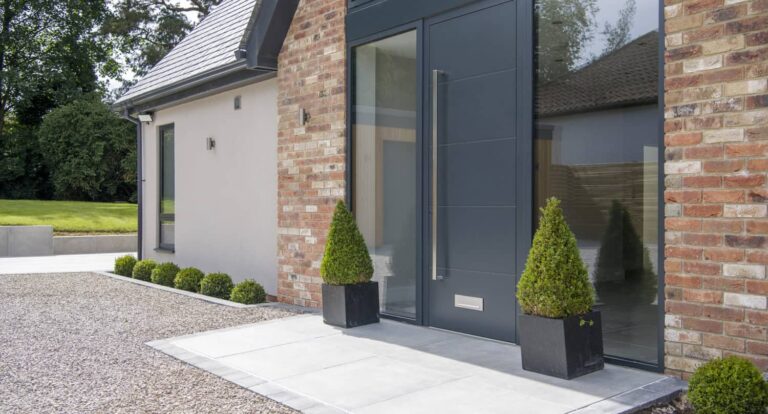
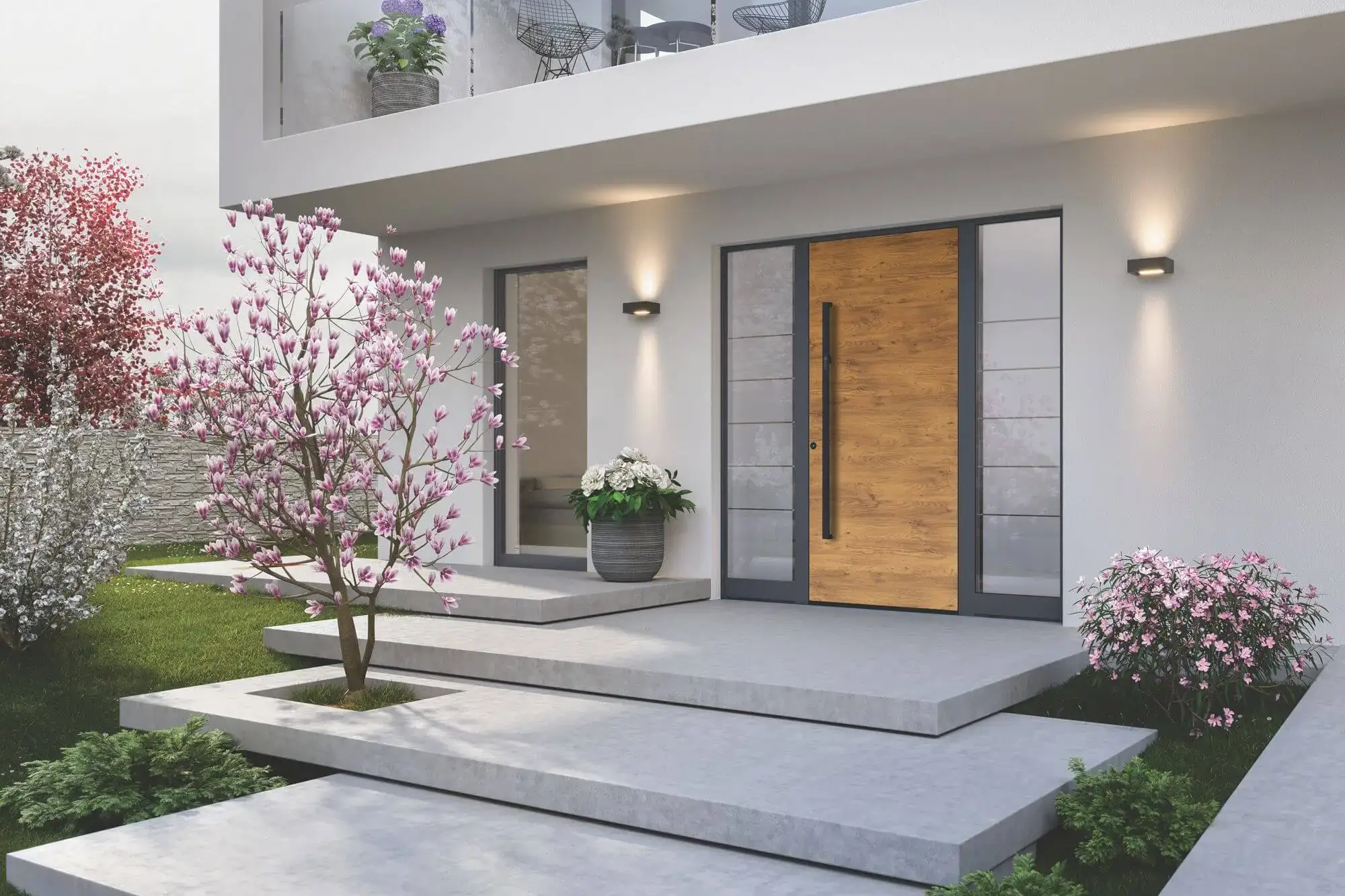
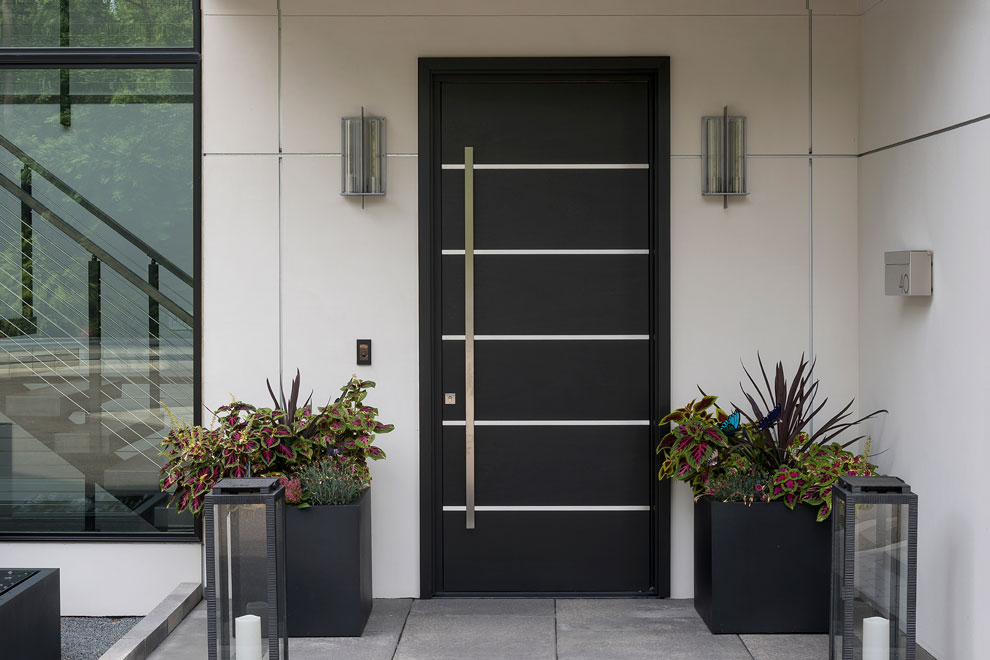
Contemporary Minimalist Front Door
Minimalist front doors focus on clean lines, simple finishes, and modern materials. They are designed to complement contemporary architecture.
Despite their simple appearance, they include advanced insulation and security features for everyday comfort and protection.
Practical Use Cases for House Front Doors
Replacing Old or Inefficient Doors
Many homes still have older front doors that allow air leaks and heat loss. Replacing these doors with modern, insulated options improves comfort immediately.
This upgrade reduces drafts, stabilizes indoor temperatures, and lowers energy costs without major construction work.
Improving Home Security
Worn or damaged doors create security risks. Installing a reinforced front door helps protect against break-ins and unauthorized access.
This is especially important for families, urban homes, or properties in high-traffic areas.
Refreshing the Home Exterior
A new front door can completely change how a home looks from the outside. It is one of the simplest ways to modernize the exterior without expensive renovations.
Homeowners often choose this upgrade to improve curb appeal before selling or renting a property.
How to Choose the Right House Front Door
Important Factors to Consider
When selecting a front door, homeowners should consider material type, insulation performance, security features, and maintenance needs. Climate conditions also play an important role in choosing the right material.
The design should match the home’s architectural style to create a balanced and attractive exterior.
The Importance of Proper Installation
Even the best door will not perform well if it is poorly installed. Incorrect fitting can lead to air leaks, alignment issues, and reduced security.
Professional installation ensures proper sealing, smooth operation, and long-term durability.
How and Where to Buy House Front Doors
Front doors are available through home improvement stores, door specialists, and professional contractors. Buyers should look for clear product specifications, warranty coverage, and installation support.
Choosing a reputable supplier helps ensure product quality and long-term satisfaction.
Why House Front Doors Are a Smart Home Upgrade
Front doors offer multiple benefits in one improvement. They enhance safety, reduce energy costs, improve comfort, and increase property value.
Compared to many other home upgrades, replacing the front door provides strong long-term returns with minimal disruption.
Frequently Asked Questions
How long do house front doors usually last?
Most high-quality front doors last between 20 and 30 years, depending on material, climate exposure, and maintenance.
Are modern front doors energy efficient?
Yes. Modern designs include insulated cores and advanced sealing systems that significantly reduce heat loss and drafts.
Which material is best for house front doors?
Fiberglass offers durability and low maintenance, steel provides strong security, and wood delivers classic beauty. The best choice depends on the homeowner’s priorities and climate conditions.