External Doors for Residential Homes: Materials, Technology, Benefits, and Buying Guide
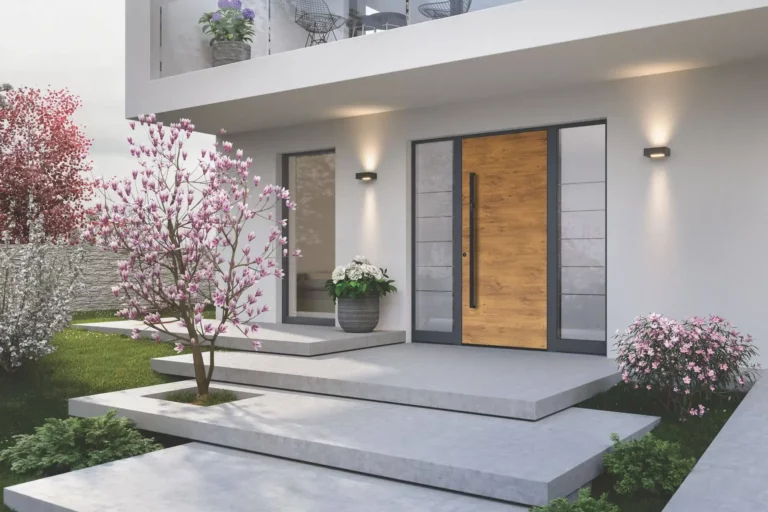
External doors are a fundamental part of any residential property. They provide protection, define the boundary between indoor and outdoor spaces, and strongly influence the overall appearance of a home. More than just an entry point, an exterior door must perform multiple roles at once, including safety, insulation, durability, and design.
As building standards and homeowner expectations have increased, external doors have evolved significantly. Modern designs focus on energy efficiency, structural strength, and long-term reliability while offering a wide range of styles to suit different architectural needs. This article explains everything homeowners need to know about external doors, from materials and technology to real-world examples, benefits, and buying considerations.
The Purpose and Role of External Doors
What External Doors Are Designed to Do
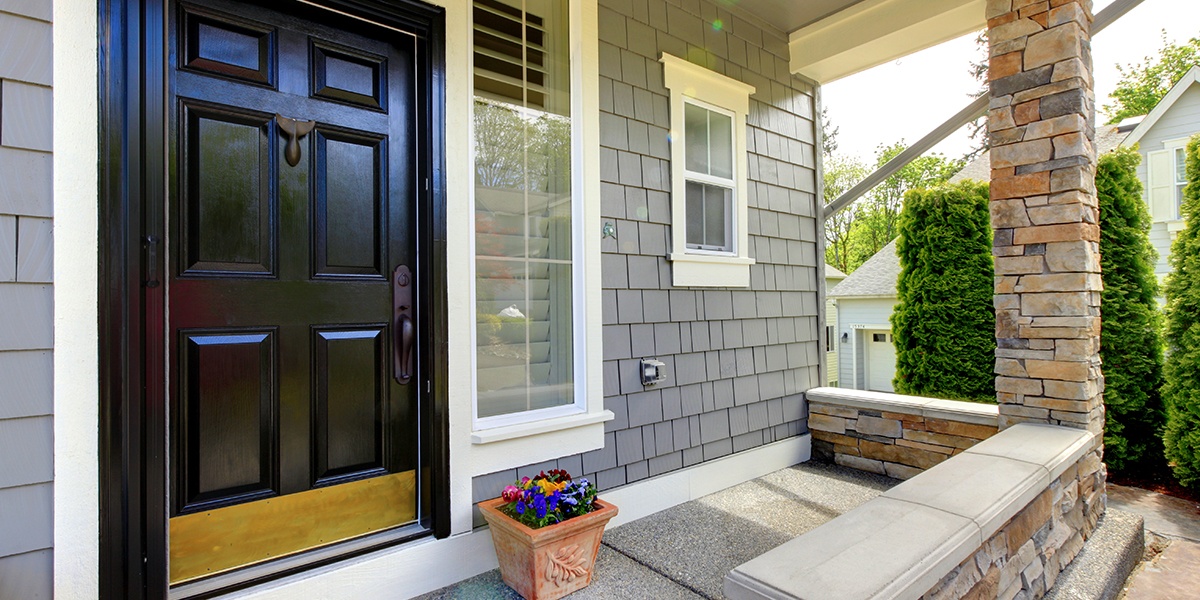
External doors are built specifically for use on the outside of a building. Unlike interior doors, they must withstand constant exposure to weather conditions such as rain, sunlight, wind, humidity, and temperature changes. Because of this, their construction requires stronger materials and protective finishes.
The main purpose of an external door is to create a secure and sealed barrier between the home and the outside environment. This barrier helps prevent water intrusion, reduces heat transfer, blocks noise, and protects against unauthorized access. A well-designed door supports daily comfort while ensuring safety and long-term performance.
Why External Doors Are Essential for Homes
The quality of an external door directly affects how a home performs. Poorly fitted or outdated doors often allow drafts, moisture, and noise to enter, leading to discomfort and higher energy costs. In addition, weak construction can create security risks.
Upgrading to a modern external door improves insulation, strengthens protection, and enhances visual appeal. For homeowners, this makes external doors one of the most impactful upgrades in terms of comfort, efficiency, and value.
Common Materials Used in External Doors
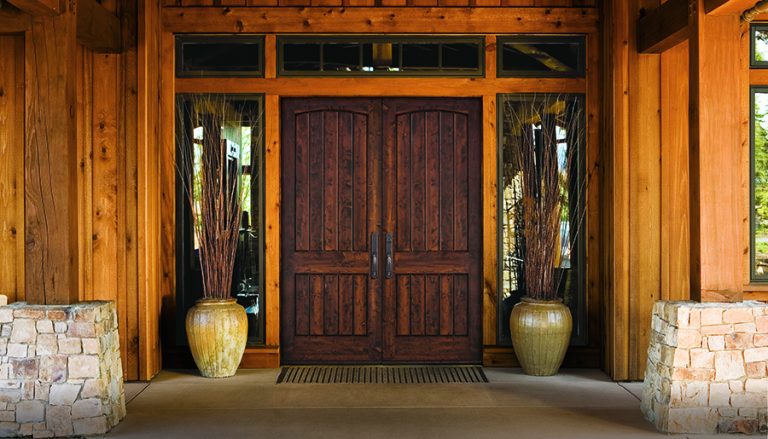
Solid Wood External Doors
Solid wood doors are valued for their natural appearance and traditional charm. They are typically made from hardwoods such as oak, mahogany, or teak, which provide strength and good insulation. Wood allows for detailed craftsmanship, including carved panels and rich finishes.
These doors are often chosen for classic or high-end homes where aesthetics are a priority. However, wood requires regular maintenance to protect against moisture, sunlight, and temperature-related expansion. With proper care, solid wood doors can last for many years while maintaining their beauty.
Fiberglass External Doors
Fiberglass doors are designed to combine visual appeal with durability. They are often molded to resemble real wood grain while offering better resistance to moisture and temperature changes. This makes them suitable for a wide range of climates.
Most fiberglass doors include insulated cores that improve thermal performance. Homeowners choose this material for its low maintenance requirements, long lifespan, and consistent appearance over time.
Steel External Doors
Steel doors are known for their strength and security. They are constructed with reinforced steel panels and strong frames that resist impact and forced entry. Many designs also include insulation layers to improve energy efficiency.
Steel doors are a practical choice for homeowners who prioritize safety and durability. Modern finishes allow them to fit both traditional and contemporary designs.
Composite External Doors
Composite doors use a combination of materials to create a stable and durable structure. They are engineered to resist warping, cracking, and weather damage.
This type of door is ideal for homeowners looking for consistent performance with minimal maintenance. Composite doors often balance strength, insulation, and modern design.
Technology Behind Modern External Doors
Insulation and Thermal Performance
Modern external doors use advanced insulation materials inside their core. These materials reduce heat transfer between indoor and outdoor environments, helping maintain stable indoor temperatures throughout the year.
Precision sealing systems around the frame prevent air leakage and moisture penetration. This technology significantly improves comfort and reduces energy loss, especially in extreme climates.
Structural Strength and Security Features
External doors are reinforced at critical points such as hinges, frames, and locking areas. This reinforcement increases resistance to forced entry and daily wear.
Many modern designs support multi-point locking systems that secure the door at multiple locations. This improves both security and structural stability, ensuring the door remains tightly sealed over time.
Benefits of Installing High-Quality External Doors
External doors serve as the primary security barrier for a home. Strong materials and reinforced construction make it more difficult for intruders to gain access.
A well-installed door with reliable locking systems provides peace of mind for homeowners and their families.
Improved Energy Efficiency
Insulated external doors help regulate indoor temperatures by reducing heat loss during colder months and heat gain during warmer seasons. This lowers the demand on heating and cooling systems.
Over time, improved efficiency can lead to noticeable reductions in energy bills while maintaining a comfortable living environment.
Better Comfort and Noise Control
External doors also play a role in noise reduction. Solid construction and proper sealing help block external sounds from traffic, weather, or nearby activity.
This creates a quieter and more comfortable indoor space, especially for homes in busy areas.
Increased Property Value and Visual Appeal
The main entrance is one of the most visible features of a home. A modern and well-designed external door improves curb appeal and creates a welcoming first impression.
This visual upgrade often increases property value and attracts potential buyers.
Real-World External Door Product Examples
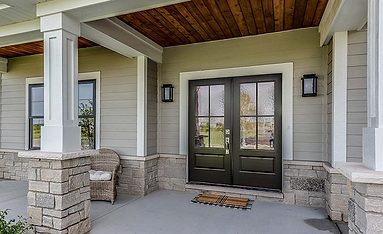
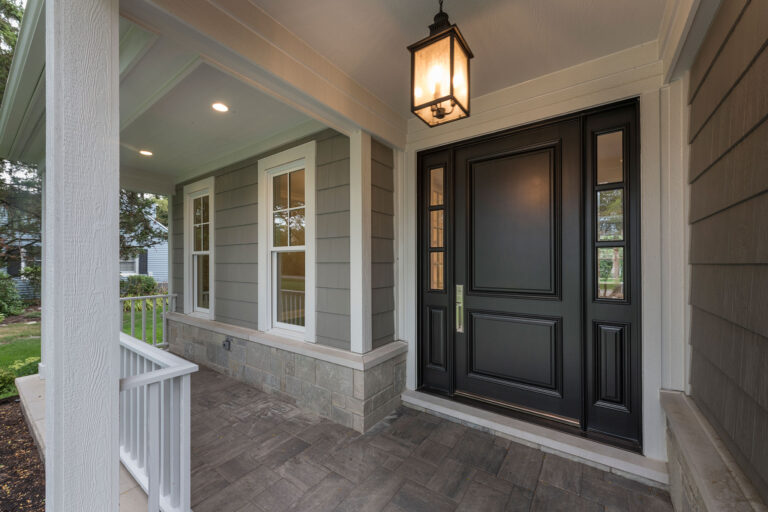
Solid Hardwood External Front Door
This type of external door is crafted from high-quality hardwood and designed for long-term durability. It offers natural insulation and a rich, traditional appearance.
Benefits:
Strong structure, classic design, excellent insulation when properly sealed.
Use Case:
Ideal for traditional homes and properties where appearance is a priority.
Fiberglass Wood-Style External Door
This door replicates the look of real wood while offering better resistance to moisture and temperature changes. It includes an insulated core for improved energy efficiency.
Benefits:
Low maintenance, stable performance, realistic wood texture.
Use Case:
Suitable for homes in humid or variable climates.
Reinforced Steel Security External Door
Designed for maximum protection, this steel door features reinforced panels and strong lock zones. Insulation layers improve comfort and efficiency.
Benefits:
High security, durability, consistent performance.
Use Case:
Best for homeowners prioritizing safety.
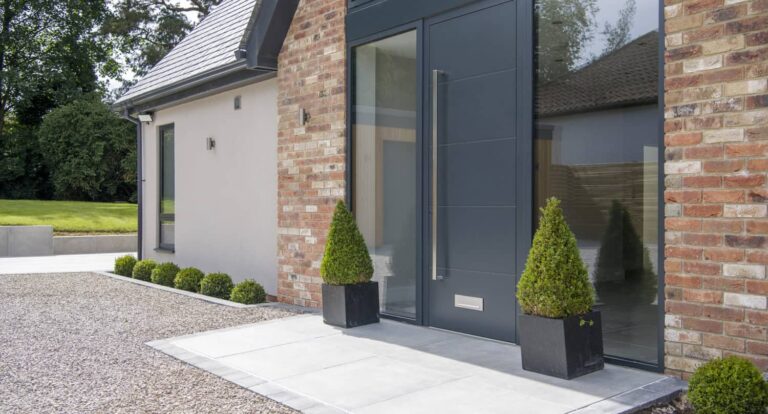
Contemporary Composite External Door
This door combines multiple materials to deliver strength and insulation with a modern appearance. It resists weather-related damage and requires minimal upkeep.
Benefits:
Long lifespan, low maintenance, modern style.
Use Case:
Ideal for contemporary homes and busy households.
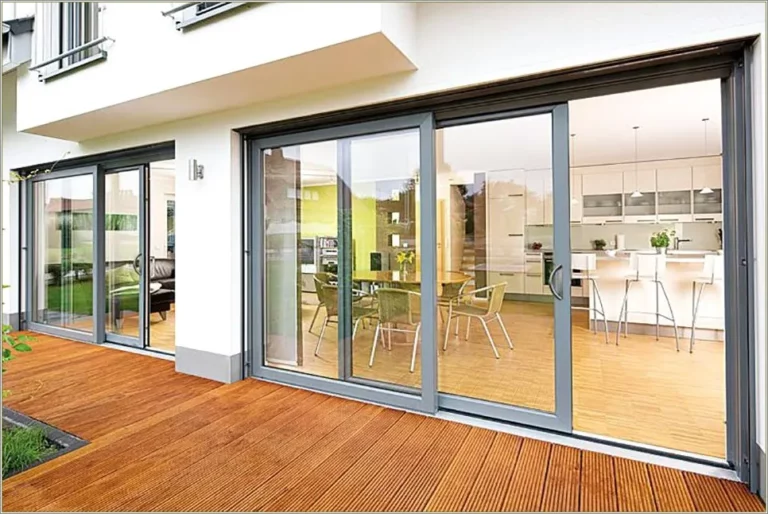
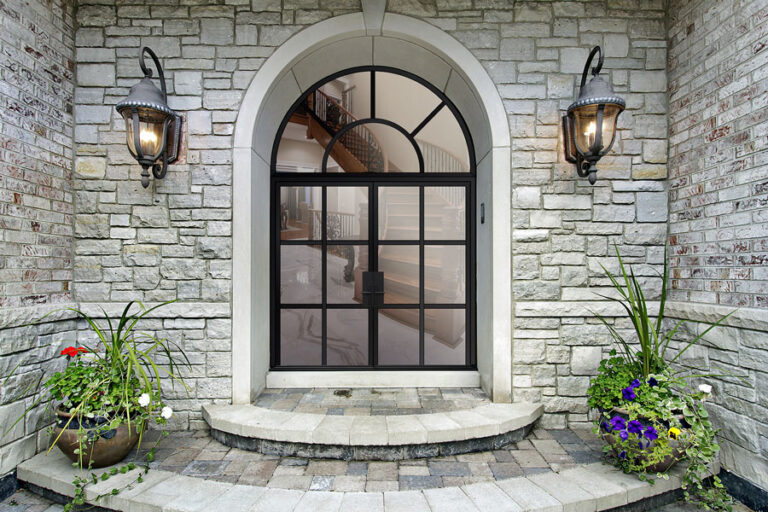
External Door with Insulated Glass Inserts
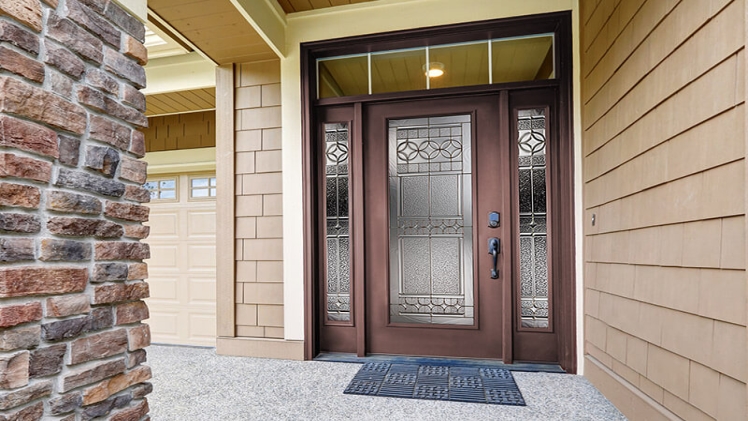
This design includes insulated glass panels that allow natural light while maintaining privacy and thermal performance.
Benefits:
Improved lighting, modern design, balanced insulation.
Use Case:
Perfect for entryways that need more daylight.
Practical Use Cases for External Doors
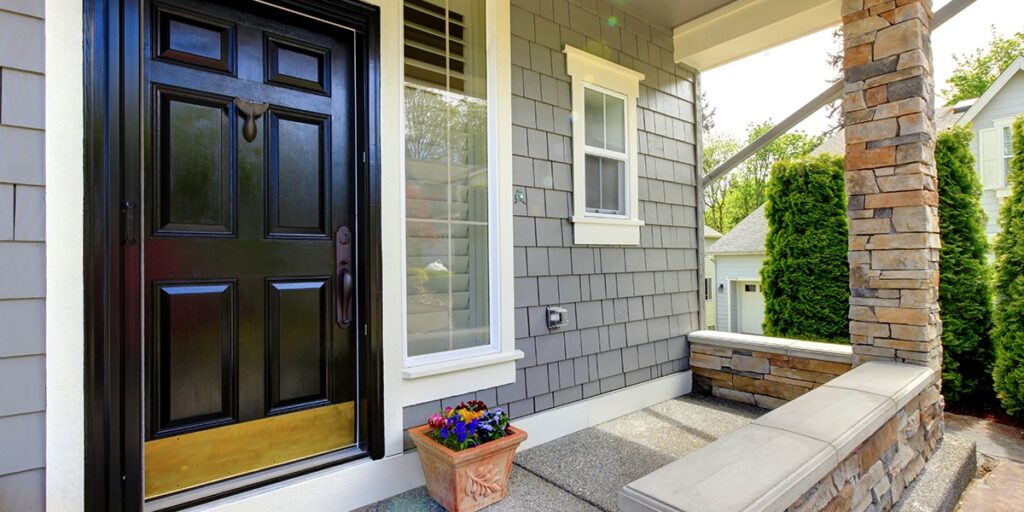
Reducing Drafts and Energy Loss
Older doors often develop gaps that allow air to escape. Modern external doors eliminate these issues with precise fitting and insulation.
This results in better comfort and reduced energy waste throughout the year.
Strengthening Home Security
Replacing weak or damaged doors significantly improves protection. Reinforced construction and modern locking systems reduce security risks.
This is especially important for families and urban properties.
Refreshing Home Exterior Design
Upgrading an external door is a simple way to modernize a home’s appearance. A new door can dramatically improve curb appeal without major renovations.
How to Choose the Right External Door
Key Considerations Before Buying
Homeowners should consider material durability, insulation performance, security features, climate conditions, and maintenance needs.
Design compatibility with the home’s architecture ensures a cohesive and attractive appearance.
Importance of Proper Installation
Even the highest-quality door requires correct installation. Accurate fitting ensures airtight sealing, smooth operation, and long-term durability.
Professional installation helps maximize performance and lifespan.
How to Buy External Doors
External doors are available through home improvement retailers, specialized manufacturers, and professional contractors. Buyers should compare materials, insulation ratings, and warranty coverage.
Planning is important, as premium doors may require longer production or delivery times.
Frequently Asked Questions
How long do external doors usually last?
High-quality external doors typically last between 20 and 30 years, depending on material, climate, and maintenance.
Are modern external doors suitable for extreme climates?
Yes. Modern designs are engineered to perform well in hot, cold, and humid conditions.
Which material is best for external doors?
Fiberglass offers durability and low maintenance, steel provides strong security, and wood delivers classic aesthetics. The best choice depends on the homeowner priorities.