Brick Facade Solutions for Modern Buildings: Benefits, Types, Use Cases, and Buying Guide
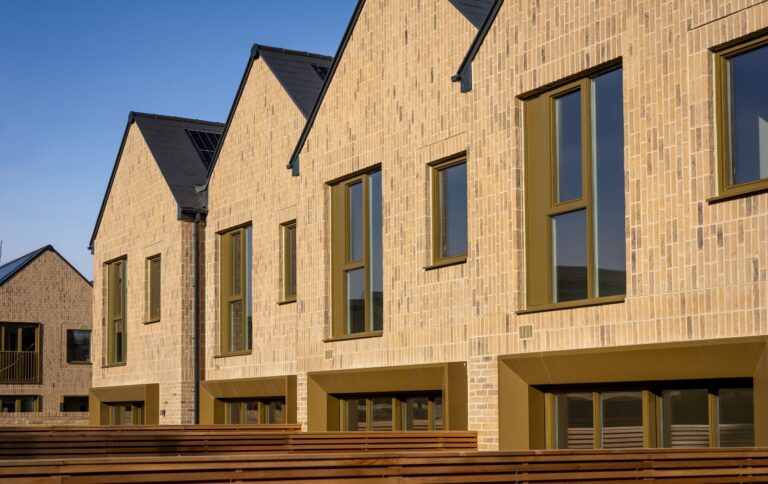
Brick facade systems are one of the most trusted exterior solutions in the construction industry. They combine classic beauty with strong performance, making them suitable for both traditional and modern buildings. From residential houses to office towers and commercial spaces, brick facades continue to be a popular choice for long-term exterior protection.
In today’s construction world, brick facades are no longer limited to heavy structural walls. Modern technology has transformed brick facades into lighter, smarter, and more efficient systems that offer excellent durability, insulation support, and visual appeal.
Understanding Brick Facade Systems
Definition and Core Function of a Brick Facade
A brick facade is the outer layer of a building that uses brick or brick-based materials as its visible surface. Unlike structural brick walls, modern brick facades often function as a protective and decorative layer rather than supporting the building’s weight. This allows greater flexibility in design and construction.
The main role of a brick facade is to protect the building from weather, temperature changes, moisture, and external damage. At the same time, it enhances the architectural appearance of the structure, adding depth, texture, and character.
Why Brick Facades Remain a Popular Choice
Brick facades remain popular because they are reliable and visually appealing. Brick does not easily fade, peel, or deteriorate like many painted or synthetic surfaces. Over time, brick often becomes more attractive as it naturally ages.
Another reason for its popularity is versatility. Brick facades can be used in classic, industrial, minimalist, or modern architectural styles, making them suitable for a wide range of projects.
Types of Brick Facade Systems
Brick facade systems come in several forms, each designed to meet different architectural, structural, and budget requirements. Modern construction no longer relies on a single method; instead, builders and designers can choose from various systems that balance appearance, performance, and efficiency.
Traditional Solid Brick Facade
Traditional solid brick facades use full-size bricks laid with mortar to form a thick outer wall. This system has been used for centuries and is known for its strength, durability, and classic appearance.
This type of facade often serves both structural and aesthetic purposes, meaning it can help support the building’s weight while also acting as the exterior finish. Because of its thickness and mass, a solid brick facade offers excellent thermal stability and sound insulation. However, it requires strong foundations, skilled labor, and longer construction time compared to modern alternatives.
Brick Veneer Facade
A brick veneer facade uses full bricks as a non-structural outer layer attached to a structural wall made of concrete, steel, or timber. The bricks are tied to the main structure using metal anchors, leaving a cavity between the facade and the wall.
This cavity allows moisture to drain and improves ventilation, helping to prevent dampness and mold. Brick veneer facades provide the same visual appeal as traditional brickwork but with reduced structural load and improved moisture control, making them popular in residential and low-rise commercial buildings.
Brick Slip Facade System
These slips are made from genuine fired clay bricks, ensuring the appearance remains authentic.
Brick slips are much lighter than full bricks; they are ideal for renovation projects, high-rise buildings, and situations where structural load must be minimized. Installation is faster, and design flexibility is greater, allowing for modern patterns and finishes without sacrificing the traditional brick look.
Prefabricated Brick Panel System
Prefabricated brick panel systems consist of factory-made panels that already include brick slips attached to a reinforced backing. These panels are delivered to the site ready for installation.
This system offers high consistency, faster construction time, and reduced on-site labor. Prefabricated panels are widely used in large-scale residential developments, commercial buildings, and modular construction projects where speed and quality control are essential.
Ventilated Brick Facade System
Ventilated brick facades are designed with an intentional air gap between the brick layer and the building’s structural wall. This gap allows air to circulate, helping to regulate temperature and remove moisture.
These systems improve energy efficiency, reduce condensation risk, and enhance indoor comfort. Ventilated brick facades are commonly used in modern architecture, particularly in climates with high humidity or extreme temperature variations.
Strength and Long-Term Durability
Brick facades are highly resistant to weather conditions such as rain, wind, heat, and cold. Brick does not rot, warp, or easily crack, making it ideal for long-term use.
This durability means buildings with brick facades often require fewer repairs and maintain their appearance for decades, reducing overall maintenance costs.
Visual Appeal and Timeless Design
A brick facade adds texture, depth, and richness to a building’s exterior. It creates a strong first impression and enhances the architectural identity of the structure.
Brick is available in many colors, finishes, and layouts, allowing designers to create unique looks while maintaining a timeless aesthetic.
Technology Used in Modern Brick Facade Systems
Ventilated and Rainscreen Brick Facades
Modern brick facade systems often use ventilated designs. These systems create an air gap between the brick layer and the building wall.
Thisairspacee allows moisture to escape and helps regulate temperature. It improves building performance by reducing condensation, preventing mold growth, and enhancing insulation efficiency.
Fire Resistance and Environmental Performance
Brick is naturally fire-resistant, making brick facades a safe choice for many building types. Modern systems are tested to meet strict fire safety standards.
Brick facades also support energy efficiency when combined with insulation. They help stabilize indoor temperatures and reduce energy consumption for heating and cooling.
Real-World Brick Facade Product Examples
Wienerberger Brick Facade Systems
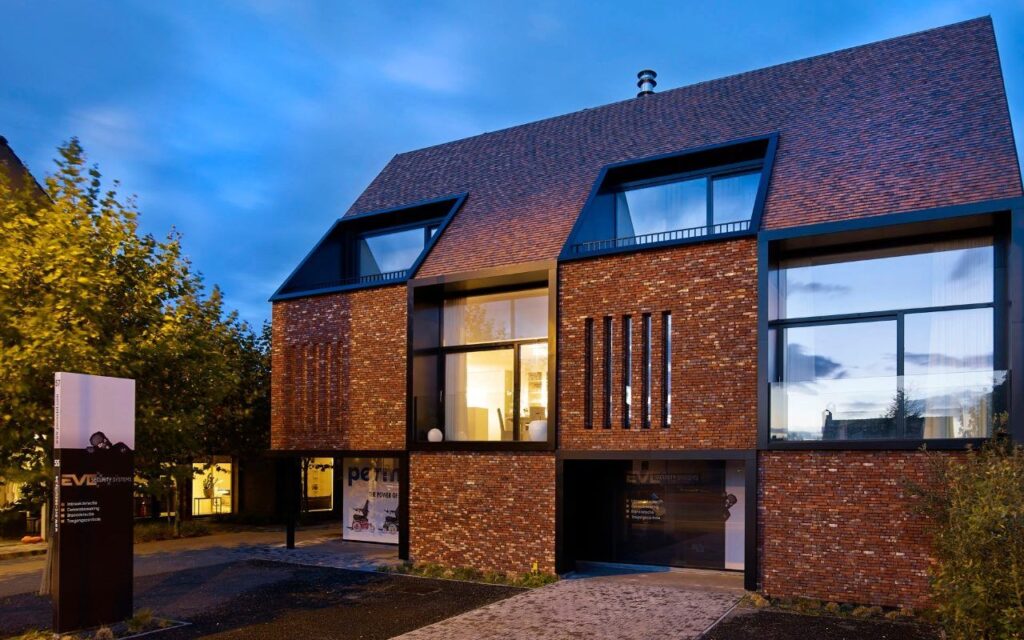
Wienerberger brick facade systems use real clay bricks and brick slips designed for modern construction. These systems are known for consistent color, durability, and strong resistance to weather conditions.
They are widely used in housing developments, commercial buildings, and public architecture where long-term performance is essential.
Ibstock Brick Facade Solutions
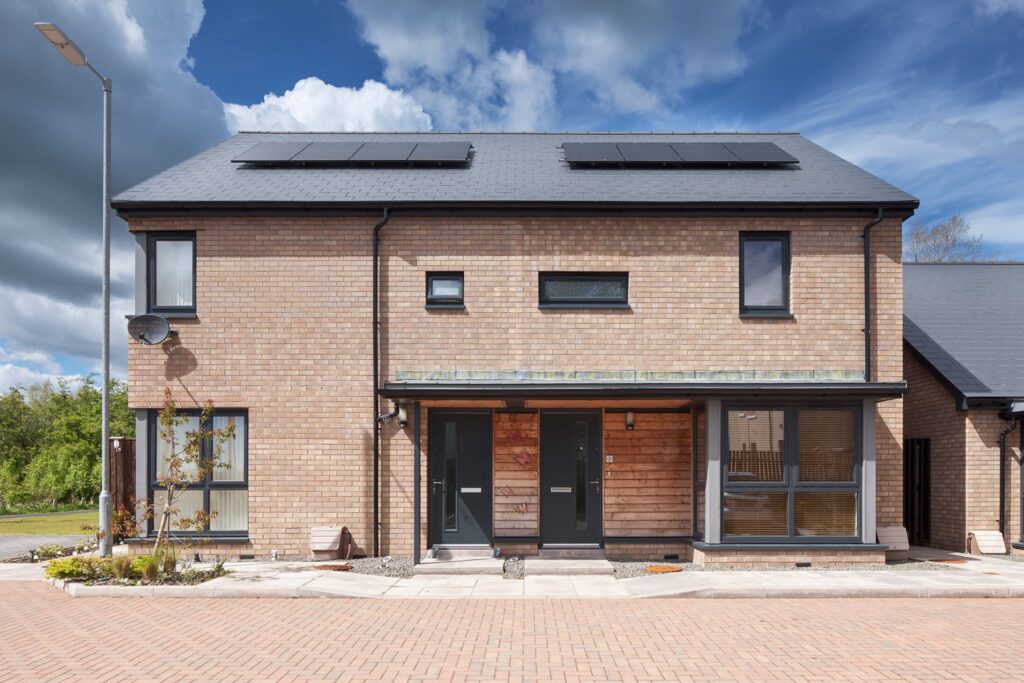
Ibstock brick facade solutions include brick slips and modular systems designed for fast installation. Their products provide the traditional look of brick while meeting modern building requirements.
These systems are often chosen for renovation projects where reducing weight and installation time is important.
Cretec Prefabricated Brick Facade Panels
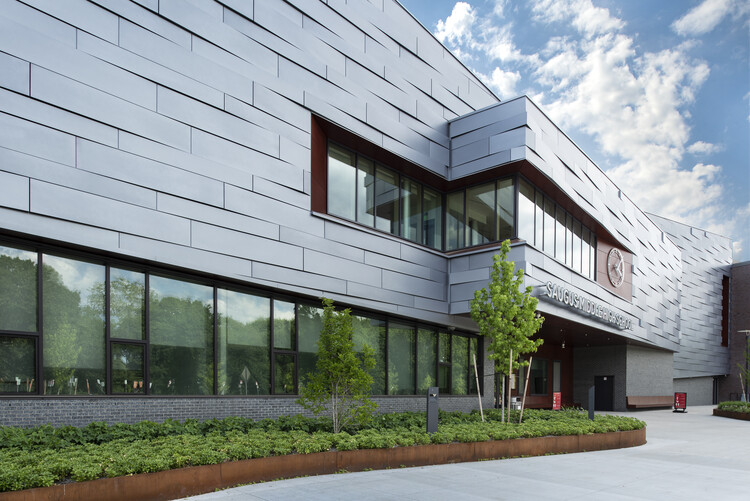
Cretec brick facade panels are factory-assembled units that ensure consistent quality. They use real brick faces bonded to reinforced backing materials.
These panels are commonly used in large commercial and residential projects where speed and precision are critical.
Eazyclad Lightweight Brick Facade Panels
Eazyclad panels are lightweight brick facade solutions created from molded real bricks. They are easy to install and suitable for both exterior and interior applications.
These panels are ideal for projects where structural load must be minimized while maintaining an authentic brick appearance.
Translate Brick-Style Facade Systems
Teraslate offers brick-style facade systems using advanced composite materials. These systems combine modern performance with traditional brick aesthetics.
They are often used in contemporary architecture where design flexibility and durability are required.
Problems Brick Facades Solve
Protecting Buildings from Environmental Damage
Buildings without proper exterior protection can suffer from moisture penetration, surface damage, and heat loss. Brick facades act as a protective shield that reduces exposure to harsh weather.
This protection helps preserve the structural integrity of the building and extends its lifespan.
Improvingthe Appearance of Old or Plain Buildings
Older buildings or plain concrete structures often lack visual appeal. Brick facades provide an effective way to upgrade appearance without major reconstruction.
Using brick slips or panels allows building owners to refresh the exterior while improving performance and value.
Benefits of Using High-Quality Brick Facade Products
Reliable Performance Over Time
High-quality brick facade products are designed and tested for long-term use. They resist fading, cracking, and environmental damage.
This reliability makes brick facades suitable for projects where long service life and minimal maintenance are priorities.
Reduced Maintenance and Long-Term Savings
Brick facades require very little maintenance compared to other exterior finishes. Occasional cleaning is usually enough to keep them looking good.
This reduces ongoing costs and makes brick facades a cost-effective choice over the life of the building.
How to Choose and Buy Brick Facade Systems
Selecting the Right Brick Facade for Your Project
Choosing the right brick facade system depends on building type, climate, budget, and design goals. Some systems are better suited for new construction, while others are ideal for renovations.
Consulting professionals such as architects or facade specialists can help ensure the selected system meets technical and aesthetic requirements.
Where Brick Facade Systems Are Commonly Purchased
1. Directly from Manufacturers
Systems are produced by specialized manufacturers who sell directly to builders, architects, and developers. Buying from a manufacturer often provides access to:
-
Full product range and custom options
-
Technical guidance on system selection
-
Warranty support and installation recommendations
2. Authorized Distributors and Dealers
Authorized distributors are third-party sellers approved by manufacturers to supply products in specific regions. Distributors offer key advantages such as:
-
Local stock availability
-
Faster delivery times
-
Support for smaller quantity orders
-
Guidance on regional code compliance
3. Building Materials Suppliers and Retailers
Large building material suppliers and specialty façade retailers often carry multiple brands and product types. These suppliers are a good option when:
-
You need different cladding materials or accessories
-
You want to compare multiple systems in one place
-
You prefer in-person consultation and product demonstrations
4. Construction and Façade Contractors
In many projects, especially commercial or large-scale builds, facade systems are procured through the contractor or subcontractor handling exterior work. These professionals have established supply channels and can:
-
Source systems at bulk or trade pricing
-
Ensure product compatibility with installation methods
-
Manage delivery and storage on-site
5. Online Building Marketplaces
There are online platforms dedicated to construction materials where you can browse brick facade systems from different brands. These marketplaces can help you:
-
Compare prices
-
Read reviews and specifications
-
Order delivery directly to the site
Frequently Asked Questions
How long can a brick facade last?
A properly installed brick facade can last more than 50 years. With quality materials and correct installation, some systems last much longer.
Are brick facades suitable for modern architecture?
Yes, brick facades are widely used in modern designs. New systems allow clean lines, contemporary layouts, and creative patterns.
Does a brick facade increase property value?
Yes, brick facades enhance durability, appearance, and energy performance, which can significantly increase property value.