Brick Siding for Strong, Stylish, and Long-Lasting Building Exteriors
Brick siding is one of the most trusted exterior solutions in construction. It is widely used for homes, apartments, offices, and commercial buildings because it offers durability, protection, and timeless visual appeal. Many property owners choose brick siding because it creates a solid impression while requiring very little maintenance over time.
Modern systems are no longer limited to traditional brick walls. Advances in building technology have introduced lightweight panels and systems, and engineered brick siding that provide the same classic appearance with easier installation and improved performance. This makes it suitable for both new construction and renovation projects.
Understanding Brick Siding
What Brick Siding Means in Modern Construction
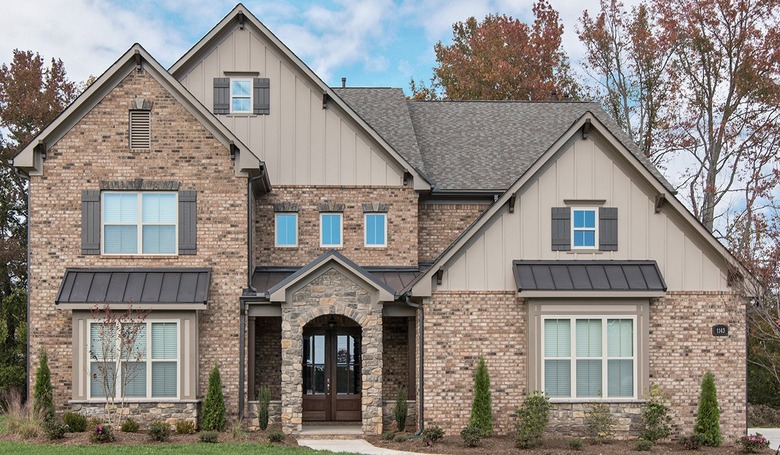
Refers to an exterior wall covering made from brick-based materials that are attached to a building’s structural wall. Unlike load-bearing walls, it does not support the weight of the building. Instead, it acts as a protective and decorative layer.
The main purpose is to protect the building from weather, moisture, and external damage while enhancing its appearance. Forms a durable outer shell that helps maintain the building’s structural integrity and indoor comfort.
Why Brick Siding Remains a Popular Choice
Continues to be popular because it combines strength with long-term beauty. It does not easily fade, warp, or decay, even when exposed to harsh weather conditions. Unlike many painted or synthetic materials, it keeps its natural color and texture for decades.
Another reason for its popularity is flexibility in design. is available in many colors, sizes, and finishes, allowing it to fit both traditional and modern architectural styles.
Types of Brick Siding Systems
Traditional Brick Veneer Siding
Traditional brick veneer uses full-size bricks installed as a single layer on the exterior of a building. These bricks are attached to the structural wall using metal ties, with a small space left behind for ventilation and moisture drainage.
This system provides the authentic look of solid brick construction without adding excessive structural weight. It is commonly used in residential homes and small commercial buildings where durability and classic design are important.
Brick Panel Siding
Thin brick siding uses real brick slices that are much thinner and lighter than traditional bricks. These brick slips are often mounted on panels or boards, making installation faster and more efficient.
Systems are usually prefabricated in factories to ensure consistent quality. They are ideal for renovations, multi-story buildings, and projects where reducing installation time and structural load is essential.
Benefits of Brick Siding
Long-Term Durability and Strength
Brick siding is known for its exceptional durability. It can withstand extreme temperatures, heavy rain, strong winds, and prolonged sun exposure without losing its structural integrity.
This strength makes brick siding a long-term investment. Buildings with brick siding often last longer and require fewer exterior repairs compared to those with other siding materials.
Low Maintenance and Cost Efficiency
One of the biggest advantages of brick siding is its low maintenance requirement. It does not need frequent repainting, sealing, or replacement. Occasional cleaning is usually enough to keep it looking good.
Although the initial cost of brick siding may be higher than some alternatives, its long lifespan and minimal maintenance make it cost-effective over time.
Technology Behind Modern Brick Siding
Moisture Control and Ventilation Design
Modern brick siding systems are designed to manage moisture effectively. Ventilated cavities behind the brick layer allow water vapor to escape and prevent moisture buildup inside the wall.
This design reduces the risk of mold, mildew, and structural damage. It also helps regulate indoor humidity levels, improving overall building comfort.
Fire Resistance and Energy Performance
is naturally fire-resistant, making it a safe option for many types of buildings. It does not burn or release toxic gases, which enhances building safety.
When combined with insulation materials, brick siding also contributes to better energy efficiency. It helps stabilize indoor temperatures and reduce heating and cooling costs.
Real-World Brick Siding Product Examples
Clay Brick Veneer Siding Systems
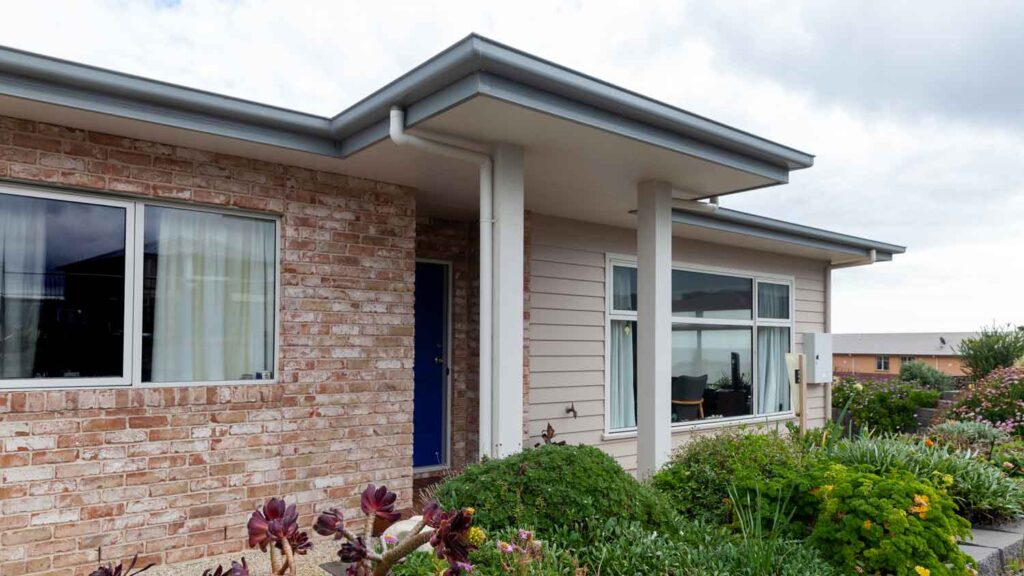
Clay brick veneer siding systems are made from fired natural clay. These products are known for their durability, color consistency, and resistance to weathering.
They are commonly used in residential housing projects where long-term appearance and strength are key priorities.
Thin Brick Siding Panels
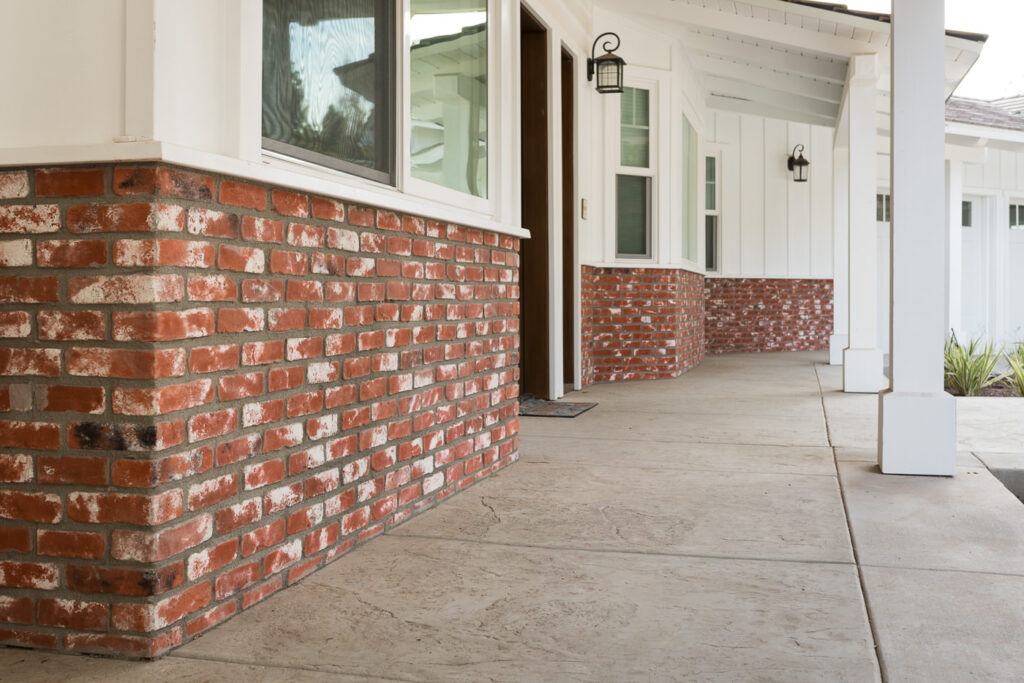
Thin brick siding panels consist of real brick faces bonded to a strong backing material. These panels offer the appearance of traditional brick with reduced weight and faster installation.
They are often chosen for renovation projects or buildings with structural limitations.
Lightweight Brick Composite Siding
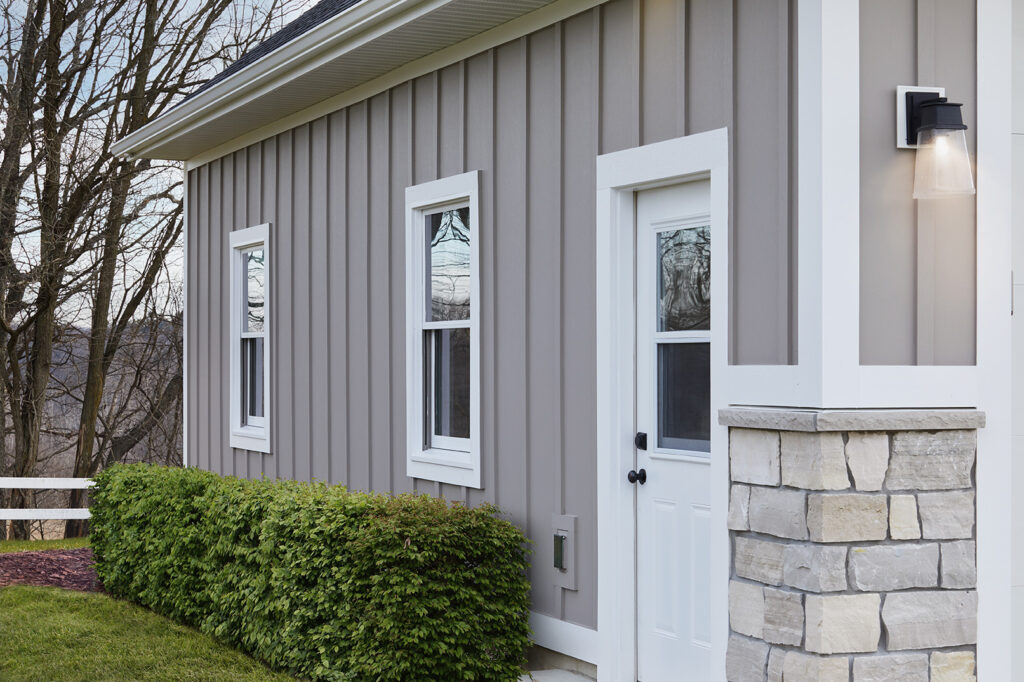
Lightweight composite siding combines textures with engineered materials. This type is designed to be easy to install while maintaining a realistic appearance.
It is suitable for both exterior and interior applications and is often used in modern construction projects.
Prefabricated Brick Facade Panels
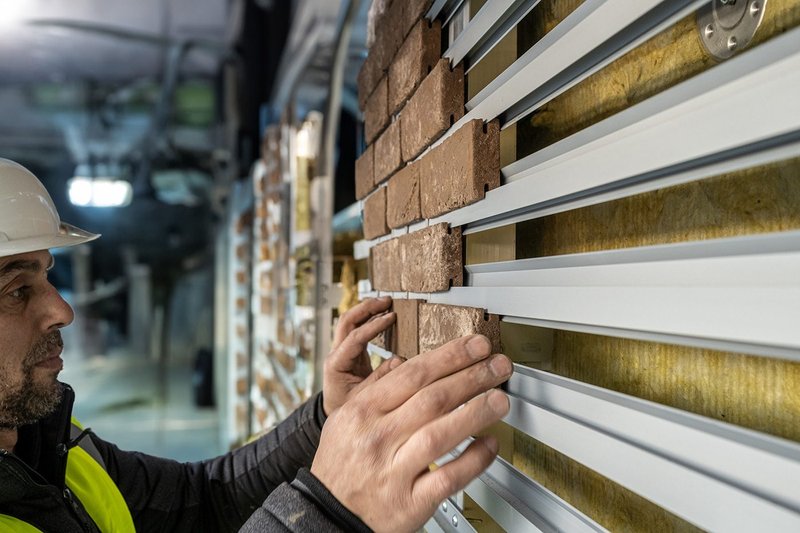
Prefabricated brick facade panels are factory-made units that include brick surfaces already attached to a structural backing. These panels ensure uniform quality and reduce on-site labor.
They are commonly used in commercial buildings, apartments, and large residential developments.
Architectural Brick Siding Systems
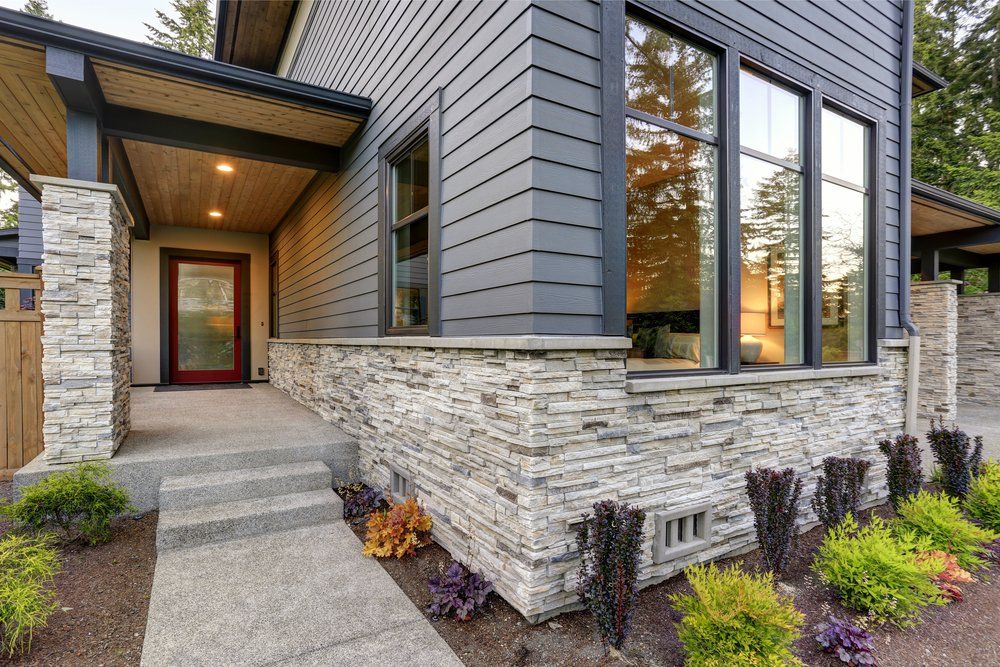
Systems are designed for design-focused projects. They offer unique textures, colors, and layouts that allow architects to create distinctive building exteriors.
These systems are often used in high-end residential and commercial projects.
Problems Brick Siding Solves
Protecting Buildings from Weather Damage
Buildings exposed to rain, heat, and wind can suffer from surface damage and moisture penetration. acts as a protective barrier that shields the structure from these elements.
This protection helps extend the life of the building and reduces the need for frequent repairs.
Improving Appearance and Property Value
Older buildings or plain exterior walls can appear outdated or unattractive. provides a simple way to upgrade the appearance of a building.
Benefits of Choosing High-Quality Brick Siding Products
Reliable Performance Over Time
High-quality products are manufactured to meet strict standards for strength, weather resistance, and color stability. They perform consistently over many years.
This reliability ensures that the building maintains its appearance and protection without frequent intervention.
Environmental and Sustainability Advantages
are made from natural materials and have a long lifespan. This reduces the need for replacement and lowers material waste.
Many modern brick products are produced using energy-efficient manufacturing processes, making them a more sustainable choice.
How to Choose and Buy Brick Siding
Selecting the Right System
Choosing the right depends on the type of building, local climate, design goals, and budget. Some systems are better for new construction, while others are ideal for renovation.
Consulting building professionals can help ensure the selected system meets technical and aesthetic requirements.
Where Brick Siding Is Commonly Purchased
usually purchased through building material suppliers, manufacturers, or construction contractors. These sources often provide technical guidance and product recommendations.
Buying from reputable suppliers helps ensure quality, durability, and long-term performance.
Frequently Asked Questions
How long does brick siding last?
Brick siding can last 50 years or more when properly installed and maintained.
Is brick siding suitable for modern homes?
Yes, brick siding is widely used in modern architecture and can be adapted to contemporary designs.
Can brick siding be installed on existing buildings?
Yes, thin brick and panel systems are commonly used for exterior renovations and upgrades.