Unitized Curtain Wall System Design for Modern Commercial Buildings
Curtain wall design plays a vital role in modern architecture. As buildings become taller, more complex, and more focused on energy efficiency, traditional façade solutions are no longer enough. Among all façade technologies, the unitized curtain wall system has become the top choice for commercial and high-rise buildings worldwide.
A unitized curtain wall system is not just about appearance. It is a complete building envelope solution that improves construction speed, energy efficiency, durability, and long-term building value. This article explains unitized curtain wall system design in a clear and simple way, including benefits, technology, real product examples, use cases, and buying guidance.
Understanding Unitized Curtain Wall System Design
What Is a Unitized Curtain Wall System
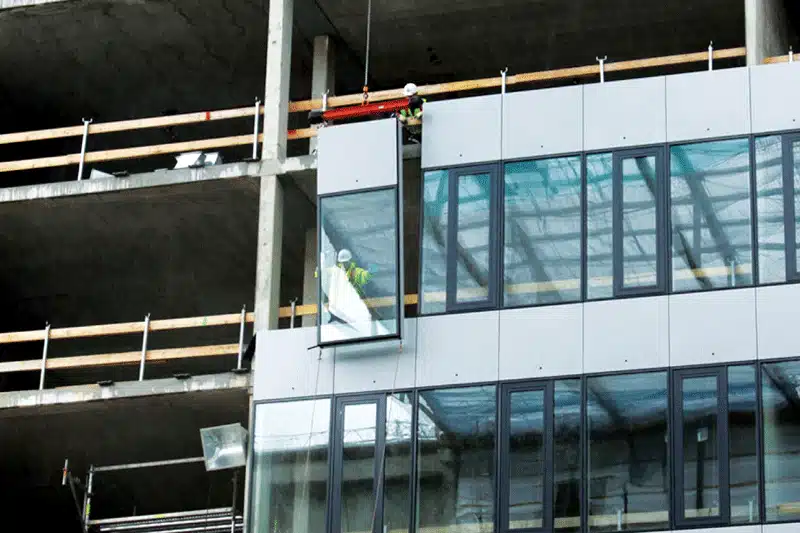
A unitized curtain wall system is a non-structural exterior wall system made from large prefabricated panels. These panels are manufactured in a factory and delivered to the construction site as complete units. Each unit usually covers one full floor height and one structural bay width.
Because the system is assembled in a controlled factory environment, quality is more consistent compared to traditional site-built curtain walls. Once delivered to the site, the panels are lifted into place and attached to the building structure with minimal on-site work.
This system is commonly used for high-rise offices, hotels, hospitals, airports, and mixed-use buildings where speed, safety, and performance are critical.
Key Design Elements and Materials
The main material used in unitized curtain wall systems is aluminum. Aluminum is lightweight, strong, corrosion-resistant, and easy to shape into complex designs. It also allows precise fabrication, which is essential for unitized systems.
Glass is another critical component. Most unitized curtain walls use insulated glass units that combine multiple layers of glass with air or gas-filled cavities. These glass units improve thermal insulation, reduce noise, and control solar heat gain.
Additional design elements include thermal breaks to prevent heat transfer, gaskets to seal air and water, anchoring systems to manage building movement, and internal drainage systems to control moisture.
Technology Behind Unitized Curtain Wall Systems
Factory Fabrication and Quality Control
One of the biggest advantages of unitized curtain wall technology is factory fabrication. In a factory, panels are assembled using precise machinery and strict quality control procedures. This reduces human error and ensures consistent performance across the entire façade.
Factory assembly also allows pre-installation of glazing, insulation, and sealing systems. Each panel is tested for alignment and fit before leaving the factory. This level of control is difficult to achieve with on-site construction.
As a result, unitized systems provide better long-term performance and fewer installation defects.
Advanced Performance Engineering
Unitized curtain wall systems are engineered to handle complex building conditions. They are designed to accommodate wind pressure, seismic movement, thermal expansion, and building sway.
Special joint systems allow panels to move independently without breaking seals or glass. Pressure-equalized chambers improve water resistance by controlling air pressure across the façade.
These technologies ensure the building remains airtight, watertight, and structurally stable throughout its lifespan.
Benefits of Unitized Curtain Wall Systems
Faster Construction and Lower Risk
One of the most important benefits of unitized curtain wall systems is construction speed. Because panels arrive ready for installation, façade work progresses quickly and efficiently.
This reduces reliance on scaffolding and external access equipment. Installation can often be done from inside the building, improving safety and reducing weather-related delays. A faster enclosure allows interior construction to begin earlier, reducing overall project duration and financial risk.
Improved Energy Efficiency and Comfort
Unitized curtain wall systems significantly improve building energy performance. High-performance glazing and thermal breaks reduce heat loss in cold climates and limit heat gain in warm climates.
Better air tightness improves indoor comfort by reducing drafts and temperature fluctuations. Acoustic glazing also helps reduce external noise, creating quieter interior spaces.
These benefits lead to lower energy costs and improved occupant satisfaction.
Real World Unitized Curtain Wall System Products
High-Performance Aluminum Unitized Curtain Wall System
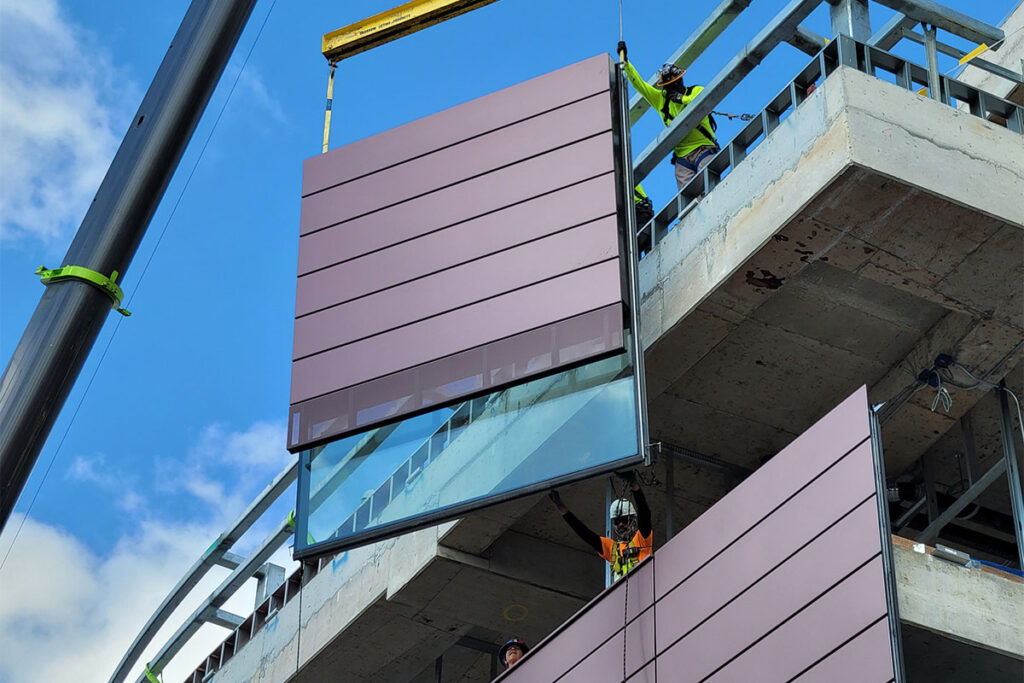
This type of system is commonly used in modern office towers. It features aluminum frames combined with insulated glass units and integrated shading options.
The system is designed for high wind loads and offers excellent thermal performance. Its modular design allows easy replacement of panels if maintenance is required.
Developers choose this product for its reliability, clean appearance, and long service life.
Structural Glazing Unitized Curtain Wall System
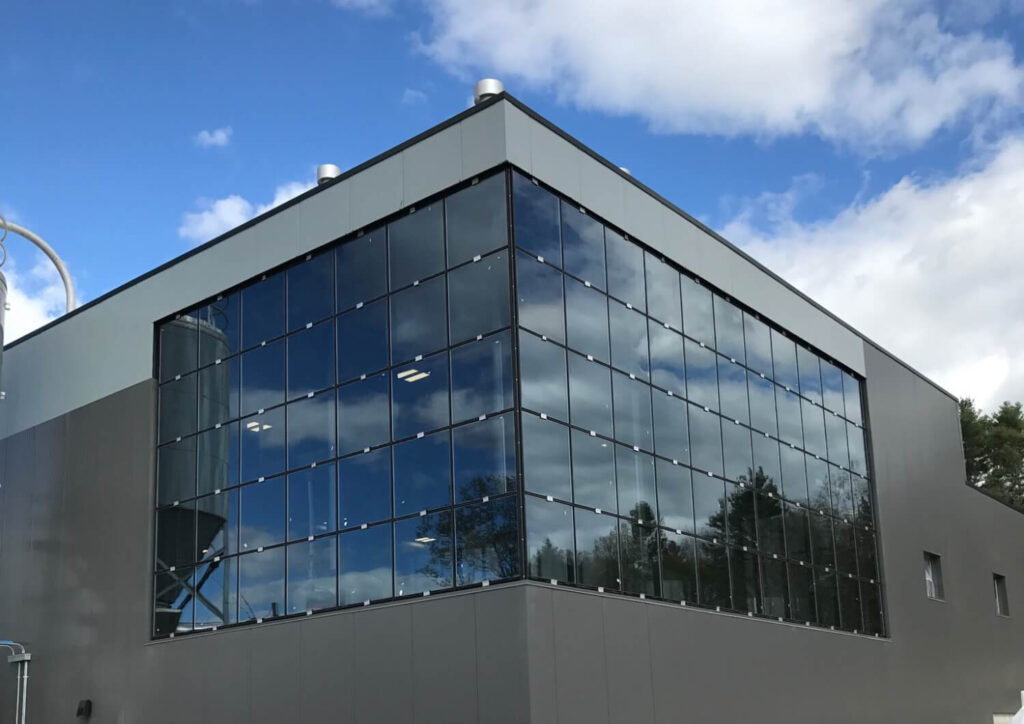
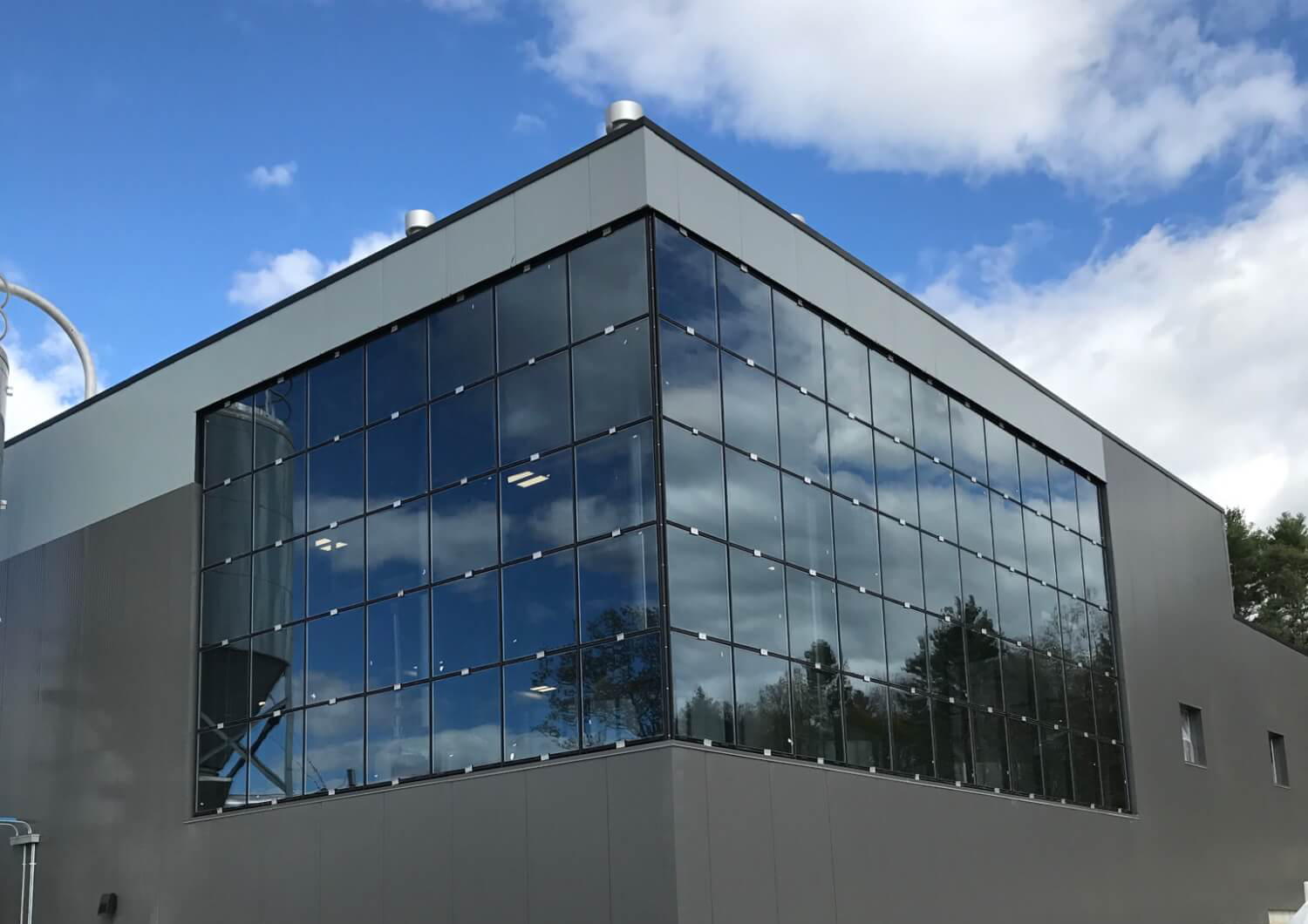
Structural glazing unitized systems emphasize transparency and minimal framing. Glass panels are bonded to aluminum frames, creating a smooth glass façade appearance.
This system is ideal for premium commercial buildings where aesthetics are a priority. Despite its clean look, it still delivers strong thermal and weather performance.
It is often used in headquarters buildings, luxury hotels, and flagship commercial projects.
Double-Skin Unitized Curtain Wall System
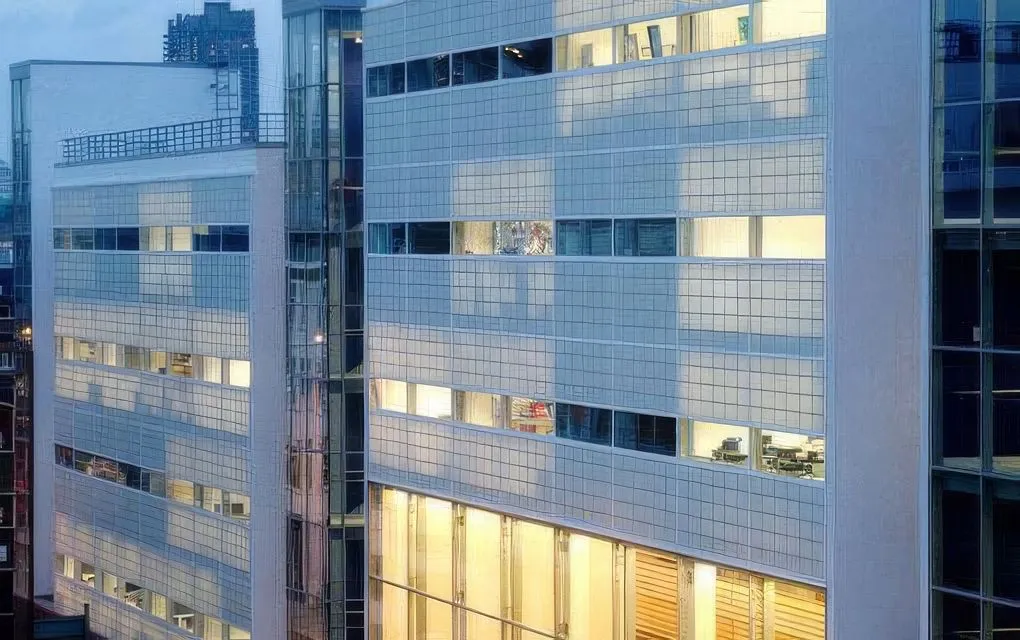
A double-skin unitized curtain wall system consists of two layers of glass separated by a ventilated cavity. This design improves thermal performance and allows natural ventilation.
The cavity acts as a buffer zone, reducing heat gain and improving energy efficiency. It also supports integrated shading devices protected from the weather.
This product is suitable for sustainable buildings aiming for high environmental certification standards.
Unitized Curtain Wall with Integrated Sun Control
This system includes built-in sunshades or louvers within the curtain wall design. It helps control glare and solar heat gain while maintaining natural daylight.
Integrated sun control improves occupant comfort and reduces cooling demand. It also adds architectural character to the façade.
This solution is popular in office buildings located in hot or sunny climates.
Renovation-Focused Unitized Curtain Wall System
This product is designed specifically for building upgrades and façade replacements. Lightweight panels reduce load on existing structures while improving energy performance.
The system allows installation with minimal disruption to occupants. It is often used to modernize older commercial buildings.
This solution extends building life and increases property value.
Use Cases and Problem Solving
Solving High-Rise Installation Challenges
High-rise buildings face limited site access, safety concerns, and tight schedules. Unitized curtain wall systems solve these problems through off-site fabrication and rapid installation.
Panels are installed floor by floor with minimal external equipment. This reduces labor risks and improves productivity.
For tall buildings, this system is often the only practical façade solution.
Why Building Owners and Developers Need This System
Building owners need durable, efficient, and low-maintenance façades. Unitized curtain wall systems deliver long-term performance with fewer repairs.
Developers benefit from predictable costs and shorter project timelines. Architects gain design flexibility without sacrificing performance.
These combined advantages make unitized curtain wall systems essential for modern construction.
How to Buy Unitized Curtain Wall Systems
What to Consider Before Purchasing
When buying a unitized curtain wall system, buyers should consider building height, climate, energy performance targets, and architectural design.
It is important to work with experienced manufacturers who provide engineering support, testing documentation, and installation guidance.
Early coordination during the design phase ensures optimal performance and cost efficiency.
Where to Buy
Unitized curtain wall systems are typically purchased directly from manufacturers or through specialized façade contractors. These suppliers customize systems based on project requirements.
Buyers should request performance data, mock-up testing results, and warranty information before finalizing a purchase.
Frequently Asked Questions
What makes unitized curtain wall systems better than traditional curtain walls?
They offer faster installation, better quality control, and higher performance due to factory fabrication.
Are unitized curtain wall systems suitable for all buildings?
They are best suited for mid-rise to high-rise commercial buildings and large-scale projects.
How long does a unitized curtain wall system last?
With proper design and maintenance, these systems can perform effectively for several decades.