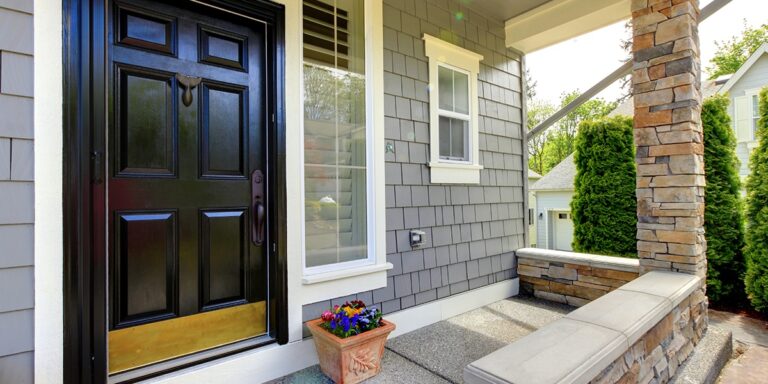
Custom Entry Doors for Homes: Design, Materials, Benefits, and Buying Guide
Custom-designed entry doors play a major role in how a home looks, feels, and performs. They are not just a point of access, but also an essential element of security, insulation, and exterior design. Unlike standard doors that come in fixed sizes and limited styles, these doors are created to meet specific homeowner requirements.
As more homeowners seek personalized design and improved performance, tailor-made entrance solutions have become increasingly popular. They provide full control over materials, size, structure, and visual details, resulting in an entrance that truly matches both the home and the lifestyle of its occupants.
What These Entry Doors Are and Why They Matter
Definition and Purpose
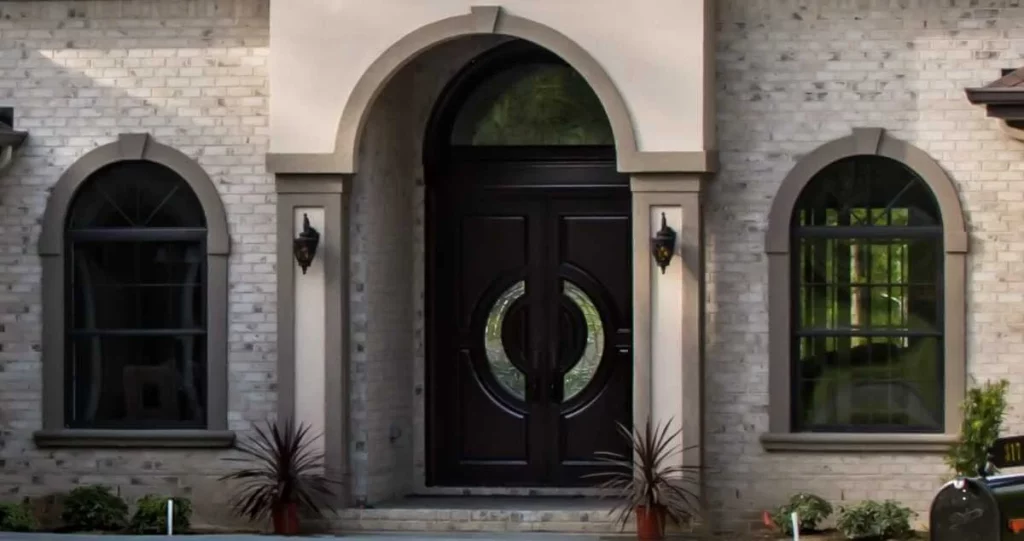
Custom entry doors are exterior doors designed and built based on individual specifications. These specifications may include unique dimensions, material combinations, panel layouts, glass inserts, surface finishes, and security features. The goal is to create a door that perfectly matches the home’s structure and aesthetic.
Because the main entrance is exposed to weather, temperature changes, and daily use, custom entry doors are engineered for durability. They act as a protective barrier while also serving as a visual centerpiece for the home’s exterior.
Importance of a Personalized Entrance
The front entrance is often the first thing visitors notice. A poorly designed or outdated door can reduce curb appeal and create security or energy issues. Custom entry doors address these concerns by combining appearance and performance in one solution.
By investing in customization, homeowners improve not only visual appeal but also comfort, safety, and long-term property value.
Materials Commonly Used for Custom Exterior Doors
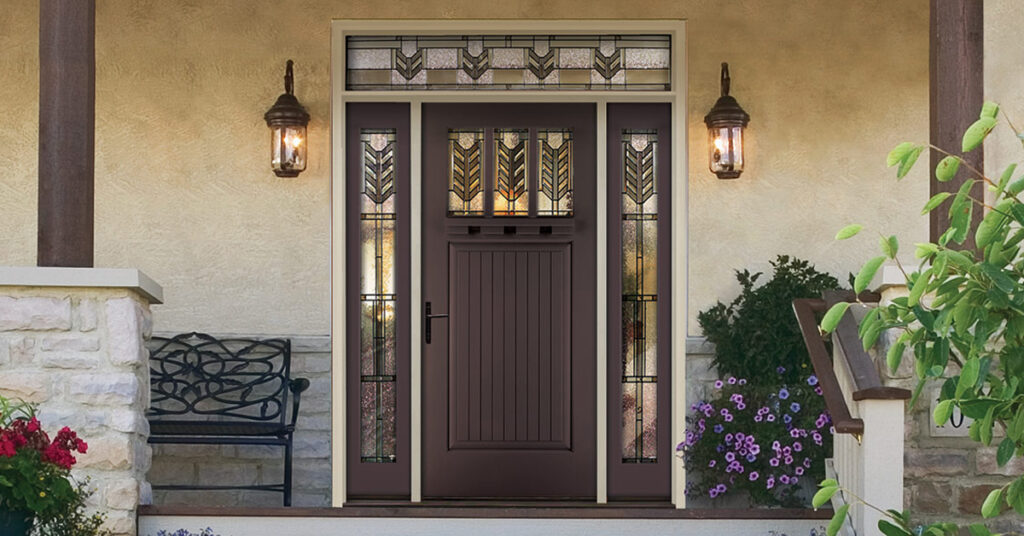
Solid Wood Options
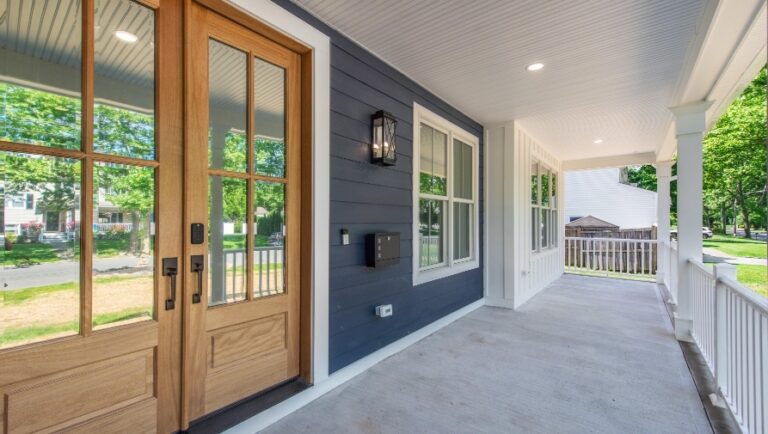
Solid wood doors are valued for their natural beauty and timeless character. They are commonly crafted from hardwoods such as oak, mahogany, or walnut, which provide strength and natural insulation. Wood allows for detailed carving, distinctive panel designs, and rich finishes.
These doors are often chosen for traditional, luxury, or heritage-style homes. With proper sealing and routine maintenance, wood doors can deliver excellent performance for many years while maintaining their elegant appearance.
Fiberglass Construction
Fiberglass doors are engineered to replicate the look of real wood while offering enhanced durability. They resist moisture, warping, and cracking, making them suitable for homes in humid or extreme climates.
Most fiberglass models include insulated cores that help regulate indoor temperatures. Homeowners often select this material for its balance of visual appeal, energy efficiency, and low maintenance requirements.
Steel-Based Designs
Steel doors are built with safety as a top priority. Reinforced panels and frames provide strong resistance against forced entry, while smooth or textured finishes allow for design flexibility.
Insulation layers are typically included to improve thermal performance. These doors are a practical choice for modern homes or areas where security is a major concern.
Technology Behind Modern Custom Entry Doors
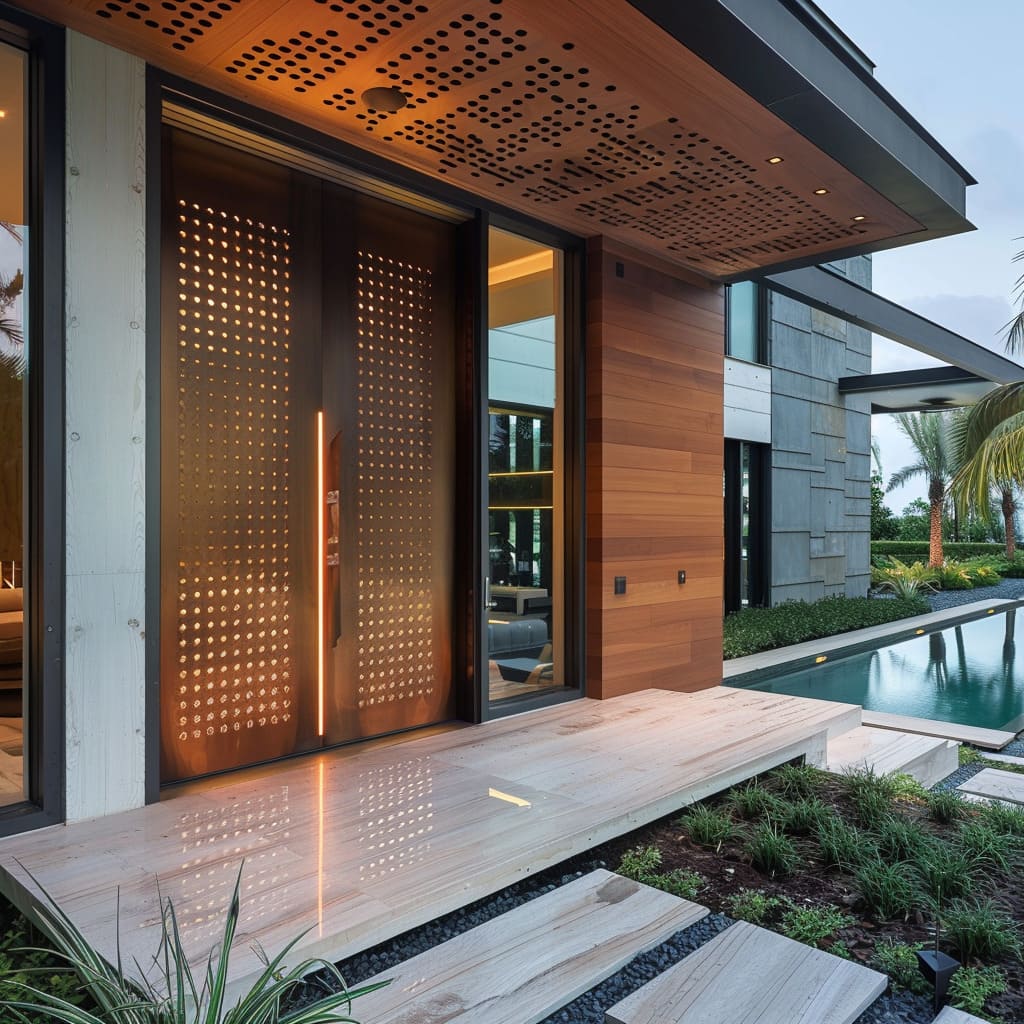
Insulation and Energy Control Systems
Modern custom entry doors use advanced insulation materials inside the door structure. These insulated cores reduce heat transfer between indoor and outdoor environments, helping maintain stable temperatures.
High-quality weather stripping and precision-fit frames prevent air leaks. This technology improves comfort and reduces energy waste throughout the year.
Structural Strength and Security Enhancements
Custom entry doors are reinforced at key stress points, including lock areas and hinges. This increases resistance to impact and daily wear.
Many designs support multi-point locking systems that secure the door at several points along the frame. This improves safety and structural stability.
Benefits of Installing Custom Entry Doors
Unique Design and Personal Expression
Custom entry doors allow homeowners to create a one-of-a-kind entrance. Choices include materials, finishes, glass styles, hardware, and panel configurations.
This level of personalization helps reflect the homeowner’s taste while complementing the home’s architectural style.
Improved Energy Efficiency
Because custom entry doors are built to exact measurements, they fit more precisely than standard doors. This reduces gaps that cause drafts and heat loss.
Over time, improved insulation can lower heating and cooling costs while maintaining indoor comfort.
Enhanced Home Security
Security is a major advantage of custom entry doors. Reinforced construction and advanced locking options reduce the risk of unauthorized entry.
Homeowners gain confidence knowing their primary access point is built for protection.
Increased Property Value
A high-quality custom entry door enhances curb appeal and makes a strong first impression. This can increase resale value and attract potential buyers.
It is a visible upgrade that delivers both functional and aesthetic returns.
Types of Custom Entry Door Designs
Traditional Custom Entry Doors
Traditional designs often feature raised panels, decorative glass, and rich wood finishes. These doors suit classic and colonial-style homes.
They emphasize craftsmanship and timeless elegance while providing reliable insulation.
Modern and Minimalist Custom Entry Doors
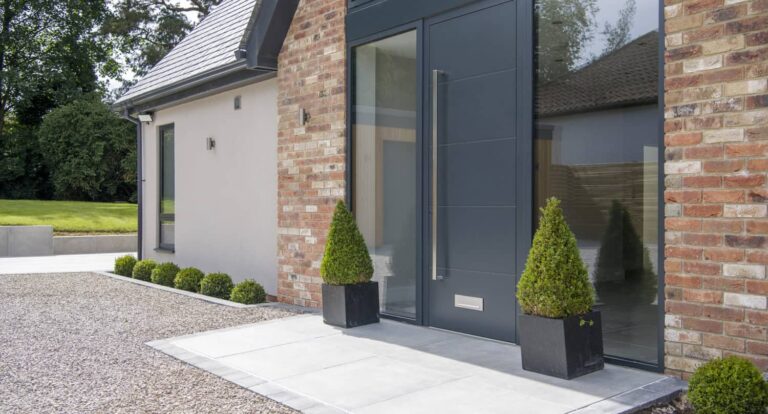
Modern designs focus on clean lines, smooth surfaces, and minimal detailing. Materials such as steel and fiberglass are commonly used.
These doors complement contemporary architecture and prioritize simplicity and performance.
Rustic and Craftsman Custom Entry Doors
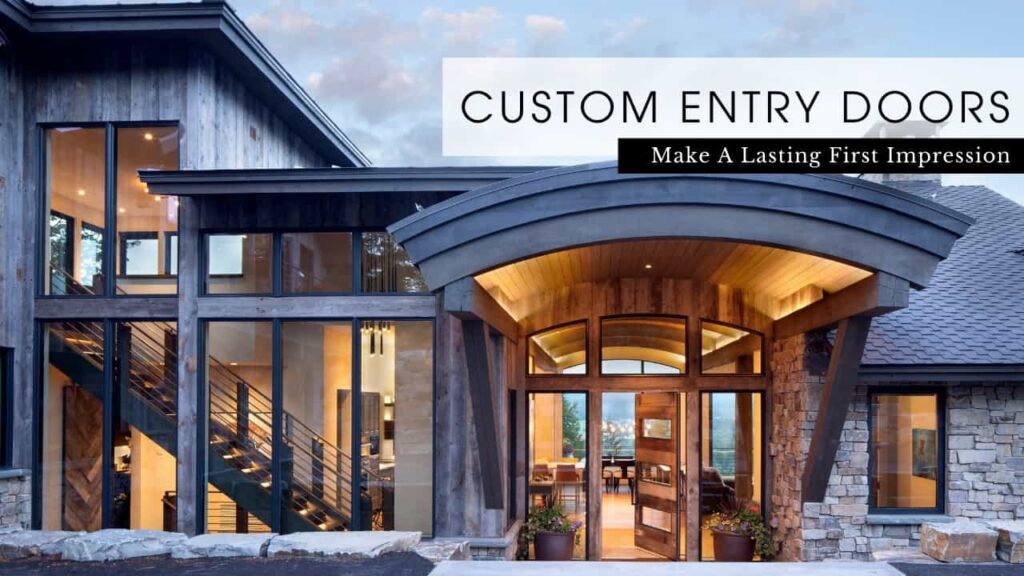
Rustic designs highlight natural textures, wood grains, and handcrafted details. They are often used in cottages, cabins, or craftsman-style homes.
These doors create a warm and inviting entrance while maintaining durability.
Practical Use Cases for Custom Entry Doors
Solving Non-Standard Door Sizes
Many older homes or custom-built properties have unique door openings. Standard doors may not fit properly, causing gaps and performance issues.
Custom entry doors are built to precise dimensions, ensuring a perfect fit and better sealing.
Improving Climate Protection
Homes in extreme climates benefit from custom entry doors with enhanced insulation and weather resistance. These doors reduce heat loss, moisture intrusion, and temperature fluctuations.
This results in improved comfort and lower energy usage.
Enhancing Exterior Renovations
When homeowners update siding, windows, or landscaping, a custom entry door completes the transformation. It aligns the entrance with the new design direction.
This upgrade delivers a noticeable improvement without major structural changes.
How to Choose the Right Custom Entry Door
Evaluating Your Home’s Needs
Start by considering climate, security concerns, and maintenance preferences. Material choice plays a major role in long-term performance.
Design compatibility with the home’s architecture is equally important to achieve a balanced appearance.
Measuring and Professional Installation
Accurate measurement is critical for custom entry doors. Even small errors can affect insulation and operation.
Professional installation ensures proper alignment, sealing, and durability while protecting warranty coverage.
How to Buy Custom Entry Doors
Selecting a Manufacturer or Supplier
Choose providers that specialize in custom exterior doors and offer material options, design consultation, and clear specifications.
Look for warranty coverage and support services that ensure long-term satisfaction.
Understanding the Buying Process
The process typically includes design selection, measurement, manufacturing, and installation. Custom doors require longer lead times than standard options. Planning ensures the final product meets expectations without delays.
Why Custom Entry Doors Are a Smart Long-Term Investment
Custom entry doors combine security, energy efficiency, comfort, and style into one upgrade. Unlike temporary improvements, they deliver benefits for decades.
For homeowners seeking quality and personalization, custom entry doors provide lasting value and peace of mind.
Frequently Asked Questions
How long do custom entry doors last?
High-quality custom entry doors can last 25 to 40 years, depending on material, climate, and maintenance.
Are custom entry doors suitable for all climates?
Yes. Custom designs allow material and insulation selection tailored to hot, cold, or humid environments.
Are custom entry doors worth the higher cost?
For homeowners who prioritize durability, efficiency, and personalized design, custom entry doors offer excellent long-term value.