Architectural Exterior Cladding Systems for Commercial, Residential, and High-Rise Buildings
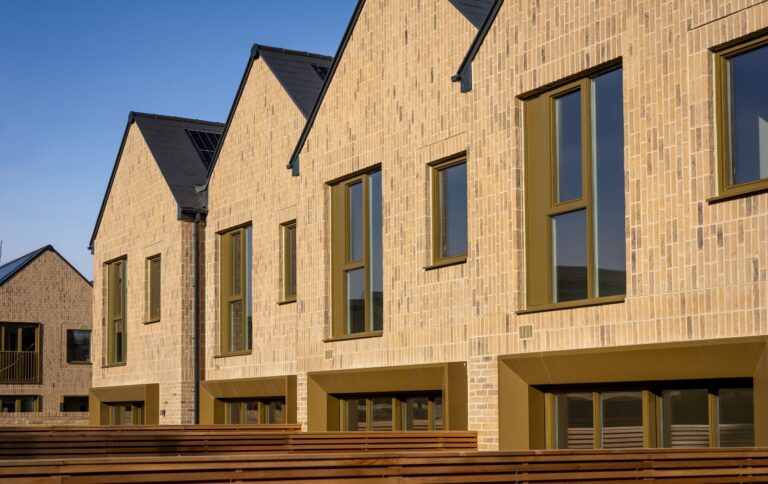
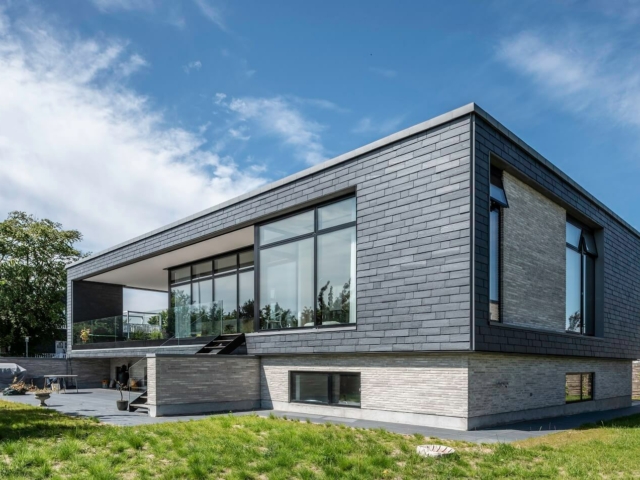
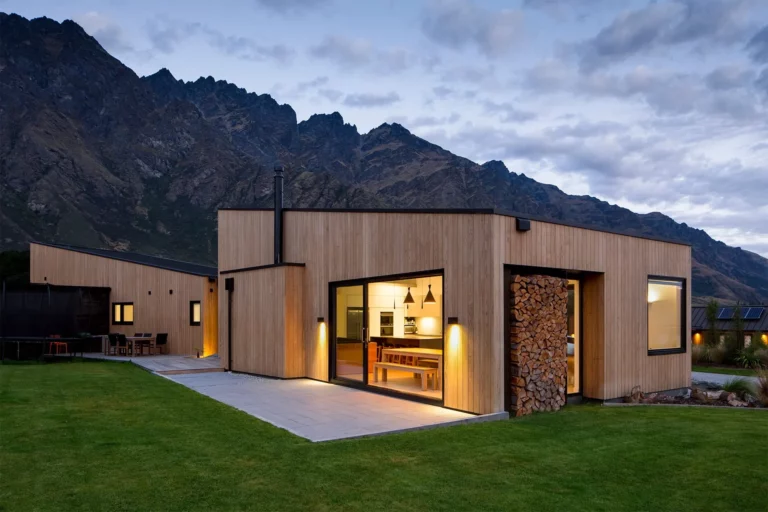
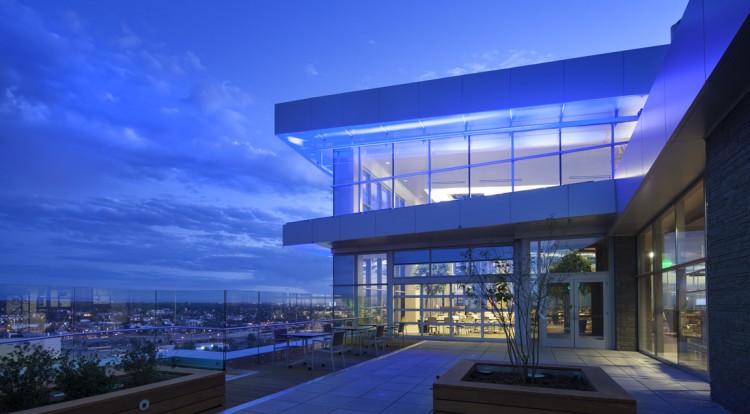
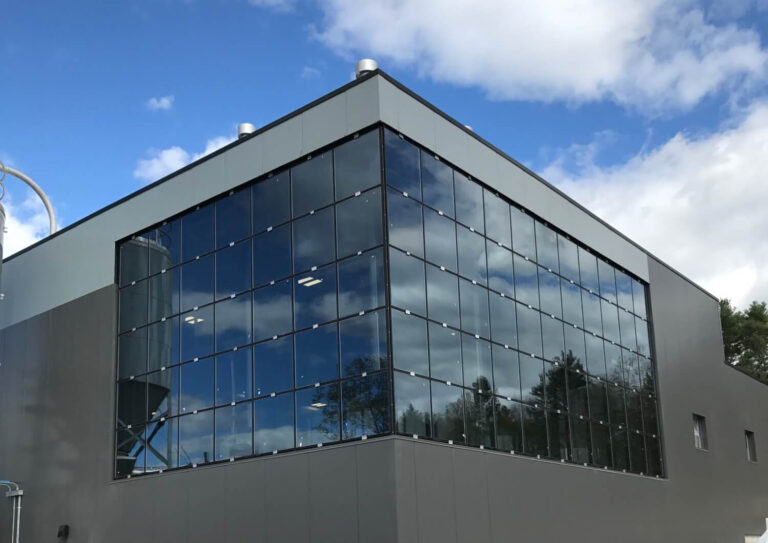
Exterior cladding has become one of the most important components of modern architecture. No longer limited to surface decoration, cladding systems now play a central role in protecting buildings, improving energy performance, and defining architectural identity. As cities grow vertically and sustainability requirements become stricter, architectural exterior cladding systems are essential for buildings that must perform, endure, and stand out visually.
From commercial towers and residential complexes to educational facilities and public infrastructure, exterior cladding determines how a building ages over time. With advanced materials, engineered installation systems, and improved manufacturing technologies, modern cladding solutions deliver durability, flexibility, and long-term value that traditional finishes cannot achieve.
Understanding Architectural Exterior Cladding Systems
Definition of Architectural Exterior Cladding Systems
Architectural exterior cladding systems are engineered assemblies installed on the outer envelope of a building. These systems form a protective and aesthetic layer that shields the structure from environmental forces such as rain, wind, heat, and pollution while enhancing visual appearance.
Unlike conventional wall coatings, cladding systems consist of multiple components working together. Panels, substructures, insulation layers, and ventilation gaps are integrated to ensure consistent performance, moisture control, and thermal efficiency.
Why Exterior Cladding Is More Than a Decorative Layer
Exterior cladding is a long-term investment that affects building performance, safety, and maintenance costs. Poor cladding choices can lead to water infiltration, mold growth, thermal loss, and premature material failure.
Architectural exterior cladding systems are designed to meet strict performance standards, ensuring buildings remain structurally sound, energy-efficient, and visually consistent for decades.
The Importance of Exterior Cladding in Contemporary Architecture
Defining Architectural Character and Identity
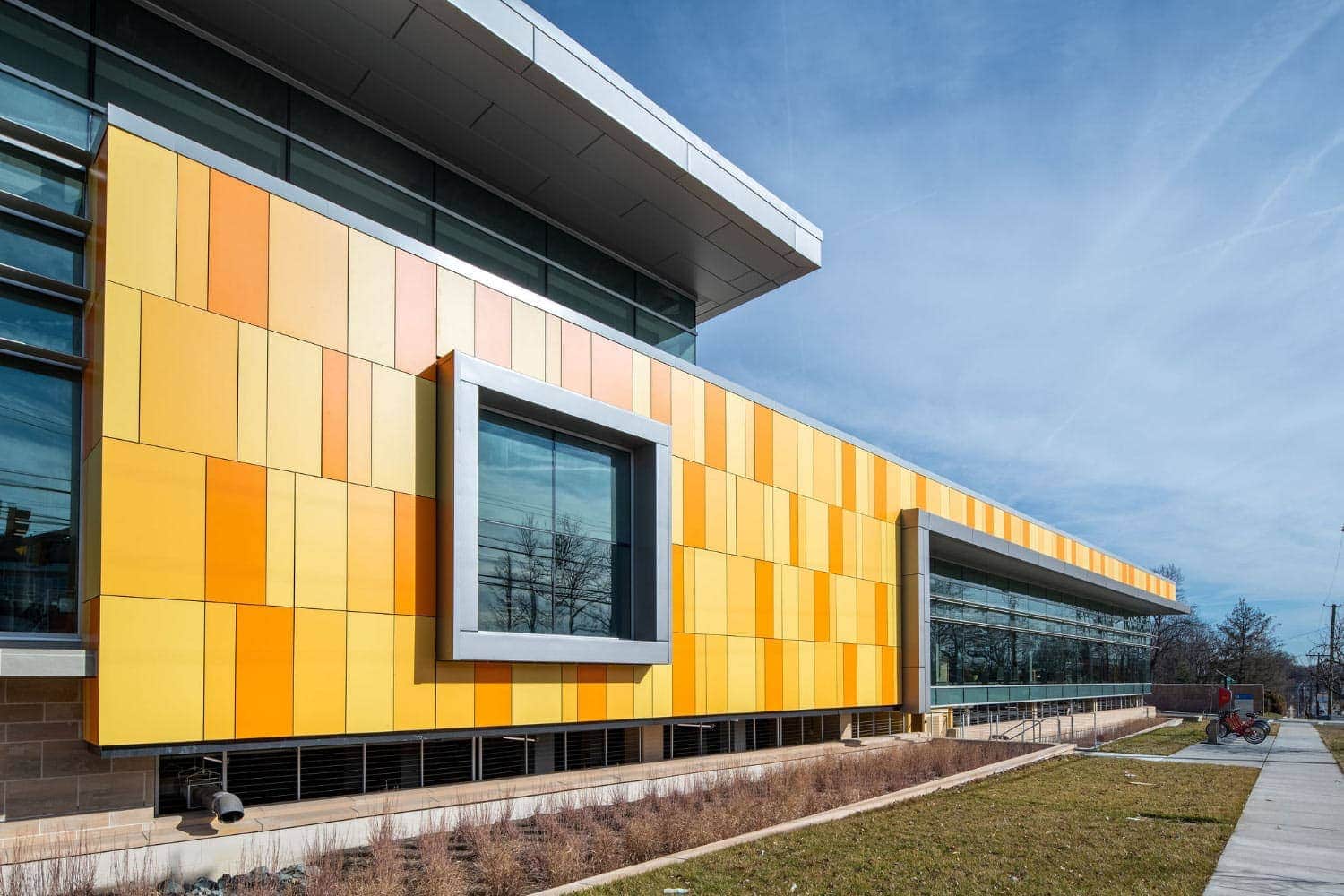
Exterior cladding is one of the most visible architectural elements of any building. Material selection, color, texture, and panel geometry influence how a building is perceived by occupants, visitors, and the surrounding community.
Architectural exterior cladding systems allow designers to express creativity while maintaining control over quality and consistency across large facade surfaces.
Protecting Buildings from Environmental Stress
Buildings are exposed to constant environmental stress, including UV radiation, moisture, temperature fluctuations, and airborne pollutants. Without effective cladding, these factors accelerate material degradation.
High-quality exterior cladding systems provide a protective barrier that extends building lifespan and reduces the frequency of repairs and renovations.
Technologies Behind Architectural Exterior Cladding Systems
Engineered Materials and Manufacturing Precision
Modern cladding materials are engineered for strength, flexibility, and resistance to environmental damage. Aluminum composites, fiber cement, high-pressure laminates, terracotta, and ultra-thin concrete are manufactured with precise tolerances to ensure dimensional stability.
Advanced manufacturing techniques ensure consistent panel quality, color uniformity, and long-term resistance to fading and corrosion.
Ventilated Facade and Rainscreen Technology
Many architectural exterior cladding systems use ventilated facade principles. An air cavity between the cladding and the structural wall allows moisture to evaporate and heat to dissipate.
This technology improves indoor comfort, reduces condensation risk, and enhances energy efficiency by minimizing thermal bridging.
Real-World Architectural Exterior Cladding Products
Aluminum Composite Panel Cladding Systems
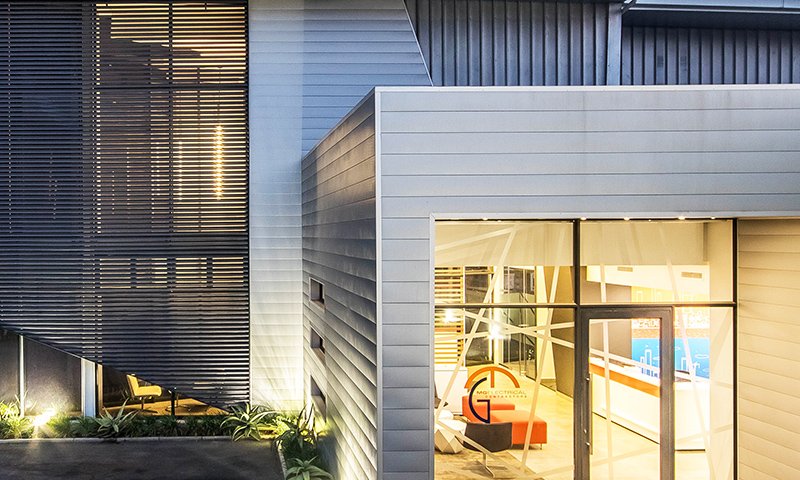
Aluminum composite panel cladding systems consist of two aluminum sheets bonded to a composite core. These panels are lightweight, rigid, and easy to fabricate into complex shapes.
They are widely used in commercial and high-rise buildings due to their clean appearance, flexibility, and resistance to weathering.
Product Benefits:
Excellent flatness, wide range of finishes, and long-term durability.
Use Case:
Ideal for office towers, shopping malls, airports, and corporate buildings requiring a modern architectural expression.
High-Pressure Laminate Exterior Cladding Panels
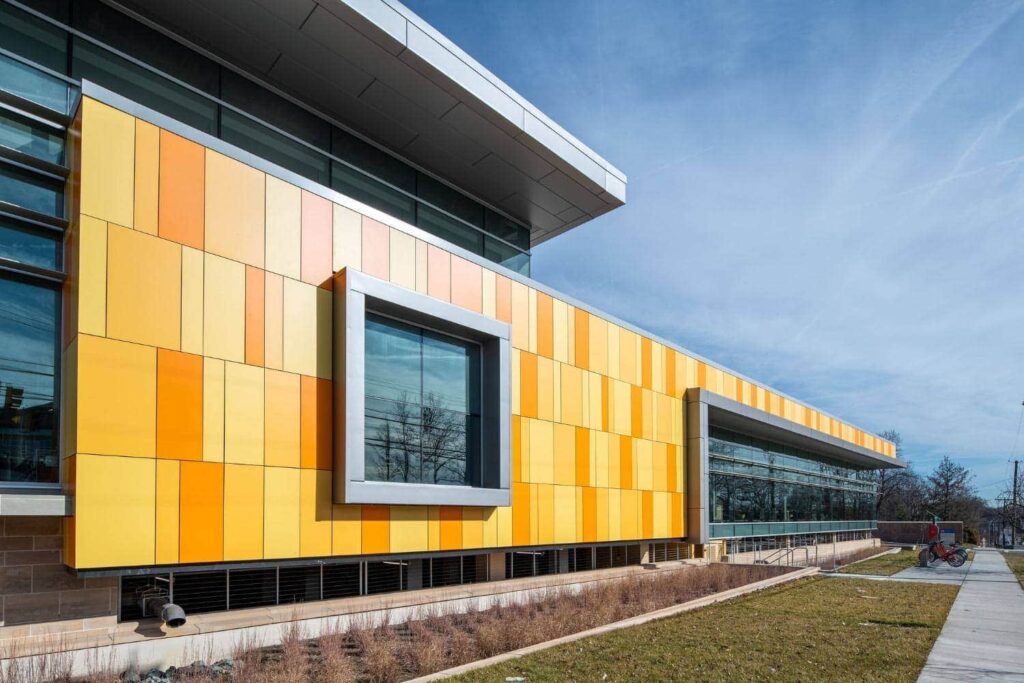
High-pressure laminate cladding panels are produced under extreme pressure and temperature, creating dense, impact-resistant surfaces. These panels are designed to withstand harsh environmental conditions without warping or fading.
Their closed-surface structure resists moisture penetration and surface contamination.
Product Benefits:
Low maintenance, strong impact resistance, and stable color performance.
Use Case:
Suitable for schools, hospitals, residential buildings, and public facilities exposed to heavy use and weather stress.
Fiber Cement Exterior Cladding Systems
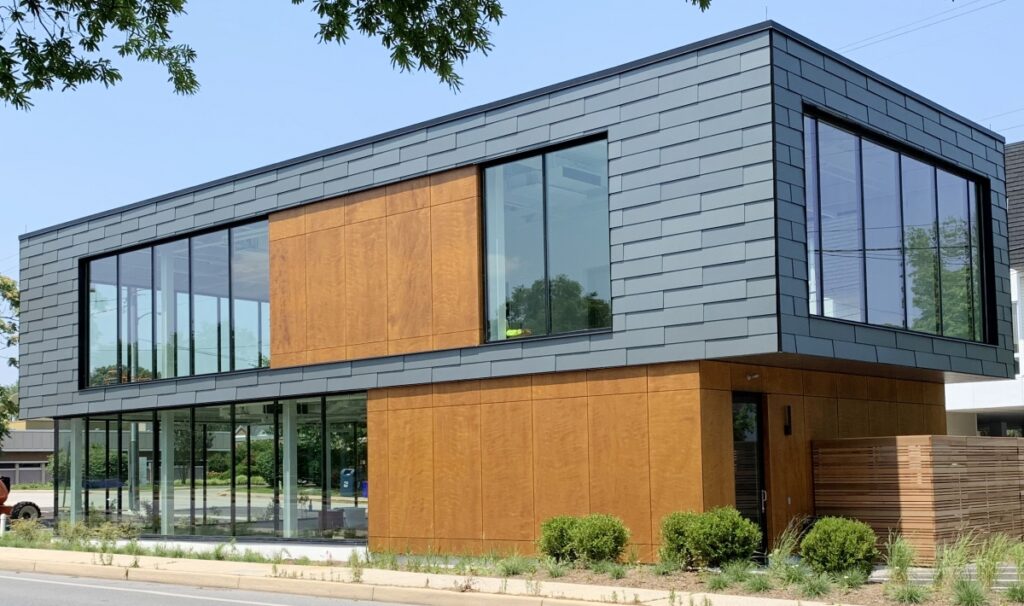
Fiber cement cladding panels are manufactured from cement, cellulose fibers, and mineral additives. These materials create strong, non-combustible panels with a natural, matte appearance.
Fiber cement is valued for its breathability and resistance to fire, moisture, and insects.
Product Benefits:
Fire safety, dimensional stability, and natural architectural texture.
Use Case:
Commonly used in residential developments, cultural buildings, and sustainable architecture projects.
Ultra-Thin Concrete Exterior Cladding Panels
Ultra-thin concrete cladding panels replicate the appearance of solid concrete while significantly reducing weight. Reinforced with glass fibers, these panels provide strength without excessive structural load.
They deliver bold architectural character and material authenticity.
Product Benefits:
Concrete aesthetics with improved structural efficiency.
Use Case:
Ideal for landmark buildings, premium commercial projects, and contemporary architecture requiring a strong visual presence.
Terracotta Rainscreen Cladding Systems
Terracotta cladding systems use fired ceramic elements designed for durability and natural color stability. These systems are often installed as ventilated facades, combining aesthetic warmth with functional performance.
Terracotta panels are valued for their timeless appearance and environmental performance.
Product Benefits:
Natural material, long-lasting color, and thermal stability.
Use Case:
Well-suited for residential complexes, universities, and civic buildings.
Benefits of Architectural Exterior Cladding Systems
Improved Energy Efficiency and Thermal Comfort
Exterior cladding systems enhance building insulation and reduce heat transfer. Ventilated facades improve thermal regulation by allowing excess heat to escape during warm conditions.
This leads to lower energy consumption for heating and cooling, improving overall building efficiency.
Long-Term Durability and Cost Control
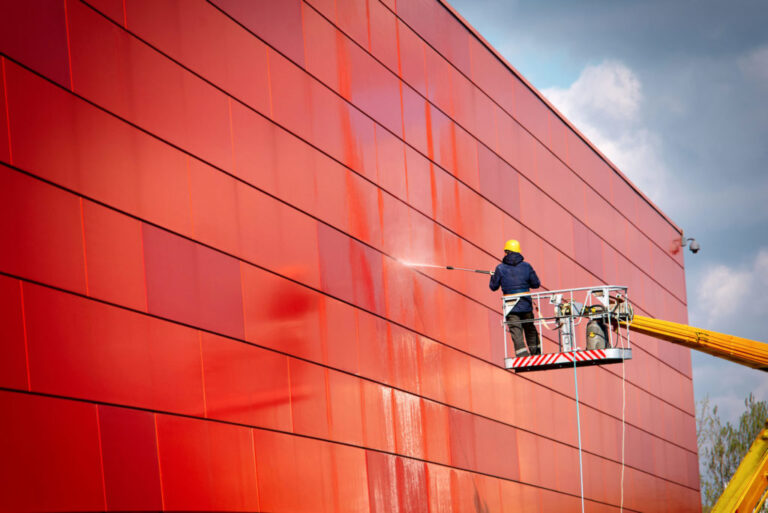
High-quality cladding materials resist corrosion, UV damage, and mechanical wear. This reduces the need for repainting, patching, or replacement over time.
Architectural exterior cladding systems help control long-term maintenance costs and protect building investments.
Architectural and Business Advantages of Exterior Cladding
Increased Property Value and Market Competitiveness
Buildings with modern exterior cladding attract higher tenant demand and rental value. Visual quality, performance reliability, and energy efficiency contribute to stronger market positioning.
Architectural exterior cladding systems help differentiate properties in competitive real estate markets.
Supporting Sustainable Building Strategies
Many exterior cladding materials are recyclable, energy-efficient, and designed for long service life. These characteristics support sustainability certifications and environmental performance goals.
Cladding systems contribute significantly to responsible building design.
Use Cases Solved by Architectural Exterior Cladding Systems
Renovation of Aging Building Facades
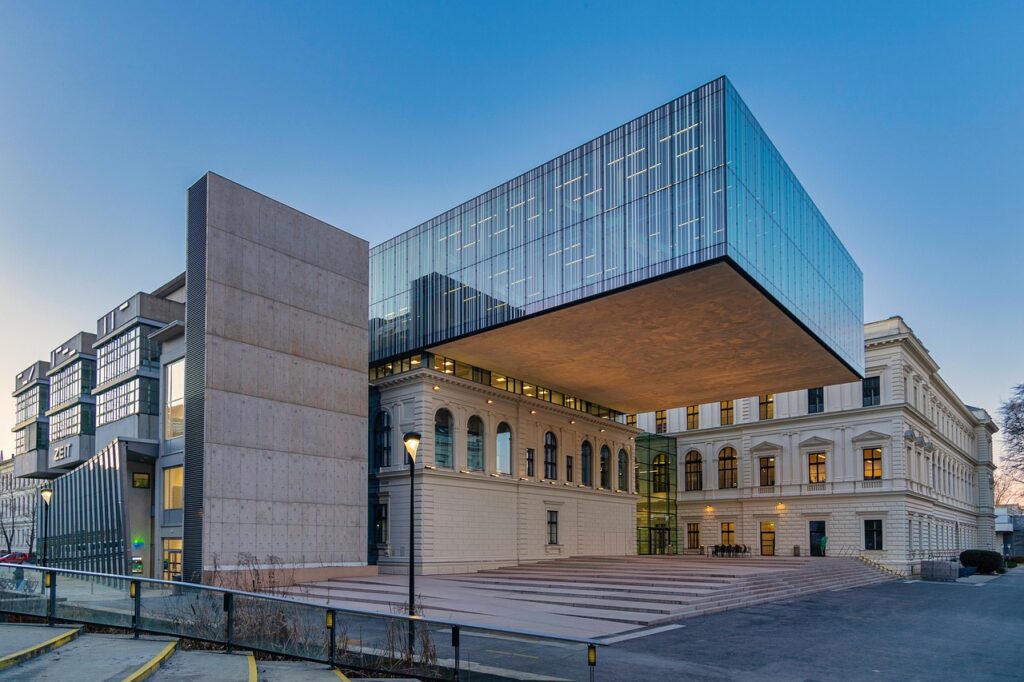
Older buildings often suffer from outdated appearance, poor insulation, and weather damage. Exterior cladding systems allow buildings to be upgraded without major structural reconstruction.
This approach improves aesthetics, energy performance, and durability while controlling renovation costs.
Protection in Harsh Climate Conditions
Buildings located in coastal, industrial, or extreme climate zones require robust exterior protection. Architectural exterior cladding systems provide resistance to moisture, UV exposure, and temperature extremes.
This ensures consistent building performance under challenging environmental conditions.
How to Buy Architectural Exterior Cladding Systems
Planning and Specification Process
The buying process begins with evaluating building requirements, climate conditions, and design goals. Material selection, fire performance, and installation systems must align with local regulations.
Professional consultation during the planning phase ensures optimal system selection and long-term performance.
Installation and Quality Assurance
Exterior cladding systems must be installed by experienced facade specialists to ensure correct alignment, fastening, and ventilation. Proper installation is critical to achieving expected performance.
Quality assurance processes during installation help prevent future failures and maintenance issues.
Why Developers and Building Owners Choose Professional Cladding Systems
Architectural exterior cladding systems provide consistency, durability, and visual impact that conventional finishes cannot match. Developers benefit from predictable performance, reduced maintenance, and improved asset value.
Building owners rely on professional cladding systems to protect structures, meet regulations, and maintain architectural integrity over time.
Frequently Asked Questions
How long do architectural exterior cladding systems typically last
Most high-quality exterior cladding systems are designed to last between 30 and 50 years, depending on material type and environmental exposure.
Are exterior cladding systems suitable for renovation projects
Yes, exterior cladding systems are commonly used to upgrade existing buildings without extensive structural changes.
Do exterior cladding systems improve building energy performance
Yes, they enhance insulation, reduce thermal loss, and support energy-efficient building operation.