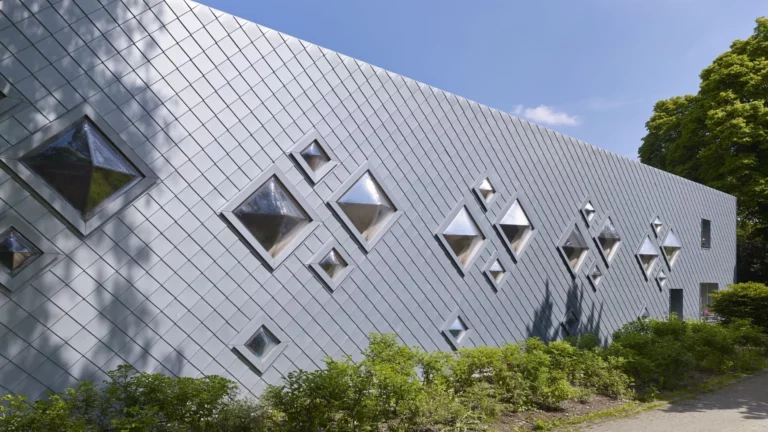
Exterior Wall Cladding Systems for Durable, Efficient, and Modern Buildings
Exterior wall cladding is one of the most important elements in modern building design. It protects buildings from harsh weather, improves energy efficiency, and enhances the overall appearance of a structure. From residential homes to commercial and industrial buildings, plays a key role in long-term performance and visual appeal.
In today’s construction industry, is not just about looks. Modern cladding systems are engineered to manage moisture, improve insulation, increase safety, and reduce maintenance costs. With many material options available, has become a flexible and valuable solution for both new construction and renovation projects.
Understanding Exterior Wall Cladding
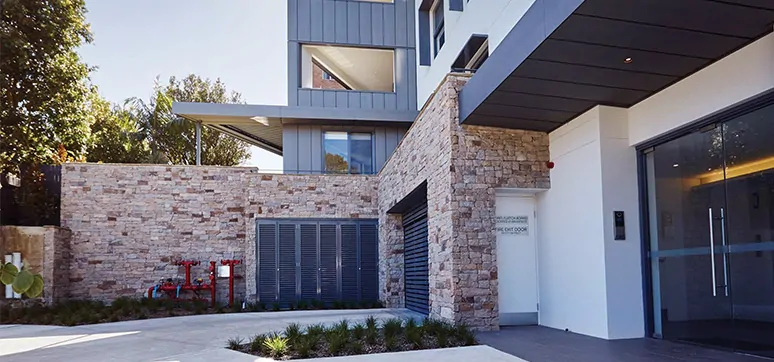
What Exterior Wall Cladding Means
Refers to the outer layer that is attached to the external walls of a building. This layer is usually non-structural, meaning it does not carry the building’s load. Instead, it acts as a protective skin that shields the structure from environmental elements.
The cladding system creates a barrier against rain, wind, sunlight, and temperature changes. It also helps protect the main wall structure from damage, extending the building’s lifespan and maintaining indoor comfort.
Why Exterior Wall Cladding Is Important
Buildings without proper exterior protection are more likely to suffer from moisture problems, heat loss, and surface damage. Exterior wall cladding reduces these risks by controlling exposure to the environment.
In addition to protection, cladding improves architectural appearance. It allows building owners and designers to achieve modern, clean, or natural looks while maintaining high-performance standards.
Types of Exterior Wall Cladding Systems
Brick and Stone-Based Cladding
Brick and stone-based exterior wall cladding systems use natural or manufactured masonry materials applied to the building exterior. These systems are known for their durability, strength, and classic appearance.
Modern brick and stone cladding often uses thinner materials or prefabricated panels to reduce weight and installation time while preserving the traditional look.
Panel and Composite Cladding Systems
Panel-based cladding systems use large panels made from composite materials, fiber cement, metal, or engineered stone. These panels are factory-produced to ensure consistent quality and precise dimensions.
Composite cladding systems are lightweight, easy to install, and suitable for modern architecture. They are commonly used in commercial buildings and high-rise projects.
Benefits of Exterior Wall Cladding
Protection Against Weather and Environmental Damage
Exterior wall cladding acts as a shield that protects the building from rain, wind, heat, and pollution. This reduces direct exposure of the structural wall to harsh conditions.
As a result, cladding helps prevent cracks, moisture penetration, and surface deterioration, keeping the building in better condition for longer.
Improved Appearance and Building Value
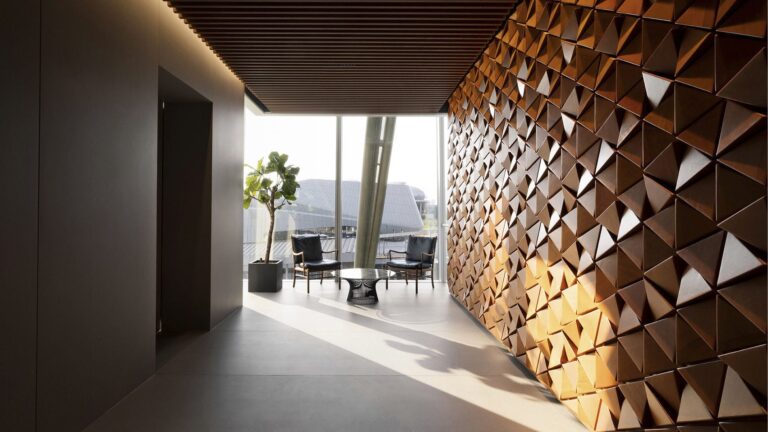
A well-designed cladding system enhances the exterior look of a building. It adds texture, color, and architectural character that improves curb appeal.
Buildings with high-quality exterior wall cladding often have higher market value and stronger visual appeal compared to those without.
Technology Used in Modern Exterior Wall Cladding
Ventilated and Rainscreen Systems
Many modern exterior wall cladding systems use ventilated or rainscreen designs. These systems include an air gap between the cladding and the structural wall.
Thisairspacee allows moisture to escape and air to circulate, preventing condensation and mold growth. It also improves thermal performance and indoor comfort.
Fire Safety and Energy Performance
Modern cladding materials are engineered to meet fire safety standards. Fire-resistant exterior wall cladding helps reduce the spread of fire and improves overall building safety.
When combined with insulation layers, cladding systems also reduce heat loss and heat gain, lowering energy consumption and improving efficiency.
Real-World Exterior Wall Cladding Product Examples
Fiber Cement Exterior Wall Cladding
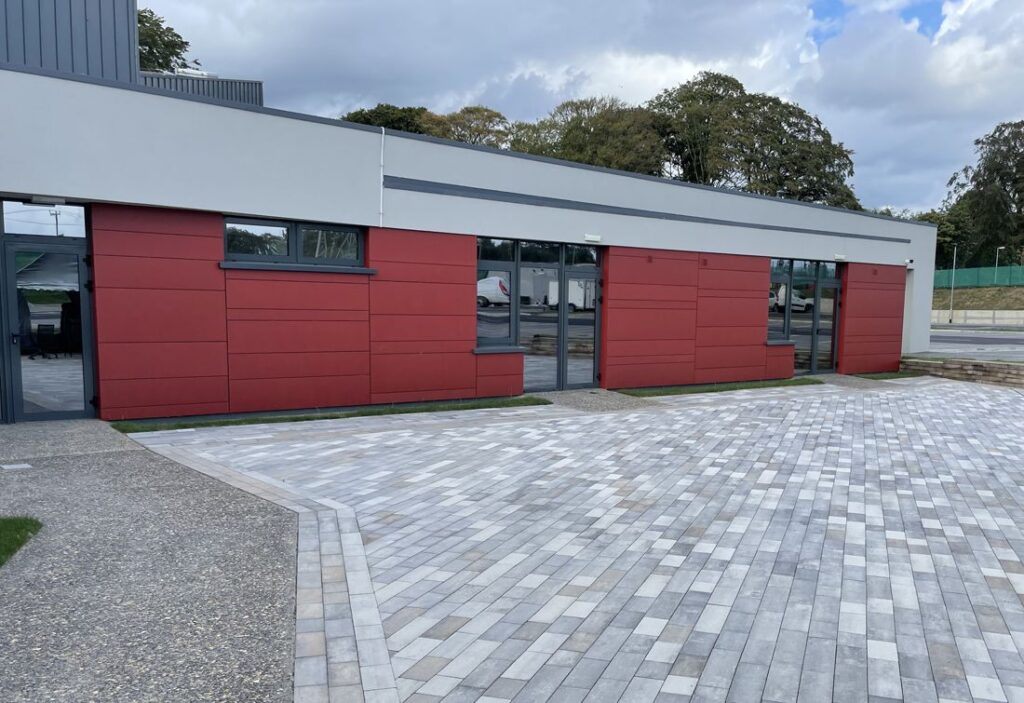
Fiber-cement exterior wall cladding is made from a mixture of cement, sand, and fibers. It is highly durable, resistant to moisture, and stable in different climates.
This type of cladding is widely used in residential and commercial buildings because it requires low maintenance and maintains its appearance over time.
High-Pressure Laminate Cladding Panels
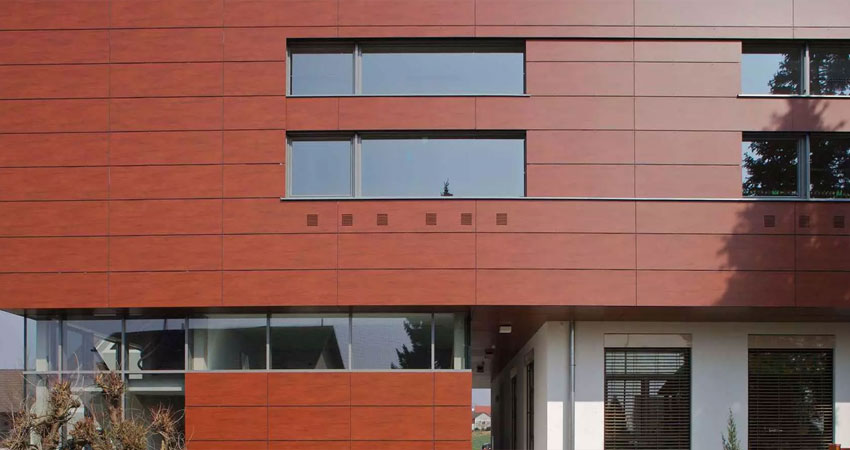
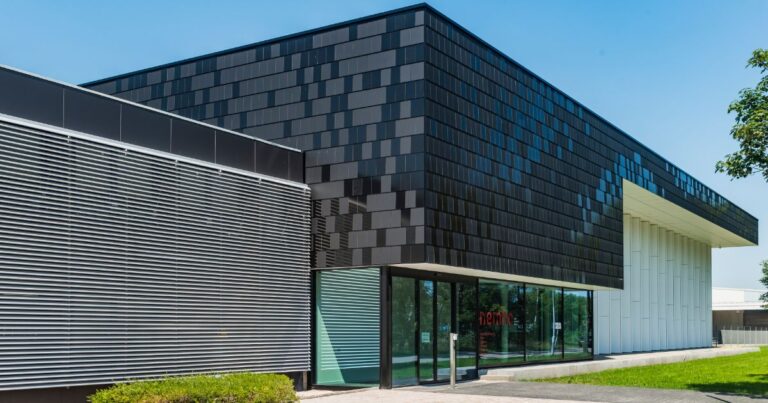
High-pressure laminate cladding panels are manufactured under extreme pressure and heat, resulting in a strong and color-stable surface.
These panels are popular in modern buildings due to their clean finish, impact resistance, and wide range of design options.
Aluminum Composite Exterior Wall Cladding
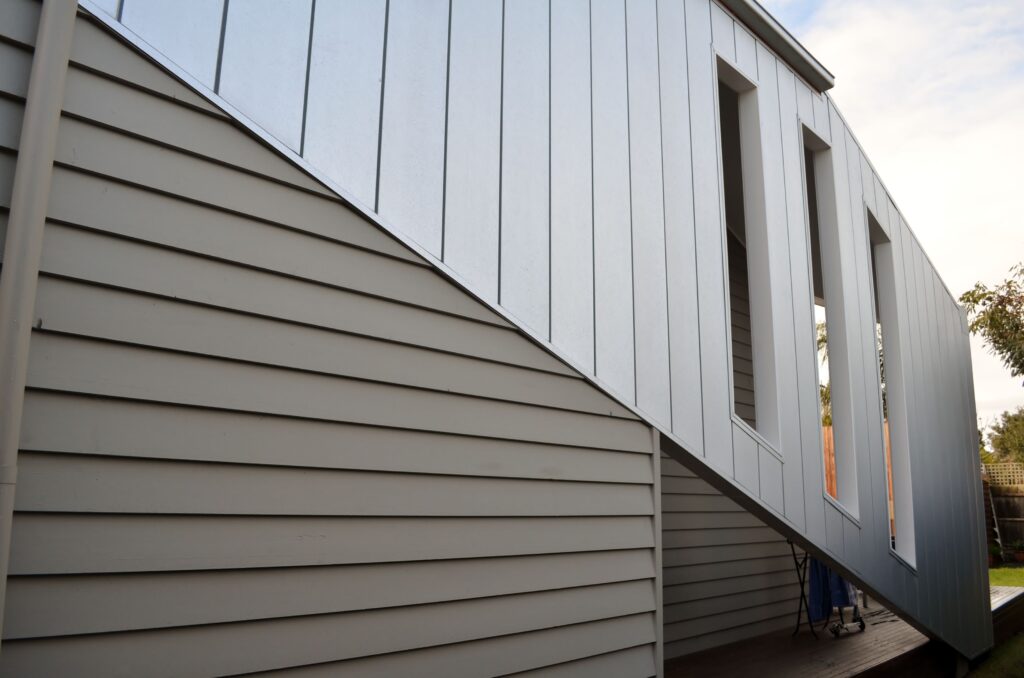
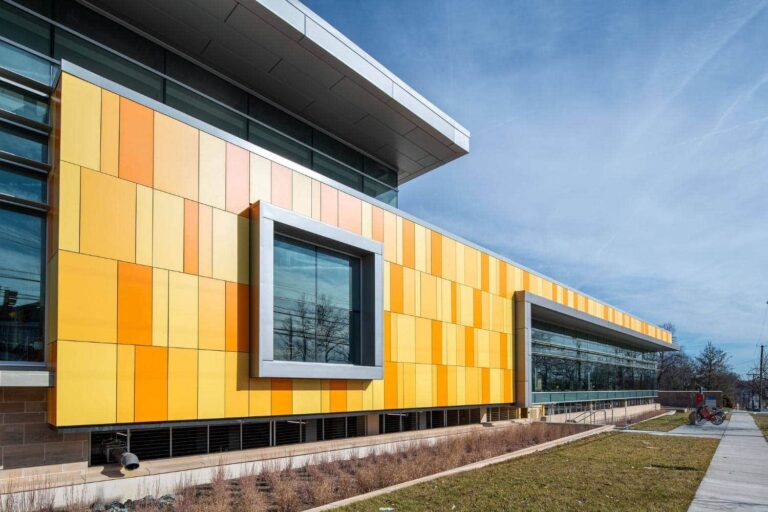
Aluminum composite cladding panels consist of two aluminum sheets bonded to a core material. They are lightweight, strong, and easy to shape.
This type of cladding is commonly used in commercial buildings and high-rise structures where design flexibility and durability are required.
Stone Wool-Based Cladding Panels
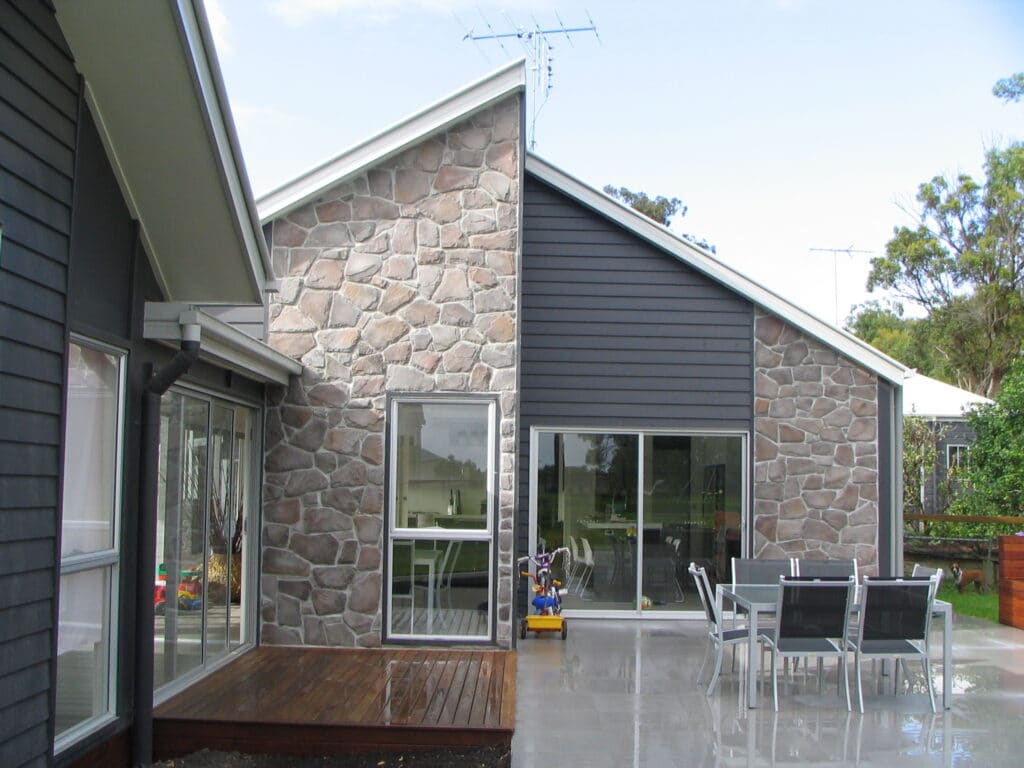
Stone wool-based cladding panels are made from natural stone fibers. They offer excellent fire resistance and sound insulation.
These panels are suitable for buildings that require high safety standards and long-term durability.
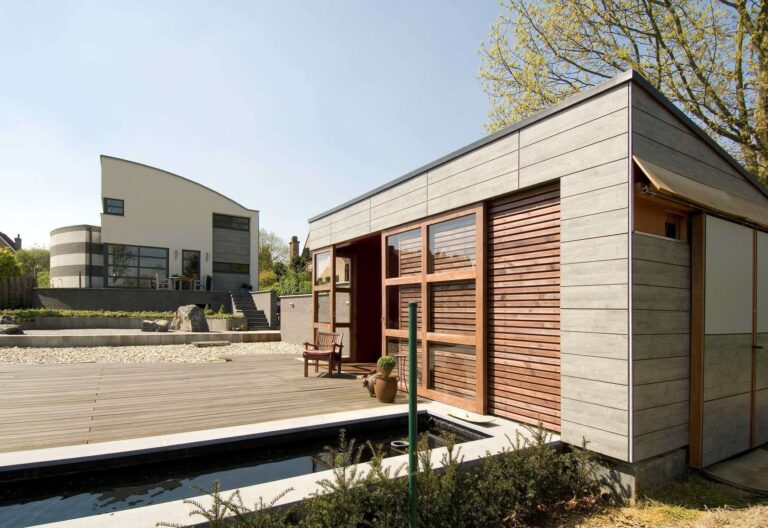
Engineered Wood-Effect Cladding
Engineered wood-effect exterior wall cladding combines the natural appearance of wood with enhanced durability. It resists rot, insects, and moisture.
This type of cladding is often used when a natural look is desired without the maintenance challenges of real wood.
Problems Exterior Wall Cladding Solves
Preventing Moisture and Structural Damage
Water infiltration is one of the most common causes of building damage. Prevents rainwater from directly contacting the structure.
This reduces the risk of mold growth, insulation failure, and long-term structural deterioration.
Improving Thermal Comfort and Energy Efficiency
Buildings without proper exterior protection often lose heat in cold climates and absorb excessive heat in warm conditions. supports insulation systems that regulate indoor temperatures.
Benefits of Choosing High-Quality Exterior Wall Cladding
Long-Term Reliability and Performance
High-quality products are designed to withstand environmental stress for many years. They maintain structural stability, color, and surface integrity.
This reliability reduces maintenance costs and minimizes the need for repairs or replacements.
Sustainability and Environmental Benefits
A long lifespan reduces material waste over time. Many modern cladding materials are recyclable or made using energy-efficient processes.
Using durable cladding systems supports sustainable building practices and environmental responsibility.
How to Choose and Buy Exterior Wall Cladding
Selecting the Right Cladding System
Choosing the right depends on several key factors, including the building type, climate, design preferences, and budget. Some systems are better suited for residential homes, while others are ideal for commercial or industrial buildings.
Consulting with architects or construction professionals helps ensure the chosen cladding system meets performance and safety requirements.
Where Exterior Wall Cladding Is Commonly Purchased
Typically purchased from building material manufacturers, suppliers, or through construction contractors. These sources provide product guidance and technical information.
Buying from trusted suppliers ensures quality, durability, and compatibility with local building standards.
Frequently Asked Questions
How long does exterior wall cladding last?
Most high-quality exterior wall cladding systems last between 30 and 50 years, depending on the material and maintenance.
Can exterior wall cladding be installed on old buildings?
Yes, many modern cladding systems are designed for renovation projects and can be installed on existing buildings.
Does exterior wall cladding require a lot of maintenance?
Most exterior wall cladding systems require minimal maintenance, usually limited to periodic cleaning and inspection.