Exterior Wood Cladding for Modern Buildings: Natural Beauty, Strength, and Long-Term Performance
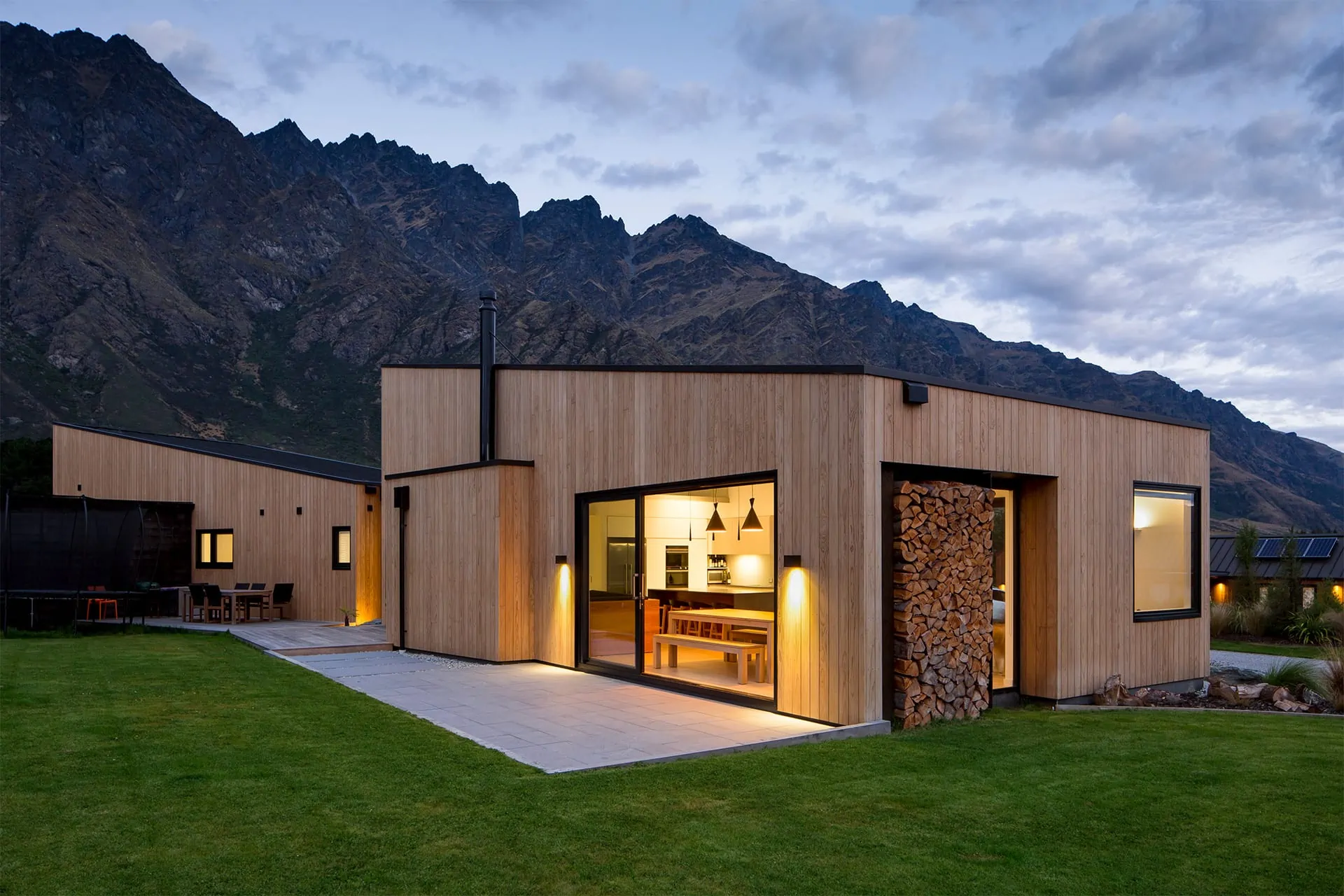
Exterior wood cladding is one of the most popular materials used to improve the appearance and performance of modern buildings. It combines natural beauty with functional protection, making it suitable for homes, offices, hotels, and commercial structures. The use of wood on exterior walls creates a warm and timeless look that connects architecture with nature.
Today, exterior wood cladding is no longer a traditional solution with high maintenance concerns. Thanks to modern technology, wood cladding systems are more durable, weather-resistant, and stable than ever before. Many builders and property owners now choose it because it offers long-term value, sustainability, and design flexibility.
Understanding Exterior Wood Cladding
What Exterior Wood Cladding Means
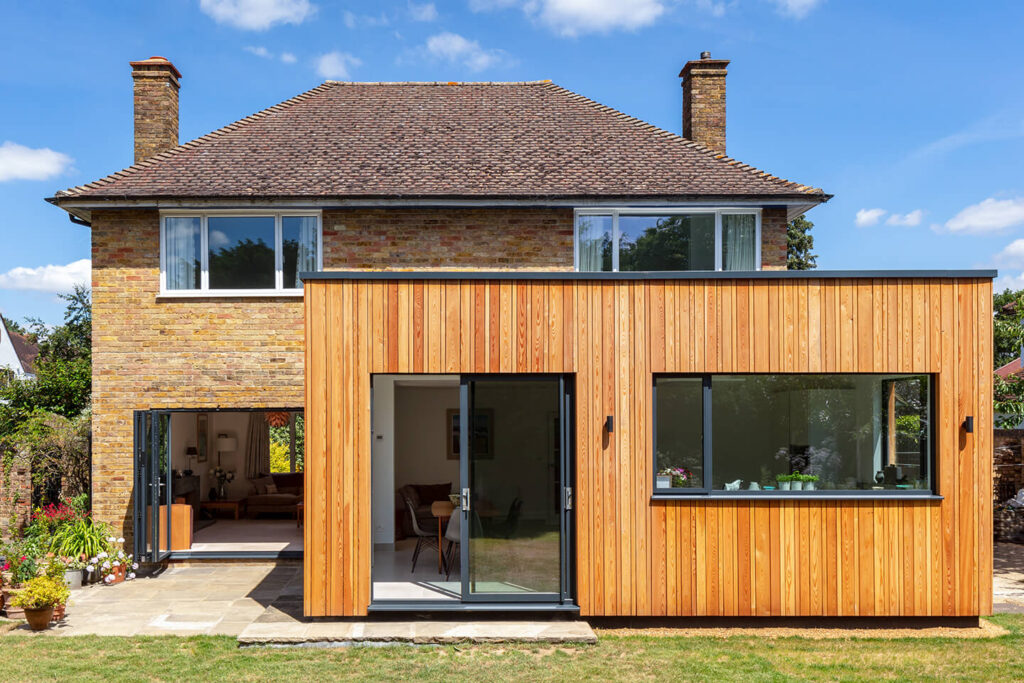
Exterior wood cladding refers to wooden boards or panels installed on the outer surface of a building. These boards act as a protective skin that shields the structure from rain, wind, sun exposure, and temperature changes. The cladding itself is not load-bearing but plays a critical role in protecting the building envelope.
In modern construction, often installed as part of a layered wall system. This includes insulation, moisture barriers, and ventilation gaps that work together to improve durability and indoor comfort.
Why Exterior Wood Cladding Is Widely Chosen
Many people choose it because of its natural appearance. Wood adds warmth and character that artificial materials cannot easily replicate. Each piece of wood has unique grain patterns, making every building visually distinctive.
Another reason for its popularity is sustainability. Wood is a renewable resource when sourced responsibly, making it a preferred choice for environmentally conscious construction projects.
Types of Exterior Wood Cladding
Solid Natural Wood Cladding
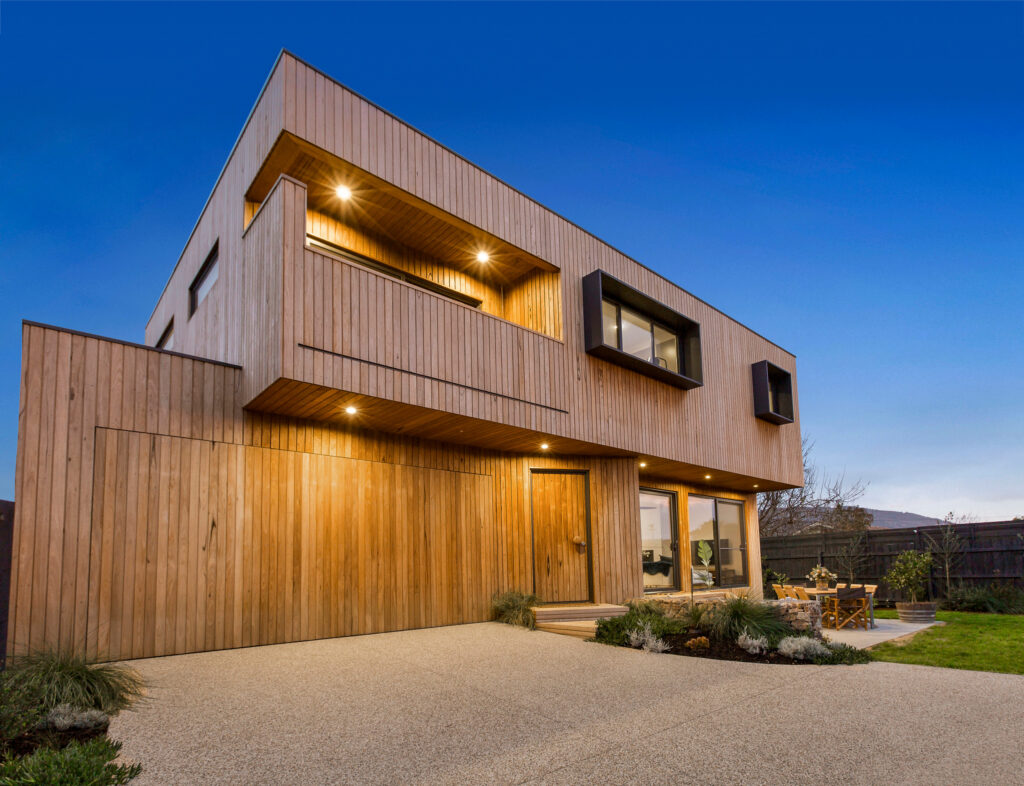
Solid natural wood cladding is made from real timber boards cut directly from trees. Common wood species include cedar, larch, pine, and oak. These woods are selected for their strength and natural resistance to moisture and insects.
This type provides an authentic and organic appearance. Over time, the wood can age naturally, developing a weathered look that many architects and homeowners appreciate.
Modified and Treated Wood Cladding
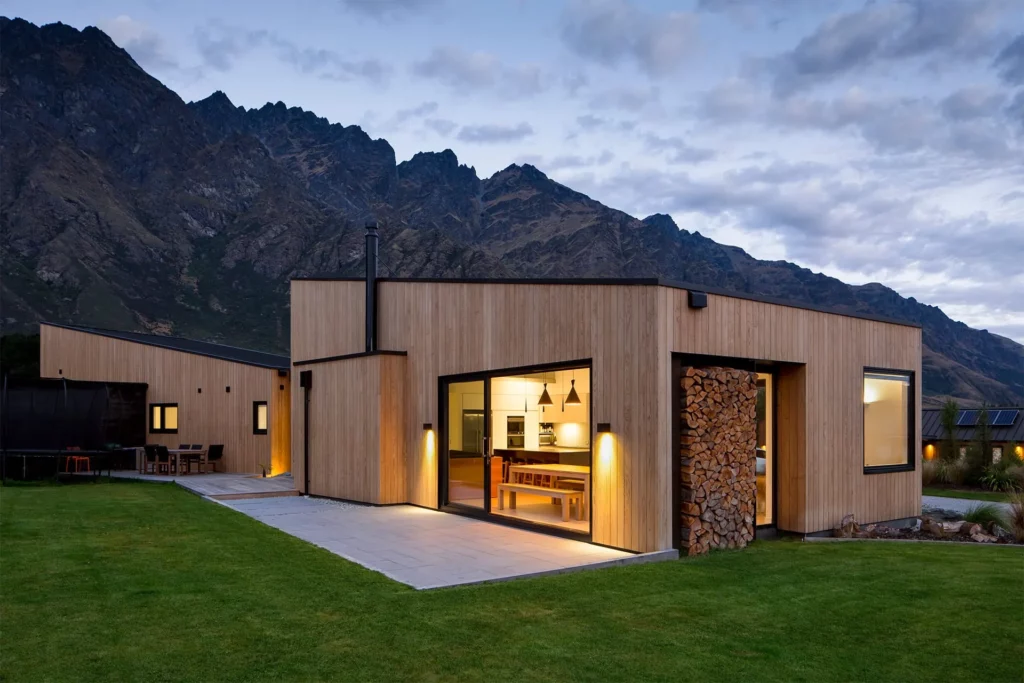
Modified wood cladding undergoes special treatments to improve performance. These treatments may include heat processes or natural modification techniques that change the structure of the wood.
The result is exterior wood cladding that resists swelling, shrinking, and decay better than untreated timber. This type of cladding is ideal for areas with changing weather conditions.
Benefits of Exterior Wood Cladding
Visual Appeal and Design Flexibility
ing enhances the overall look of a building. It can be installed horizontally, vertically, or in custom patterns to suit different architectural styles. This flexibility allows designers to create modern, rustic, or minimalist facades.
Wood also blends well with other materials such as glass, stone, and metal, making it suitable for contemporary construction projects.
Environmental and Sustainability Benefits
Wood stores carbon throughout its life cycle, which helps reduce environmental impact. Exterior wood cladding contributes to greener construction by lowering the carbon footprint of buildings.
Many wood cladding products come from certified forests, ensuring responsible sourcing and long-term environmental benefits.
Technology Used in Modern Exterior Wood Cladding
Ventilated Cladding Systems
d cladding systems often include a ventilated air gap behind the wood panels. This gap allows air to circulate, preventing moisture buildup.
Proper ventilation reduces the risk of mold, rot, and structural damage. It also improves thermal performance by regulating temperature and moisture levels inside the building.
Advanced Surface Treatments
ing is protected using advanced coatings and treatments. These treatments help protect the wood from ultraviolet rays, rain, and biological threats such as fungi and insects.
Factory-applied finishes provide consistent protection and extend the lifespan of the cladding while reducing maintenance needs.
Real-World Exterior Wood Cladding Product Examples
Modified Hardwood Cladding
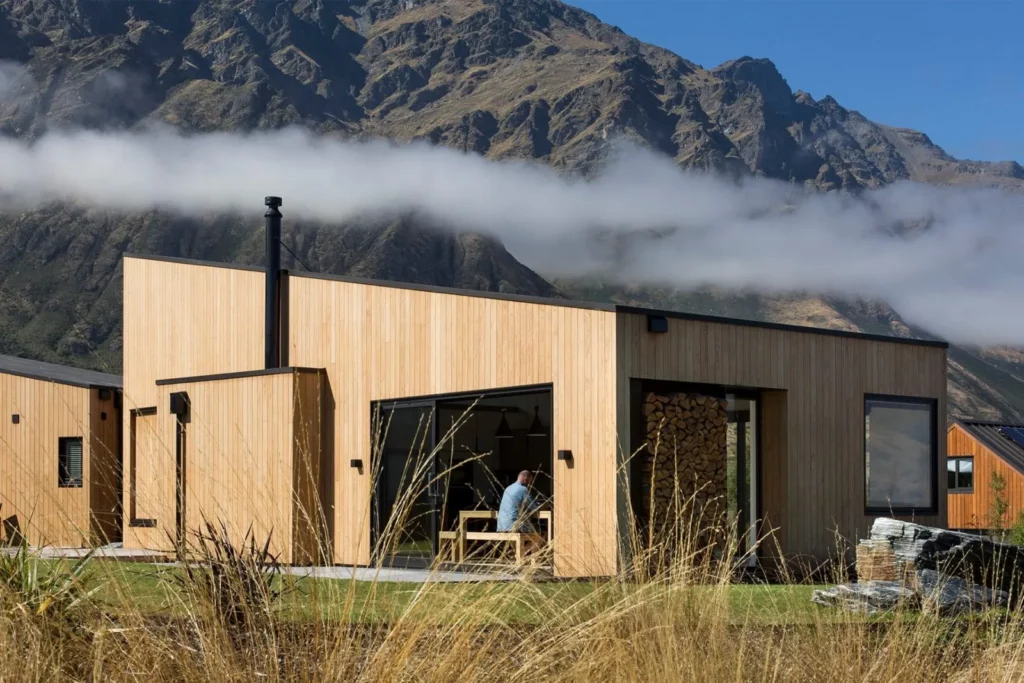
Modified hardwood cladding is designed for high durability and stability. The modification process improves resistance to moisture and decay while maintaining a natural wood appearance.
This type of exterior wood cladding is commonly used in residential and commercial buildings where a long service life is required.
Thermally Treated Wood Cladding
Thermally treated wood cladding is produced using controlled heat and steam. This process changes the wood’s internal structure, improving resistance to water and insects.
It is suitable for modern architectural designs and performs well in extreme weather conditions.
Softwood Exterior Wood Cladding
Softwood cladding made from pine or spruce is a cost-effective solution. When treated properly, it provides reliable protection andan attractive appearance.
This exterior wood cladding option is widely used for residential homes and low-rise buildings.
Cedar Exterior Wood Cladding
Cedar wood cladding is naturally resistant to decay and insects. It is lightweight and easy to install, making it popular for residential and hospitality projects.
Its pleasant aroma and rich color enhance the overall experience of the building exterior.
Engineered Wood Cladding Panels
Engineered wood cladding panels are manufactured to provide consistent quality and appearance. These panels combine wood fibers with modern bonding technology.
They offer uniform design and reduced maintenance compared to traditional timber boards.
Problems Exterior Wood Cladding Solves
Protection Against Weather Damage
Exterior wood cladding protects buildings from rain, wind, and sunlight. It reduces direct exposure of the structural wall to harsh environmental conditions.
This protection extends the lifespan of the building and reduces repair costs.
Enhancing Thermal Comfort
Wood naturally insulates against heat and cold. Exterior wood cladding helps maintain stable indoor temperatures throughout the year.
This reduces energy usage and improves comfort for occupants.
Benefits of Using Specific Exterior Wood Cladding Products
Reduced Maintenance Over Time
Modern exterior wood cladding products are designed for long-term performance. Treated and modified wood requires less frequent repainting or sealing.
This saves time and money over the life of the building.
Increased Property Value
Buildings with exterior wood cladding often have higher market value. The natural appearance and durability appeal to buyers and investors.
This makes wood cladding a strong investment choice.
How to Buy Exterior Wood Cladding
Choosing the Right Exterior Wood Cladding
Selecting the right exterior wood cladding depends on climate, design goals, and maintenance expectations. Some wood types are better for humid areas, while others perform best in dry climates.
Consulting with professionals helps ensure the correct choice for long-term performance.
Where Exterior Wood Cladding Is Commonly Purchased
Exterior wood cladding is typically purchased from building material suppliers, manufacturers, or specialty wood distributors. These suppliers offer technical guidance and product support.
Professional installation services are often recommended to ensure proper performance.
Frequently Asked Questions
How long does exterior wood cladding last?
High-quality exterior wood cladding can last between 30 and 50 years with proper installation and care.
Is exterior wood cladding suitable for modern architecture?
Yes, exterior wood cladding is widely used in modern architecture due to its clean lines and natural appearance.
Does exterior wood cladding work in extreme weather?
With the right wood type and treatment, exterior wood cladding performs well in hot, cold, and humid climates.