External Wall Cladding Systems: Easy Guide to Materials, Benefits, Uses, and Buying Solutions
External wall cladding is one of the most important elements in modern construction and renovation. It works as the outer protective layer of a building while also improving its appearance. Many homes, offices, apartments, and commercial buildings use external wall cladding to protect walls from weather, improve insulation, and create a modern architectural look.
As buildings face stronger weather conditions, rising energy costs, and higher design expectations, external wall cladding systems provide a practical and long-term solution. With many materials and technologies available today.
Understanding External Wall Cladding
What External Wall Cladding Means
Refers to materials that are installed on the outside surface of a building. These materials do not carry the main structural load but act as a protective and decorative layer. The cladding system shields the building from rain, wind, sunlight, pollution, and temperature changes. can be applied to both new buildings and existing structures. It is often combined with insulation and ventilation layers, which help improve energy efficiency and moisture control. This makes cladding systems suitable for many building types and climates.
Why External Wall Cladding Is Important
Without external wall cladding, building walls are directly exposed to harsh environmental conditions. Over time, this exposure can cause cracks, dampness, fading, and material damage.
External wall cladding reduces these risks by creating a protective barrier. At the same time, it improves the visual appearance of the building, allowing owners and architects to choose modern or classic designs without changing the main structure.
Common Types of External Wall Cladding Materials
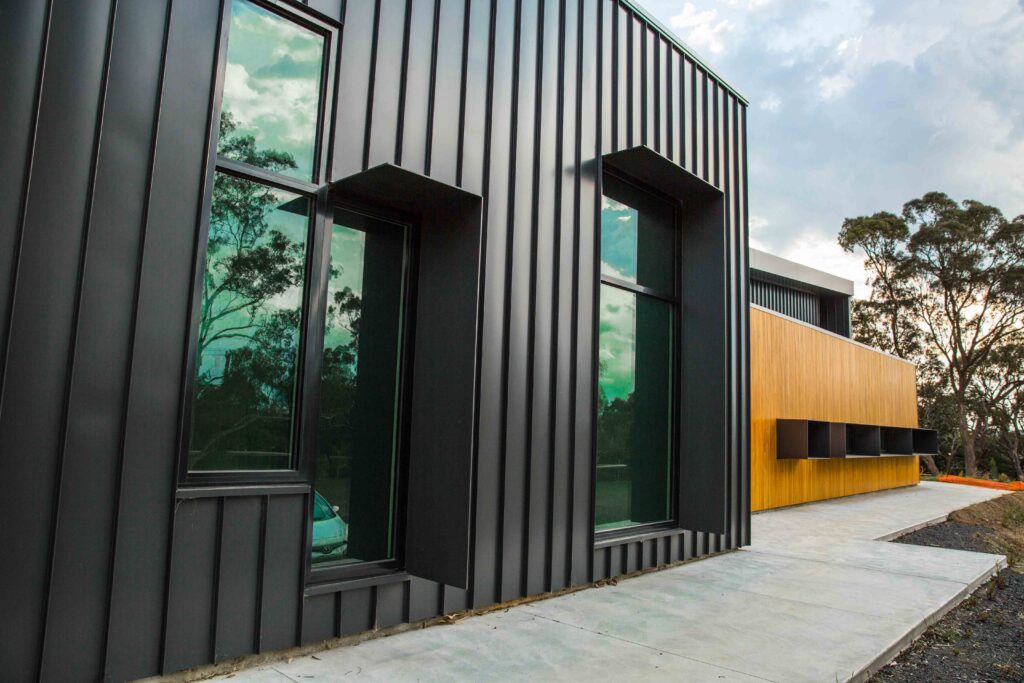
Metal External Wall Cladding
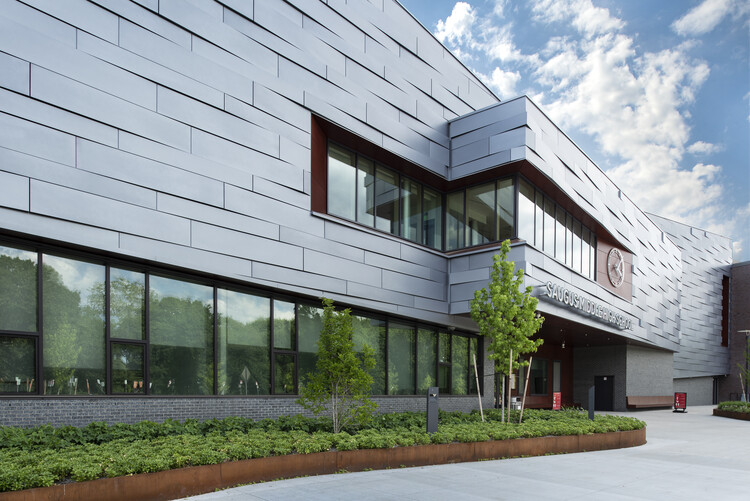
Metal cladding is made from materials such as aluminum, steel, zinc, or copper. These materials are strong, durable, and resistant to weather damage. Metal cladding is often used in commercial and industrial buildings because it requires low maintenance and has a clean, modern look.
Modern metal cladding panels are treated with protective coatings to prevent corrosion and color fading. This makes them suitable for both coastal and urban environments where pollution and moisture are common.
Fiber Cement and Composite Cladding
Fiber cement cladding is made from a mixture of cement, fibers, and minerals. This combination creates a strong and lightweight panel that resists fire, moisture, and insects.
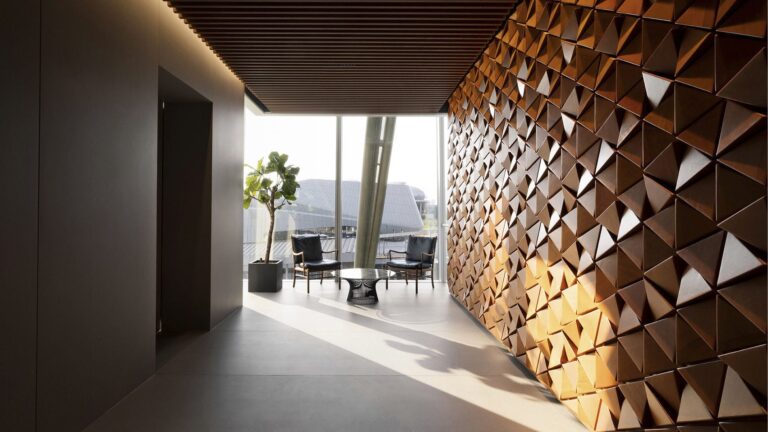
Composite cladding systems can imitate the look of wood, stone, or concrete while offering better durability. These materials are popular in residential and mixed-use buildings because they balance appearance, safety, and performance.
Benefits of External Wall Cladding
Protection Against Weather and Damage
One of the biggest benefits of external wall cladding is protection. It shields the building from rain, wind, UV rays, and temperature changes. Without cladding, walls can absorb moisture and slowly deteriorate.
By protecting the main wall structure, external wall cladding extends the life of the building. This reduces long-term repair costs and helps maintain structural stability.
Better Energy Efficiency and Comfort
External wall cladding systems often include insulation layers that help control indoor temperatures. In cold weather, they reduce heat loss. In hot weather, they limit heat entering the building.
This improved thermal performance reduces energy consumption for heating and cooling. As a result, buildings become more comfortable and energy-efficient, saving money over time.
Technology Used in Modern External Wall Cladding
Ventilated and Rainscreen Systems
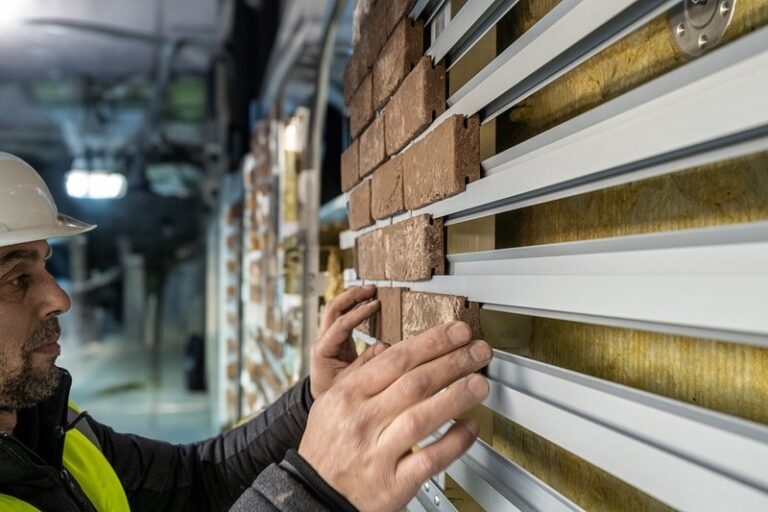
Many modern external wall cladding systems use ventilated or rainscreen technology. This design creates an air gap between the cladding and the wall.
The air gap allows moisture to escape and helps regulate temperature. This reduces condensation, mold growth, and moisture-related damage. Ventilated systems are especially useful in humid or rainy climates.
Fire Safety and Sustainable Materials
Fire safety is a major concern in building design. products are developed using fire-resistant or non-combustible materials to meet safety regulations.
Sustainability is also important. Many cladding systems are made from recyclable materials and manufactured using environmentally responsible processes. This supports green building goals and reduces environmental impact.
Real-World External Wall Cladding Product Examples
Trespa High-Pressure Laminate Cladding
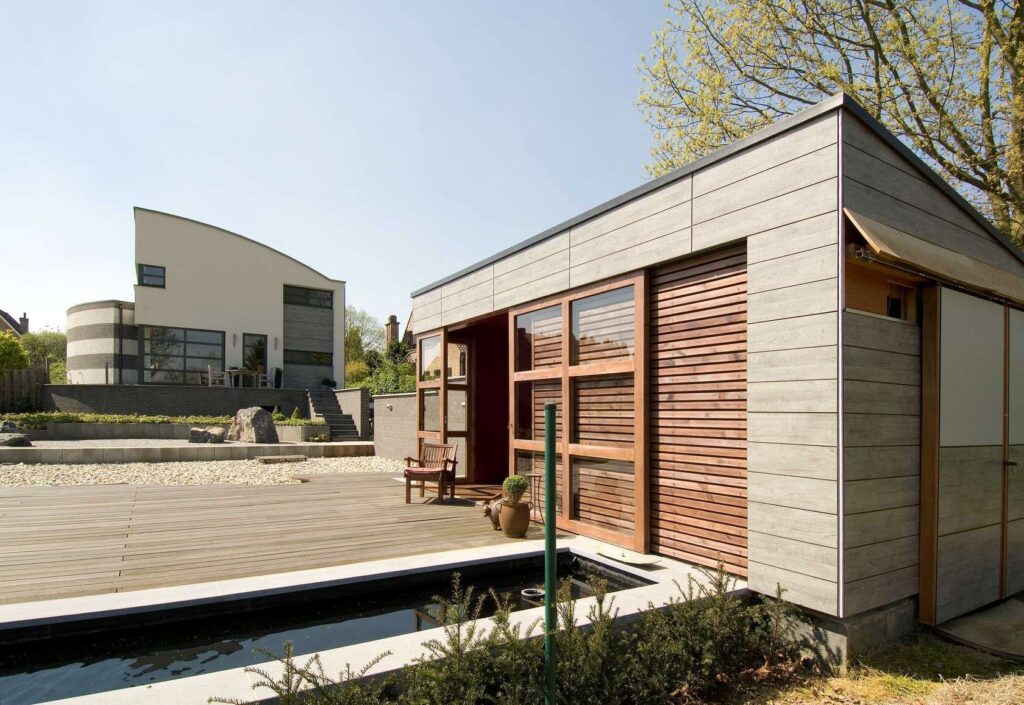
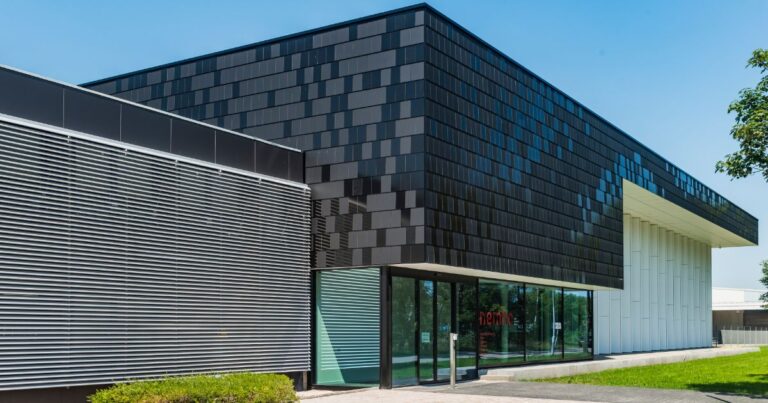
Trespa external wall cladding panels are made using high-pressure laminate technology. These panels are known for their strength, color stability, and resistance to weather.
They are widely used in schools, hospitals, offices, and residential buildings. Trespa panels maintain their appearance for many years with minimal maintenance.
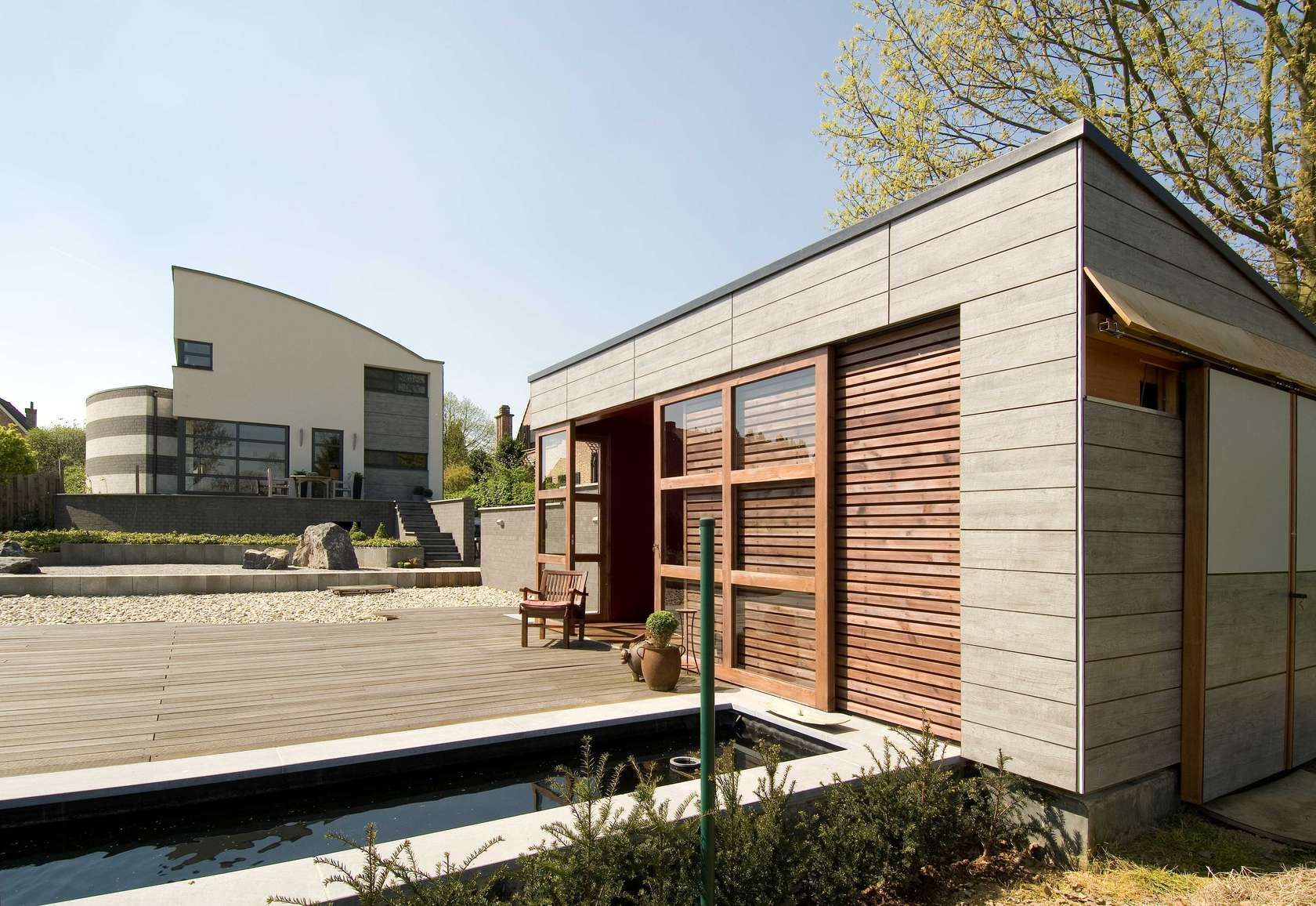
EQUITONE Fiber Cement Cladding Panels
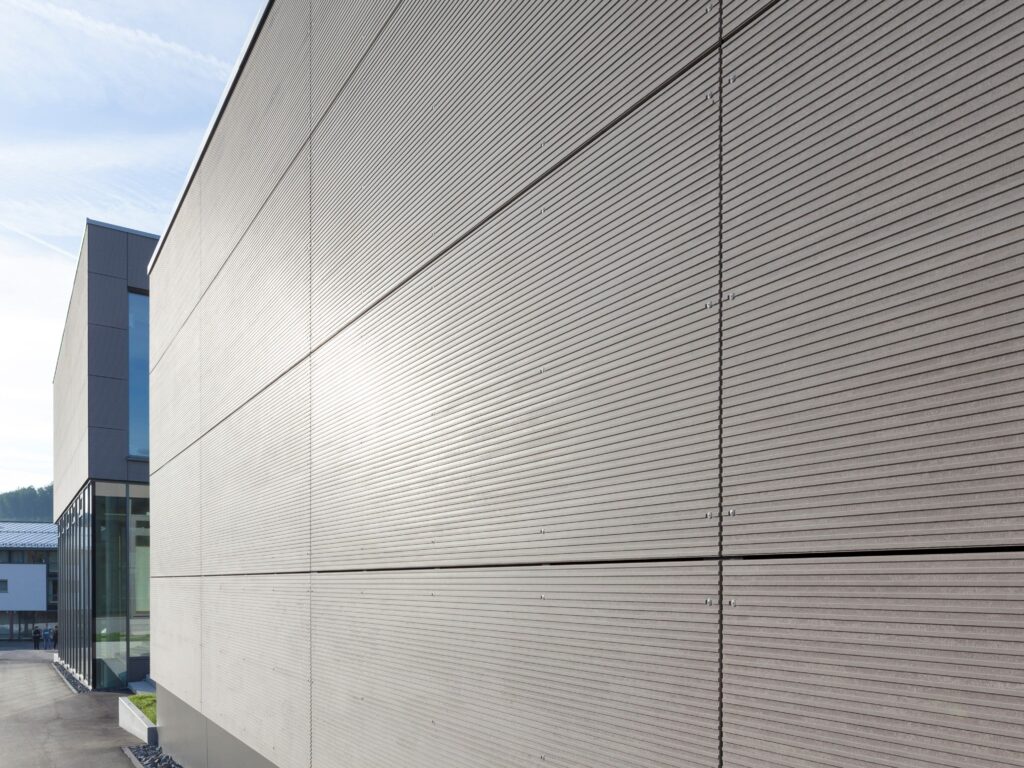
EQUITONE fiber cement cladding panels offer a natural and textured surface. They are made from cement and reinforcing fibers, which provide fire resistance and durability.
These panels are often chosen for modern architectural designs where safety and long-term performance are important. They perform well in different weather conditions.
ALUCOBOND Aluminum Composite Cladding
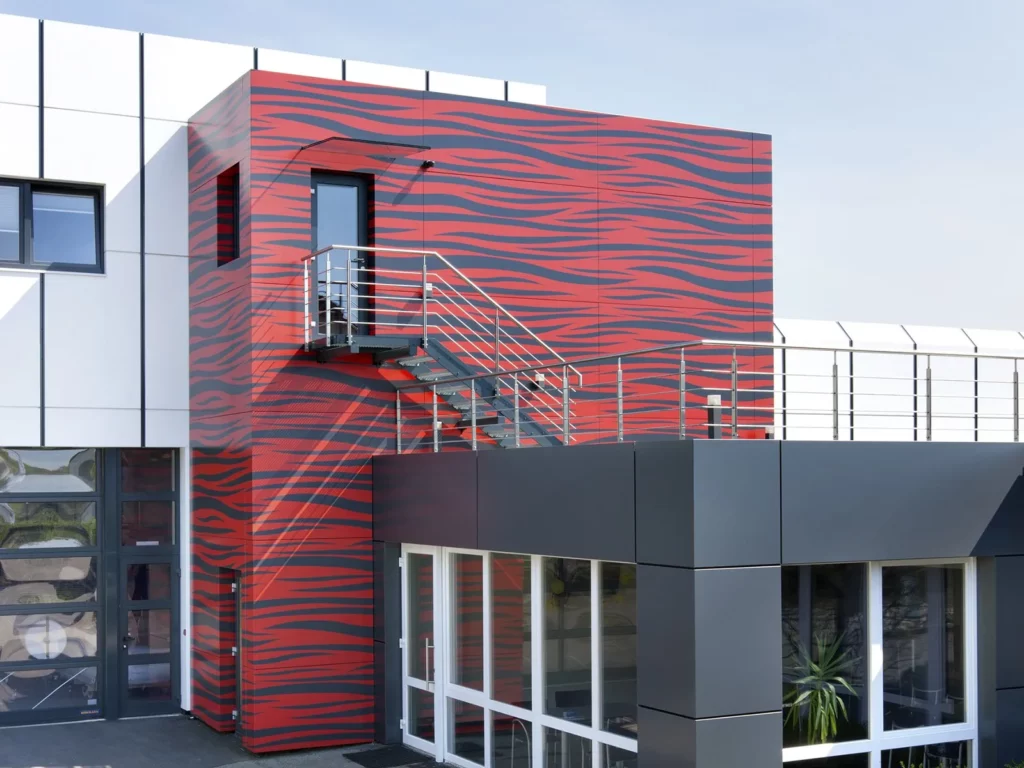
ALUCOBOND external wall cladding panels consist of aluminum sheets bonded to a composite core. This structure creates lightweight yet strong panels.
ALUCOBOND panels are commonly used in high-rise buildings and commercial projects. They offer a smooth finish and a wide range of design options.
Kingspan Insulated Wall Cladding Systems
Kingspan insulated systems combine with built-in insulation. This improves thermal performance and simplifies installation.
These systems are often used in energy-efficient buildings and industrial facilities where temperature control is critical.
Rockpanel Stone Wool Cladding
Rockpanel cladding is made from compressed stone wool. It offers fire resistance, durability, and flexibility in design.
Rockpanel systems are suitable for residential, commercial, and public buildings. They are lightweight and easy to install while meeting high safety standards.
Problems External Wall Cladding Solves
Moisture and Weather-Related Problems
Buildings without proper exterior protection often experience water leaks, damp walls, and mold growth. prevents direct contact between rain and the main wall.
By controlling moisture movement, cladding systems protect insulation and interior spaces, improving indoor air quality and building durability.
Outdated or Damaged Building Appearance
Older buildings may look worn due to faded paint, cracks, or uneven surfaces. provides an effective solution to refresh and modernize facades.
This improves the visual appeal of the building and can increase its market value without the need for major reconstruction.
Benefits of Using High-Quality External Wall Cladding Products
Long-Term Reliability and Low Maintenance
High-quality cladding products are designed to last for decades. They resist fading, cracking, and environmental damage.
This reduces maintenance needs and gives building owners confidence in long-term performance and cost control.
Design Flexibility and Architectural Freedom
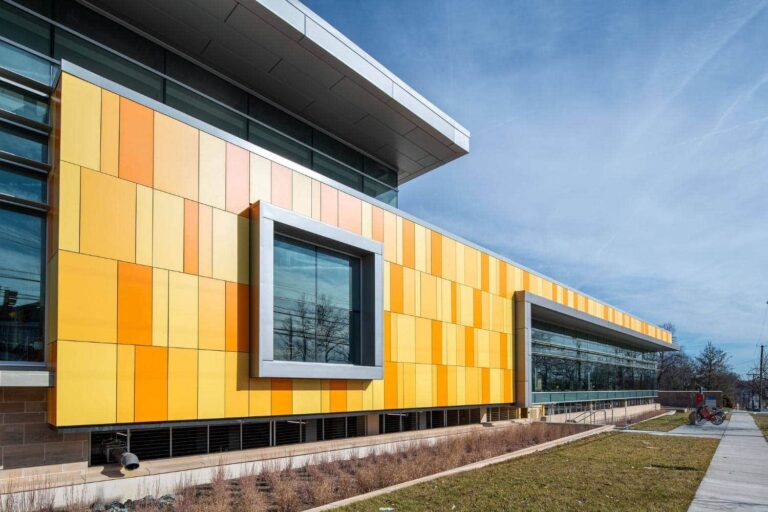
systems come in many colors, textures, and panel sizes. This allows architects to create unique designs and meet branding requirements.
Design flexibility makes cladding suitable for both modern and traditional buildings.
How to Buy External Wall Cladding
Choosing the Right External Wall Cladding System
When selecting external wall cladding, buyers should consider climate conditions, building type, fire regulations, and design goals. Not all cladding materials perform the same in every environment.
Professional consultation helps ensure the chosen system meets safety, performance, and aesthetic requirements.
Where to Buy External Wall Cladding
products are available from manufacturers, building material suppliers, and construction specialists. Many suppliers offer technical support and installation guidance.
Choosing trusted products and experienced suppliers ensures quality and long-term satisfaction.
Frequently Asked Questions
How long does external wall cladding last?
High-quality external wall cladding can last 30 years or more when installed correctly and maintained properly.
Is external wall cladding suitable for homes?
Yes, is widely used in residential buildings to improve insulation, protection, and appearance.
Does external wall cladding help reduce energy costs?
Yes, cladding systems with insulation improve thermal efficiency and reduce heating and cooling costs.