House Exterior Improvement Solutions for Modern Homes
House exterior improvement is one of the most important investments a homeowner can make. The exterior of a house is not only about appearance, but also about protection, comfort, and long-term durability. A well-designed and well-maintained exterior shields the house from weather, controls temperature, and creates a strong first impression.
In modern housing, house exterior improvement combines design, advanced materials, and construction technology. Homeowners today look for solutions that improve energy efficiency, reduce maintenance, and increase property value. This article explains everything you need to know about house exterior improvement, from core components and materials to benefits, technology, real-world product examples, use cases, and buying guidance.
Understanding House Exterior Improvement
What Is House Exterior Improvement?
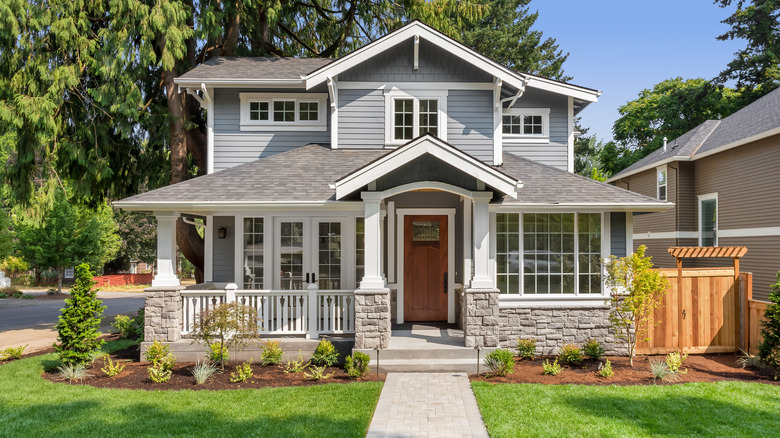
House exterior improvement refers to upgrading, replacing, or enhancing the outer parts of a home. This includes walls, siding, doors, windows, roofing elements, trims, and protective finishes. The goal is to improve both performance and appearance.
Unlike interior upgrades, exterior improvements must handle constant exposure to sun, rain, wind, humidity, and temperature changes. Because of this, materials and installation quality play a critical role in long-term success.
Why Exterior Improvement Is Essential for Homes
Over time, exterior materials degrade due to weather and environmental factors. Paint fades, wood rots, seals crack, and insulation weakens. These issues can lead to higher energy bills, water damage, and reduced comfort.
House exterior improvement addresses these problems by replacing outdated materials with modern solutions designed for durability, insulation, and protection. It also refreshes the overall look of the home, making it more attractive and valuable.
Core Elements of House Exterior Improvement
Exterior Wall Systems and Cladding
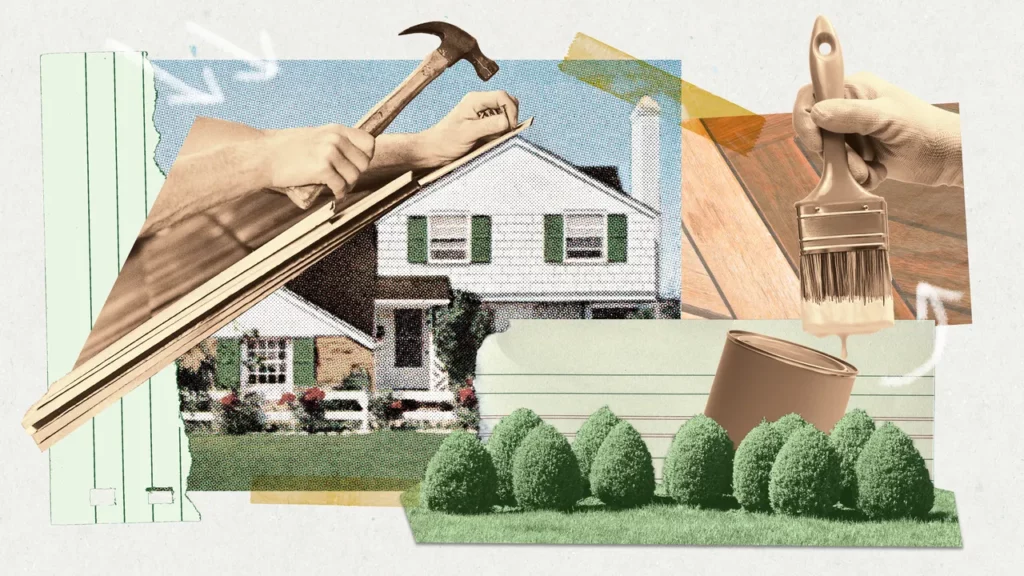
Exterior wall systems form the main protective barrier of a house. Modern cladding materials are designed to resist moisture, insects, and UV damage while maintaining a clean appearance.
Common exterior wall materials include fiber cement, composite panels, engineered wood, and vinyl-based systems. These materials are lighter, stronger, and more consistent than traditional options, making them ideal for long-term exterior improvement.
Exterior Doors and Entry Systems
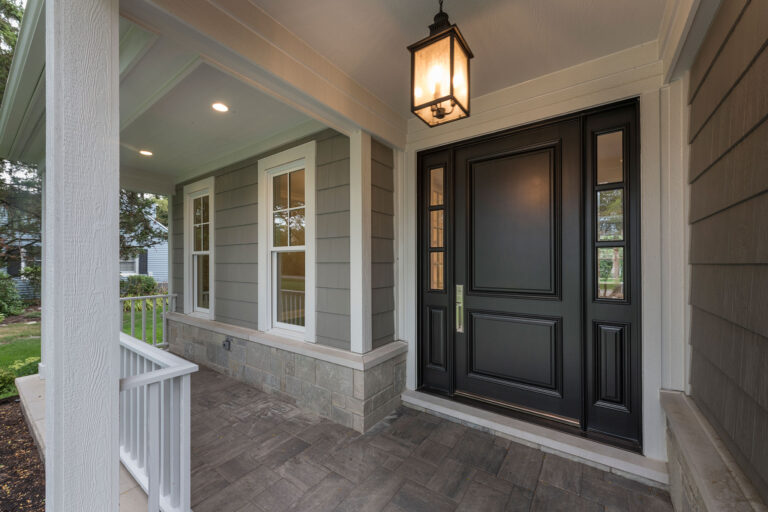
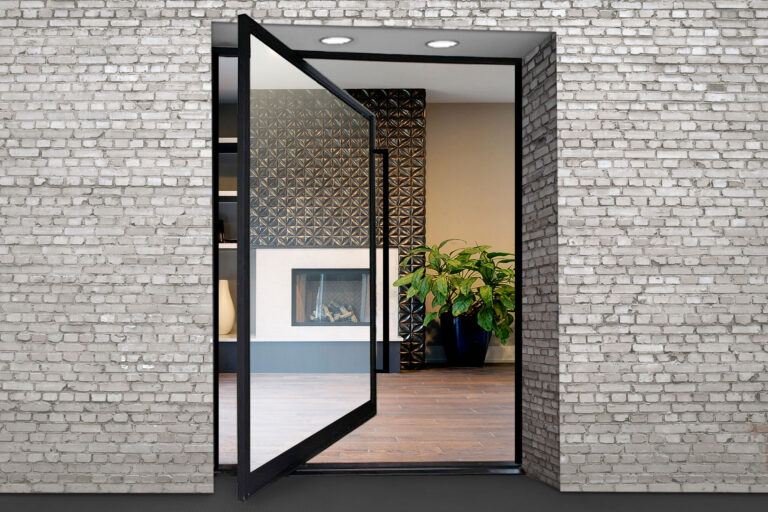
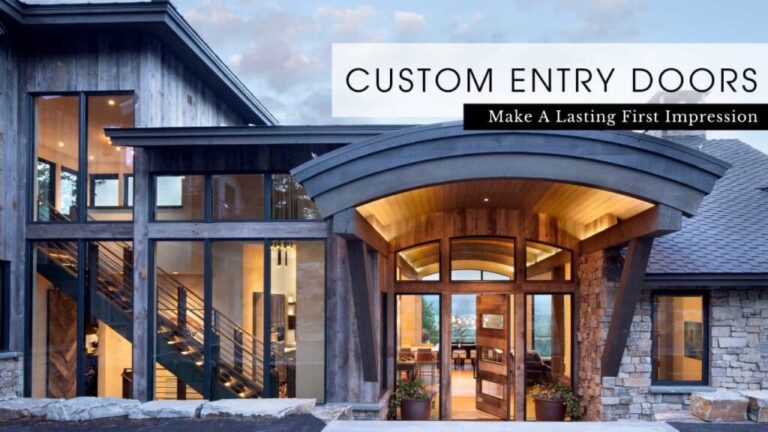
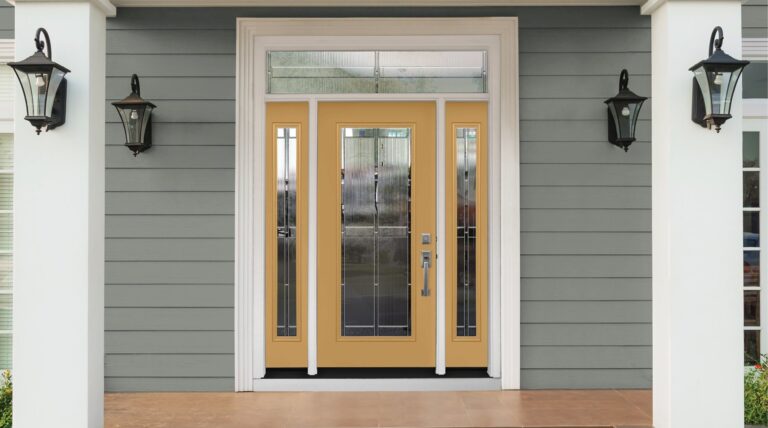
Exterior doors are a critical part of house exterior improvement. They provide security, insulation, and visual impact. A strong entry door helps prevent air leaks and protects against forced entry.
Modern exterior doors are built with insulated cores, reinforced frames, and weather-resistant surfaces. These features improve both comfort and safety while enhancing curb appeal.
Windows and Exterior Openings
Windows connect the interior of a home with the outside environment. Upgrading windows is a key part of exterior improvement because old windows often allow heat loss, drafts, and noise.
Modern exterior windows use insulated glass and durable frames to improve thermal performance and reduce outside noise. They also enhance natural lighting while maintaining indoor temperature stability.
Technology Used in Modern House Exterior Improvement
Energy Efficiency and Insulation Technology
Energy efficiency is one of the biggest priorities in modern house exterior improvement. Advanced insulation materials reduce heat transfer between the inside and outside of the home.
Exterior wall systems, doors, and windows now work together as a complete thermal barrier. This reduces the need for heating and cooling systems to work constantly, leading to lower energy costs and improved comfort.
Weather Resistance and Surface Protection
Exterior improvement products use advanced surface coatings and sealed construction systems. These technologies protect against rain penetration, UV exposure, and temperature changes.
Breathable membranes and moisture-resistant layers allow water vapor to escape while blocking liquid water, preventing mold and structural damage.
Benefits of House Exterior Improvement
Enhanced Home Protection
One of the main benefits of house exterior improvement is increased protection. Modern materials are designed to handle extreme weather conditions, including heavy rain, strong wind, and intense sunlight.
This protection reduces the risk of leaks, cracks, and long-term structural damage, keeping the home safe and stable for many years.
Improved Energy Efficiency
Exterior improvements reduce air leaks and thermal loss. Insulated walls, doors, and windows help maintain indoor temperature more effectively.
As a result, homeowners experience improved comfort and reduced energy consumption throughout the year.
Increased Property Value
A well-improved house exterior increases curb appeal and market value. Buyers are more attracted to homes that look modern, clean, and well-maintained.
Exterior improvement is one of the most cost-effective ways to increase resale value and buyer interest.
Real-World Product Examples for House Exterior Improvement
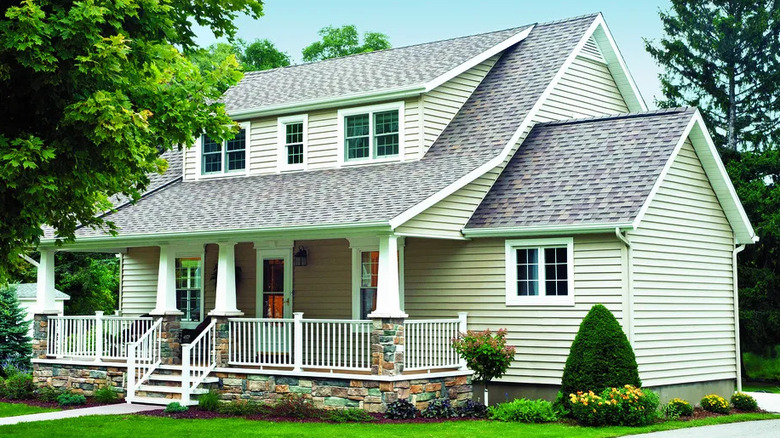
Fiber Cement Exterior Wall Panels
Fiber cement panels are widely used in house exterior improvement due to their strength and durability. They resist moisture, insects, and fire while maintaining a consistent appearance.
These panels require minimal maintenance and can be finished in various styles to match different architectural designs.
Insulated Composite Entry Door
Composite entry doors combine multiple materials to achieve strength, insulation, and design flexibility. They are engineered to resist warping, cracking, and weather damage.
These doors improve security and reduce heat loss, making them ideal for exterior upgrades.
Energy-Efficient Exterior Window System
Modern window systems use insulated glass units and durable frames to improve thermal and acoustic performance. They reduce heat transfer and outside noise.
These windows enhance comfort while allowing natural light into the home.
Architectural Exterior Cladding Panels
Architectural cladding panels are used to create modern, clean exterior designs. They offer consistent quality and long-term durability.
These panels are often chosen for their low maintenance requirements and design versatility.
Weather-Resistant Exterior Coating System
Exterior coating systems protect surfaces from UV exposure, moisture, and temperature changes. They also refresh the appearance of the house.
High-quality coatings extend the lifespan of exterior materials and reduce maintenance frequency.
Practical Use Cases of House Exterior Improvement
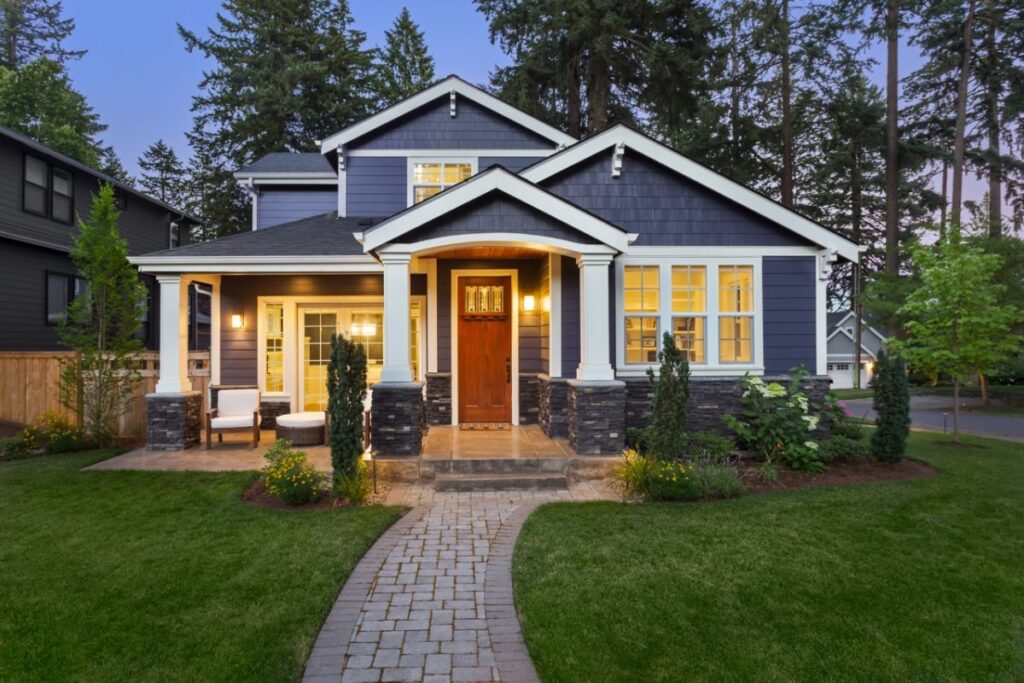
Reducing Energy Loss in Older Homes
Many older homes suffer from poor insulation and outdated materials. Exterior improvement addresses these issues by upgrading wall systems, doors, and windows.
This significantly reduces energy loss and improves indoor comfort.
Preventing Moisture and Structural Damage
Water infiltration is a major cause of exterior damage. Modern exterior systems use sealed joints and protective layers to block moisture.
This prevents mold growth, rot, and long-term structural problems.
Modernizing Home Appearance
House exterior improvement allows homeowners to update outdated designs without rebuilding the entire structure. New materials and finishes create a fresh, modern look.
This is especially useful for increasing property value before selling.
How to Choose the Right House Exterior Improvement Products
Key Factors to Consider
When choosing exterior improvement products, homeowners should consider climate conditions, durability, maintenance needs, and overall design compatibility.
Products should be selected based on long-term performance rather than short-term cost.
Importance of Proper Installation
Even the best materials require correct installation to perform well. Improper installation can lead to leaks, insulation failure, and early damage.
Professional installation ensures that products deliver their full benefits and last longer.
How and Where to Buy House Exterior Improvement Solutions
House exterior improvement products can be purchased through home improvement suppliers, building material distributors, and professional contractors.
Homeowners should look for products with clear performance specifications, durability ratings, and warranty coverage. Many suppliers also offer consultation and installation services.
Choosing the right supplier and installer ensures long-term satisfaction and performance.
Why House Exterior Improvement Is a Long-Term Investment
House exterior improvement delivers multiple benefits at once. It improves protection, reduces energy costs, enhances comfort, and increases property value.
Over time, these benefits outweigh the initial cost, making exterior improvement a smart and sustainable investment for homeowners.
Frequently Asked Questions
How long does a house exterior improvement last?
Most modern exterior improvement solutions last between 20 and 40 years, depending on materials, climate, and maintenance.
Does exterior improvement really reduce energy costs?
Yes. Upgraded wall systems, doors, and windows significantly reduce heat loss and improve energy efficiency.
Is house exterior improvement worth the investment?
For most homeowners, exterior improvement offers strong long-term value through lower maintenance costs, energy savings, and increased resale potential.