Aluminum Rainscreen Cladding System: Benefits, Applications, Products, and Buying Guide
The aluminum rainscreen cladding system has become a preferred exterior wall solution in modern construction due to its superior moisture control, durability, and architectural flexibility. As buildings face increasing demands for energy efficiency, sustainability, and long-term performance, traditional wall systems often fall short.
This system is widely adopted in commercial buildings, residential developments, healthcare facilities, educational institutions, and large infrastructure projects. Its ability to manage moisture, enhance thermal performance, and protect structural components makes it a valuable investment for building owners and developers.
This article provides an in-depth explanation of aluminum rainscreen cladding systems, their technology, benefits, real-world product examples, practical use cases, and a complete guide on how and where to buy them.
Aluminum Rainscreen Cladding System Explained
Definition and System Structure
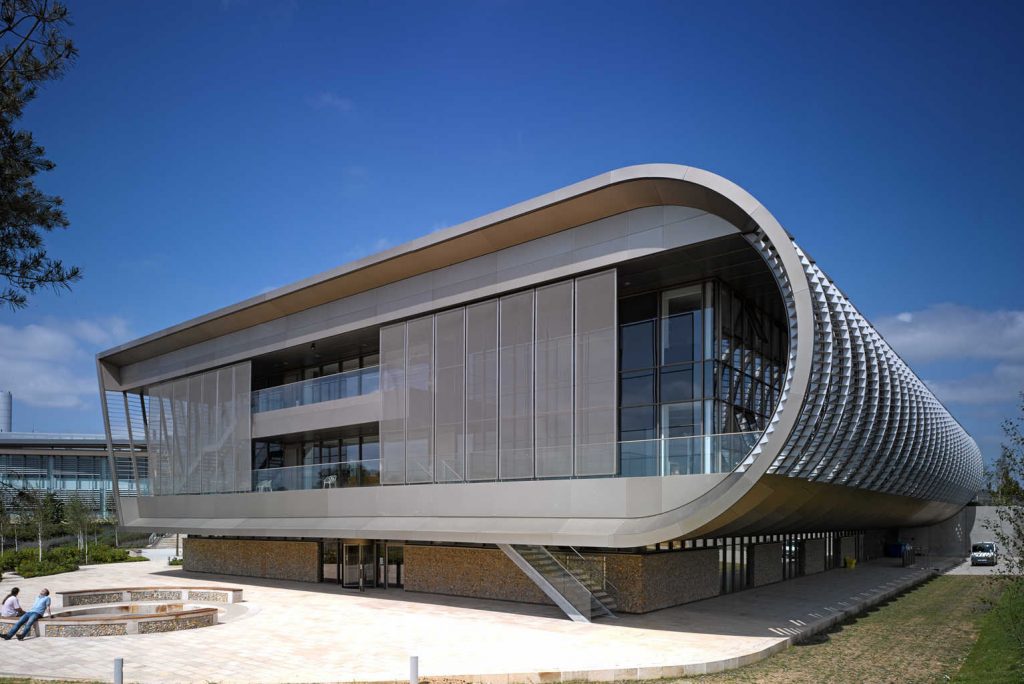
An aluminum rainscreen cladding system is a multi-layer façade assembly designed to protect buildings from external environmental elements while allowing controlled ventilation behind the exterior surface. Instead of relying on a single barrier to stop water and air penetration, the system separates the exterior cladding from the main structural wall.
The system typically includes aluminum cladding panels, an aluminum subframe, thermal insulation, and a ventilated cavity. Each layer plays a specific role in managing moisture, regulating temperature, and maintaining structural integrity.
Aluminum is chosen for its lightweight properties, resistance to corrosion, and long service life. These characteristics make it suitable for both low-rise and high-rise buildings where performance and safety are critical.
Ventilated Facade Working Principle
The ventilated facade concept is based on pressure moderation and airflow control. The outer aluminum panels deflect most rainwater, while any moisture that penetrates through joints enters the cavity behind the panels.
This cavity allows air to circulate freely, enabling moisture to evaporate naturally and drain downward. By preventing water from becoming trapped within the wall assembly, the system significantly reduces the risk of mold growth, insulation degradation, and structural damage.
The aluminum components remain stable under temperature changes and environmental exposure, ensuring consistent performance over decades.
Key Benefits of Aluminum Rainscreen Cladding Technology
Advanced Moisture Management and Wall Protection
Moisture intrusion is one of the most common causes of façade failure. Conventional wall systems often trap moisture, leading to deterioration of insulation, corrosion of structural elements, and unhealthy indoor conditions.
An aluminum rainscreen cladding system addresses this problem by creating a dedicated drainage and ventilation path. Moisture is safely redirected away from the building envelope, allowing walls to remain dry and functional.
This benefit is especially important in regions with heavy rainfall, high humidity, or fluctuating temperatures, where moisture-related damage can significantly increase maintenance costs.
Enhanced Energy Efficiency and Thermal Stability
Another major benefit of aluminum rainscreen cladding systems is improved thermal performance. Dry insulation performs significantly better than wet insulation, maintaining its thermal resistance and reducing energy loss.
The ventilated cavity also helps regulate surface temperatures by reducing heat buildup during hot weather and minimizing heat loss during colder seasons. This stabilizes indoor temperatures and reduces reliance on heating and cooling systems.
Over time, this results in lower energy consumption, reduced operating costs, and improved occupant comfort.
Real-World Aluminum Rainscreen Cladding Products
Alucobond Plus Aluminum Composite Panels
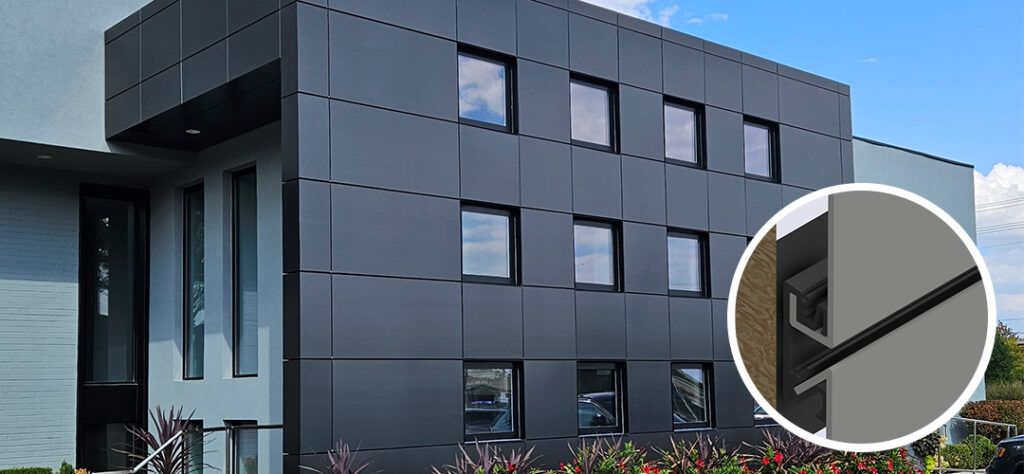
Alucobond Plus aluminum composite panels are widely recognized in architectural rainscreen applications. The panels consist of aluminum sheets bonded to a mineral-filled core, offering excellent flatness, rigidity, and fire performance.
These panels are frequently used in commercial buildings, transportation hubs, and cultural facilities where aesthetic consistency and durability are essential. Their lightweight construction reduces structural load while maintaining resistance to wind and environmental stress.
The product enhances facade longevity, reduces maintenance requirements, and supports complex architectural designs.
Reynobond Aluminum Rainscreen Panels
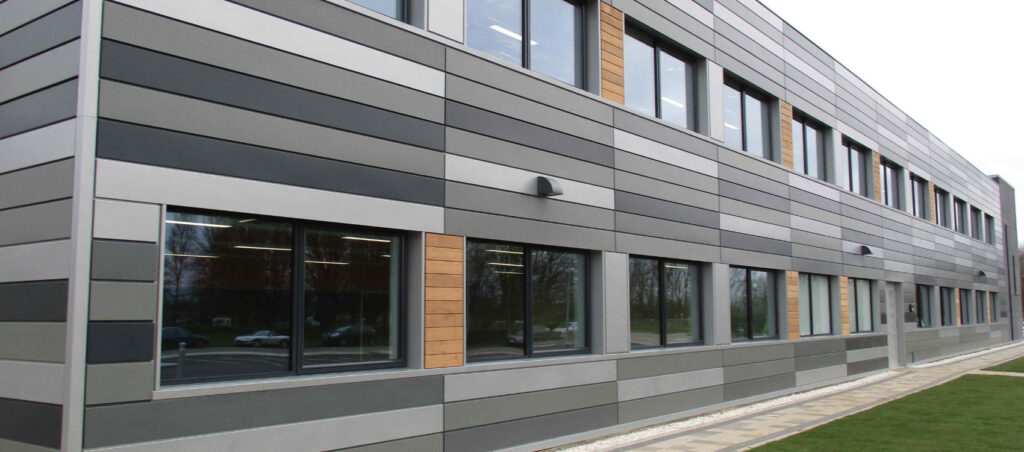
Reynobond aluminum composite panels are engineered for high-performance building envelopes. They are known for precise manufacturing standards and durable surface finishes that resist fading, pollution, and ultraviolet exposure.
These panels are commonly used in corporate offices, hospitals, and educational institutions. When integrated into an aluminum rainscreen system, they provide reliable moisture control and long-term aesthetic stability.
Reynobond panels help address issues related to thermal expansion, panel deformation, and environmental wear.
Trespa Meteon Panels with Aluminum Support Systems
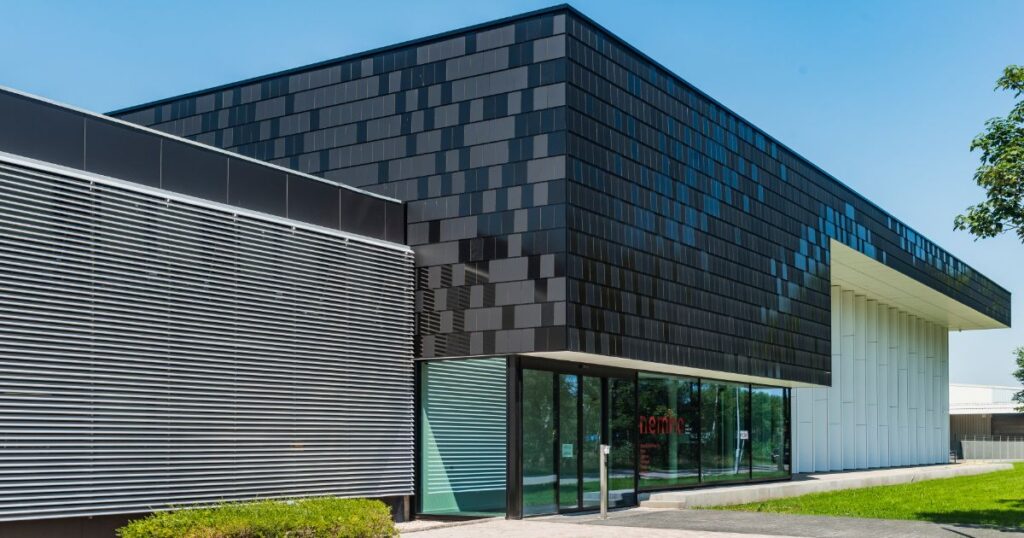
Trespa Meteon panels are often installed within aluminum rainscreen cladding frameworks. Although the panels are made from high-pressure laminate, aluminum support systems enhance their performance by ensuring proper ventilation and structural stability.
This combination is frequently used in residential developments and public buildings where durability, color retention, and low maintenance are priorities. The aluminum substructure maintains consistent cavity depth and alignment.
The system solves common façade problems such as warping, moisture staining, and uneven aging.
Kingspan Aluminum Rainscreen Systems
Kingspan aluminum rainscreen systems include support brackets, rails, and insulation solutions designed to work as a complete façade assembly. These systems focus on reducing thermal bridging and improving installation accuracy.
They are widely used in commercial and industrial buildings where energy performance and regulatory compliance are critical. The aluminum components ensure durability and consistent ventilation across the façade.
Using integrated systems helps minimize construction errors and ensures predictable long-term performance.
Sotech Aluminum Rainscreen Cladding Solutions
Sotech aluminum rainscreen cladding solutions are designed for large-scale and complex building projects. Their systems emphasize concealed fixings, structural strength, and clean architectural lines.
These solutions are commonly specified for office towers, transport infrastructure, and mixed-use developments where wind resistance and façade uniformity are essential.
The systems address challenges related to façade movement, thermal expansion, and high-rise installation conditions.
Practical Use Cases and Problems Solved
Preventing Moisture Damage and Mold Formation
Buildings without ventilated facades often experience trapped moisture within wall assemblies. This can lead to mold growth, poor indoor air quality, and long-term structural damage.
Aluminum rainscreen cladding systems prevent these issues by enabling continuous airflow behind the exterior panels. Moisture evaporates naturally, keeping the wall system dry and healthy.
This makes the system particularly suitable for healthcare facilities, schools, residential buildings, and humid environments.
Reducing Maintenance and Extending Building Lifespan
Traditional exterior finishes require frequent repairs, repainting, and sealing. Aluminum rainscreen cladding systems significantly reduce these maintenance needs because aluminum does not rot, crack, or corrode.
By extending the lifespan of the building envelope, owners benefit from lower maintenance costs and improved asset value. This makes aluminum rainscreen systems a long-term investment rather than a short-term solution.
How to Buy Aluminum Rainscreen Cladding Systems
Selecting the Right System for Your Project
Choosing the correct aluminum rainscreen cladding system requires evaluating building type, climate exposure, fire safety requirements, and design objectives. High-rise and commercial buildings often require certified fire-rated panels and tested support systems.
Working with façade consultants or system manufacturers helps ensure compatibility between panels, substructures, insulation, and fixing methods.
Where to Buy and Procurement Options
Aluminum rainscreen cladding systems are typically purchased directly from manufacturers, authorized distributors, or specialized façade contractors. Buying from official sources ensures access to technical support, warranties, and compliance documentation.
For large projects, suppliers often provide custom fabrication, engineering assistance, and installation guidance to ensure optimal performance.
Frequently Asked Questions
Is an aluminum rainscreen cladding system suitable for all climates?
Yes, aluminum rainscreen cladding systems perform well in a wide range of climates, including humid, coastal, and extreme temperature environments. Their ventilated design prevents moisture buildup and thermal stress.
How long does an aluminum rainscreen cladding system last?
When properly installed and maintained, aluminum rainscreen cladding systems can last 40 to 50 years or longer. Aluminum’s resistance to corrosion and weathering ensures long-term durability.
Is aluminum rainscreen cladding worth the investment?
Although the initial cost may be higher than traditional cladding, the long-term benefits of reduced maintenance, improved energy efficiency, and extended lifespan make it a cost-effective solution.