Architectural Zinc Cladding System: Benefits, Applications, Products, and Buying Guide
Zinc cladding has earned a strong reputation as one of the most durable and visually refined materials used in modern architecture. When applied as an architectural zinc cladding system, it becomes more than an exterior finish—it functions as a complete façade solution designed to protect buildings, improve performance, and enhance architectural identity over decades.
Zinc cladding is widely used in residential housing, commercial buildings, cultural landmarks, and public infrastructure. Its natural aging process, minimal maintenance requirements, and environmental benefits make it especially attractive for long-term construction projects.
This article provides a comprehensive explanation of architectural zinc cladding systems, including how they work, their technological advantages, real-world product examples, detailed use cases, and practical guidance on how and where to buy them.
Architectural Zinc Cladding System Overview
Definition and System Composition
An architectural zinc cladding system is a façade assembly that uses zinc panels as the external protective layer, installed over a substructure with insulation and ventilation components. Unlike decorative wall finishes, zinc cladding systems are engineered to perform as part of the building envelope.
The system typically consists of zinc panels, fixing methods such as standing seams or cassette systems, a supporting framework, insulation layers, and a ventilated cavity. Each element contributes to moisture control, thermal stability, and structural protection.
Zinc used in architectural applications is alloyed with small amounts of titanium and copper. This improves mechanical strength, flexibility, and resistance to environmental stress while preserving zinc’s natural corrosion resistance.
How Zinc Cladding Technology Works
Zinc cladding systems are most commonly designed as ventilated façades. The zinc panels are mounted in a way that allows air to circulate behind the façade, creating a continuous airflow path.
This ventilation cavity allows moisture to drain and evaporate naturally, preventing condensation buildup inside the wall assembly. At the same time, zinc forms a protective patina on its surface when exposed to air and moisture.
This patina acts as a self-healing layer that protects the metal from corrosion, meaning minor scratches or surface marks repair themselves over time without human intervention.
Technological Benefits of Zinc Cladding Systems
Exceptional Durability and Structural Protection
One of the most important benefits of an architectural zinc cladding system is its long service life. Zinc façades can last between 60 and 100 years, significantly outperforming many other cladding materials.
Unlike painted metals or composite panels, zinc does not rely on surface coatings for protection. Its patina forms naturally and continues to regenerate throughout the material’s lifespan.
This durability protects the building structure from weather exposure, reduces the risk of façade failure, and ensures consistent performance in challenging environments.
Low Maintenance and Cost Efficiency Over Time
Zinc cladding requires minimal maintenance compared to traditional façade materials. It does not need repainting, sealing, or chemical treatments to maintain its performance.
As the material ages, its appearance becomes more refined rather than degraded. This reduces long-term maintenance costs and minimizes disruptions caused by façade repairs.
For building owners and developers, this translates into lower lifecycle costs and improved return on investment despite higher initial material costs.
Real-World Architectural Zinc Cladding Products
VMZINC Standing Seam Zinc Cladding System
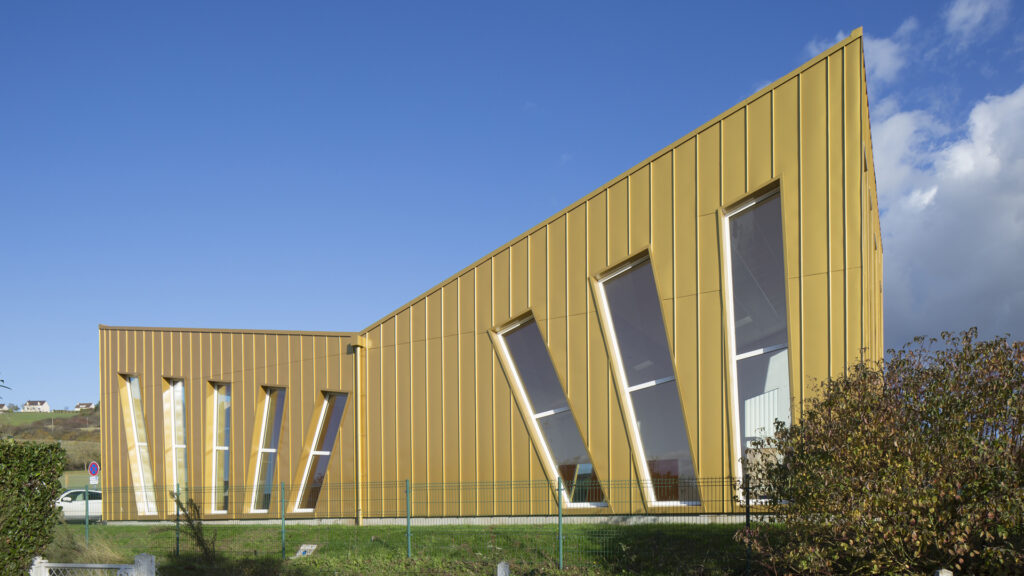
VMZINC standing seam zinc cladding systems are widely used in both façade and roofing applications. The standing seam method allows zinc panels to expand and contract freely with temperature changes, preventing stress and deformation.
This system is ideal for large façade surfaces and buildings with complex geometries. The seams create a clean, continuous appearance while ensuring structural reliability.
VMZINC systems are commonly specified for residential homes, cultural institutions, and commercial buildings where longevity and architectural quality are critical.
RHEINZINK Pre-Weathered Zinc Facade Panels
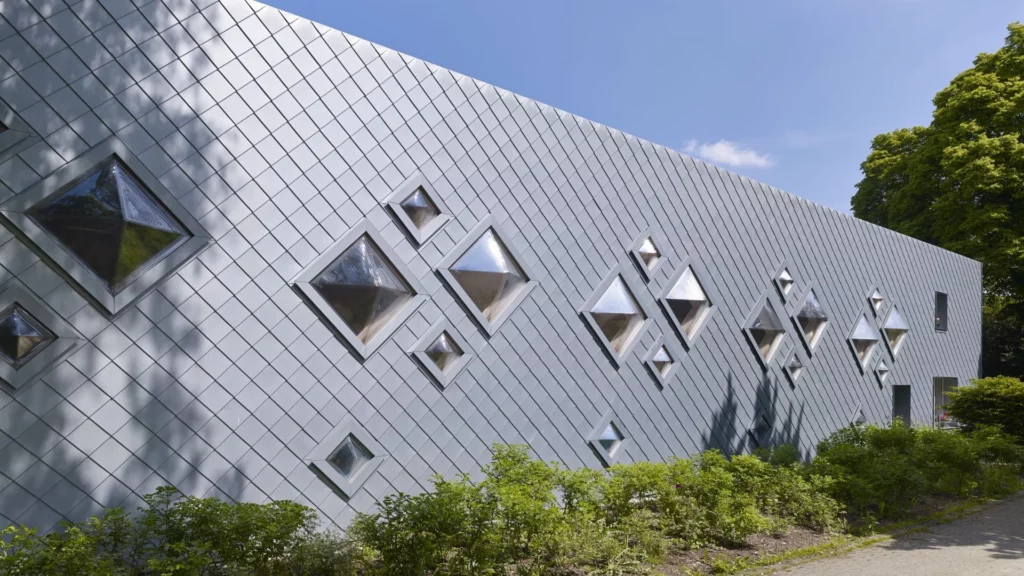
RHEINZINK pre-weathered zinc panels are manufactured to achieve a uniform appearance from the moment of installation. This eliminates the visual inconsistency that can occur during the natural patina development phase.
These panels are designed for ventilated façade systems and offer excellent resistance to corrosion, even in aggressive urban or coastal environments.
RHEINZINK systems are frequently used in educational facilities, public buildings, and premium residential developments that require predictable aesthetics and long-term performance.
NedZink Architectural Zinc Cladding Systems
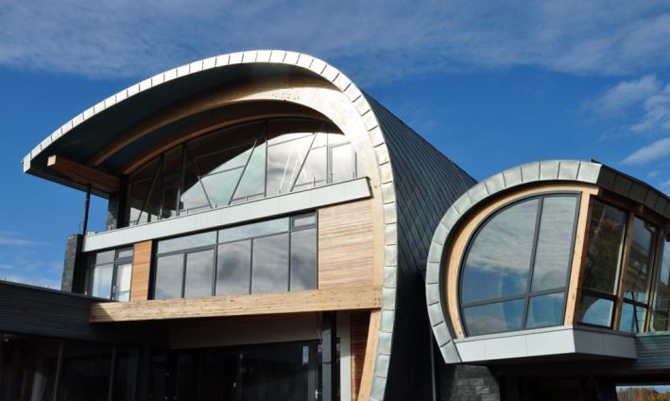
NedZink architectural zinc cladding systems are known for their flexibility and craftsmanship. The material can be shaped into curved or custom forms, making it suitable for innovative architectural designs.
The zinc alloy used in these systems provides enhanced mechanical strength while maintaining ease of fabrication. This allows architects to explore creative façade concepts without compromising durability.
NedZink systems solve challenges related to complex building shapes, long-term façade stability, and consistent material aging.
ElZinc Natural Zinc Facade Panels
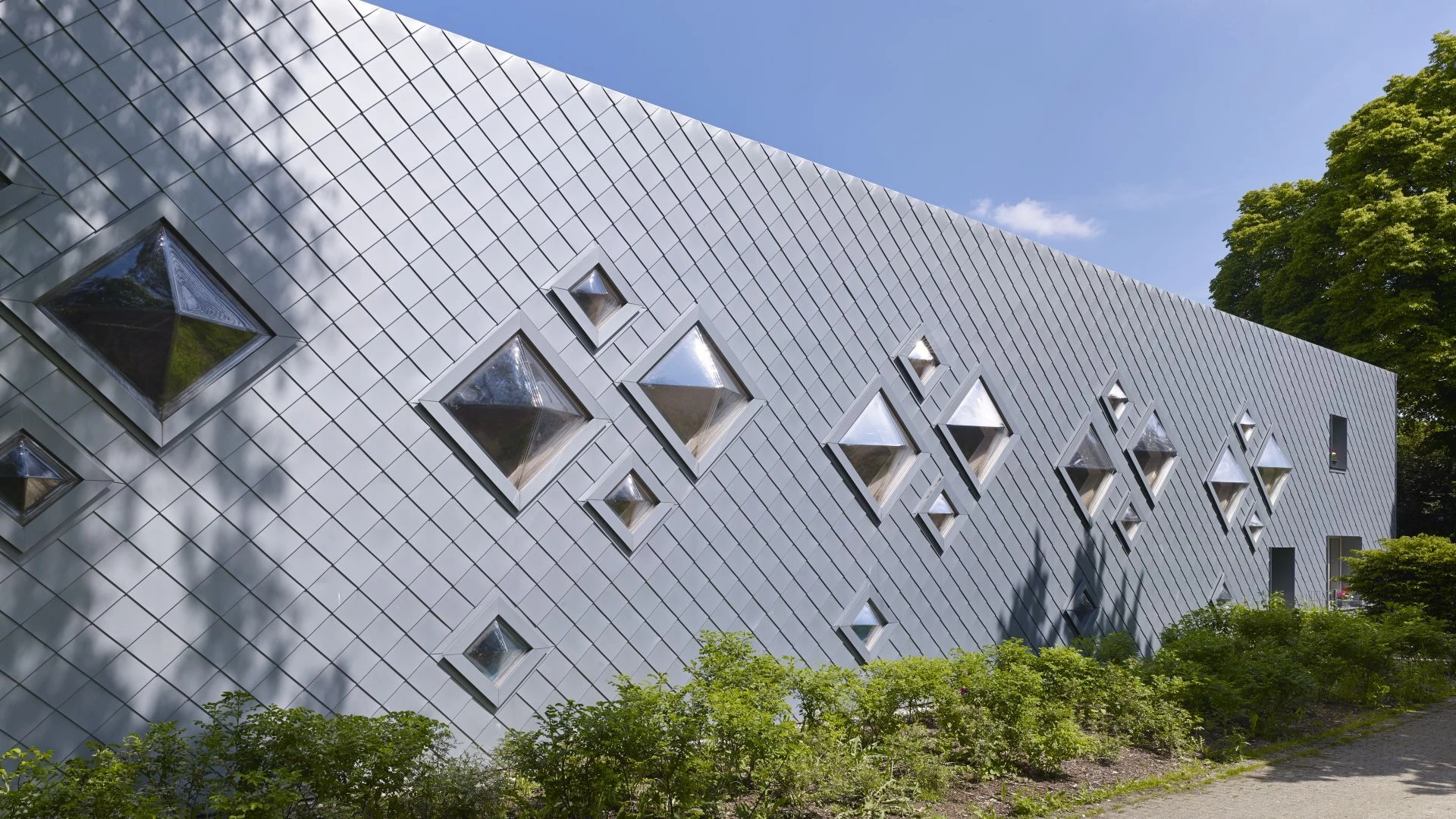
ElZinc natural zinc façade panels are designed for cassette and flat-lock cladding systems. The panels develop a natural patina over time, giving buildings a distinctive and evolving appearance.
These systems are often used in residential and commercial projects where understated elegance and material authenticity are valued.
ElZinc panels provide reliable weather protection while allowing architects to create visually calm and refined façades that age gracefully.
Zintek Titanium Zinc Cladding Systems
Zintek titanium zinc cladding systems incorporate zinc alloyed with titanium to enhance structural strength and thermal stability. This makes them suitable for large façades and buildings exposed to extreme environmental conditions.
These systems are commonly used in public infrastructure projects, transportation buildings, and large commercial developments.
Zintek systems address issues such as thermal movement, wind load resistance, and long-span façade support while maintaining zinc’s natural aesthetic qualities.
Practical Use Cases and Problems Solved by Zinc Cladding
Solving Long-Term Maintenance and Weathering Issues
Many traditional façade materials degrade over time, requiring frequent repairs and refinishing. Zinc cladding systems eliminate this problem by developing a protective patina that strengthens over time.
This makes zinc an ideal solution for buildings intended to last generations without extensive exterior maintenance. The façade remains functional and visually appealing even after decades of exposure.
This benefit is particularly valuable for public buildings, heritage projects, and high-value residential developments.
Enhancing Architectural Identity and Property Value
Zinc cladding provides a timeless architectural appearance that enhances building identity without relying on trends or artificial finishes. Its subtle texture and natural color evolution create visual depth and character.
Architects often use zinc cladding to differentiate buildings while maintaining elegance and restraint. This increases perceived quality and long-term property value.
For developers, zinc façades offer a competitive advantage in markets where durability and design quality are key decision factors.
How to Buy Architectural Zinc Cladding Systems
Choosing the Right Zinc Cladding System
Selecting the appropriate zinc cladding system depends on several factors, including building size, climate exposure, design complexity, and installation method.
Standing seam systems are ideal for large continuous surfaces, while cassette and flat-lock systems offer greater design flexibility for detailed façades. Proper detailing and ventilation design are essential to ensure long-term performance.
Consulting façade specialists or system suppliers during the design phase helps avoid installation issues and ensures compatibility between all components.
Where and How to Purchase Zinc Cladding
Architectural zinc cladding systems are typically purchased through manufacturers, authorized distributors, or specialized façade contractors. Large projects often involve custom fabrication and technical support.
Buying from professional suppliers ensures access to certified materials, installation guidance, and performance warranties. For complex projects, early supplier involvement helps optimize system design and installation efficiency.
Frequently Asked Questions
Is architectural zinc cladding suitable for residential buildings
Yes, zinc cladding is widely used in residential architecture. It offers durability, low maintenance, and a refined appearance that enhances long-term property value.
How long does an architectural zinc cladding system last
When properly installed, zinc cladding systems can last between 60 and 100 years. The natural patina protects the material and extends its service life significantly.
Is zinc cladding a cost-effective solution?
Although zinc cladding has a higher upfront cost, its long lifespan, minimal maintenance, and sustainability make it highly cost-effective over the building’s lifecycle.